Download our practical guides

Get practical and actionable insights

Let's Connect

CareMeans

Does My Father Need a Mobility Scooter? Exploring Key Benefits and Options

Understanding when and why a mobility scooter can enhance your father’s independence and safety is crucial. Discover pros, cons, and practical questions to ask suppliers on the care journey.

Published by Simon Cholmeley | June 17, 2026

Simon Cholmeley | June 17, 2026

Understanding when and why a mobility scooter can enhance your father’s independence and safety is crucial. Discover pros, cons, and practical questions to ask suppliers on the care journey.

Overview

Assessing Mobility Scooter Needs: Benefits, Considerations, and Supplier Guidance

As our parents age, mobility challenges often become a central concern. For many, maintaining independence and safety can hinge on using the right assistive devices. One of the most significant factors impacting older adults is mobility impairment, with 69% of those over State Pension age reporting mobility difficulties. This highlights why considering a mobility scooter for your father might be a pivotal step in his care journey.

Why Consider a Mobility Scooter?

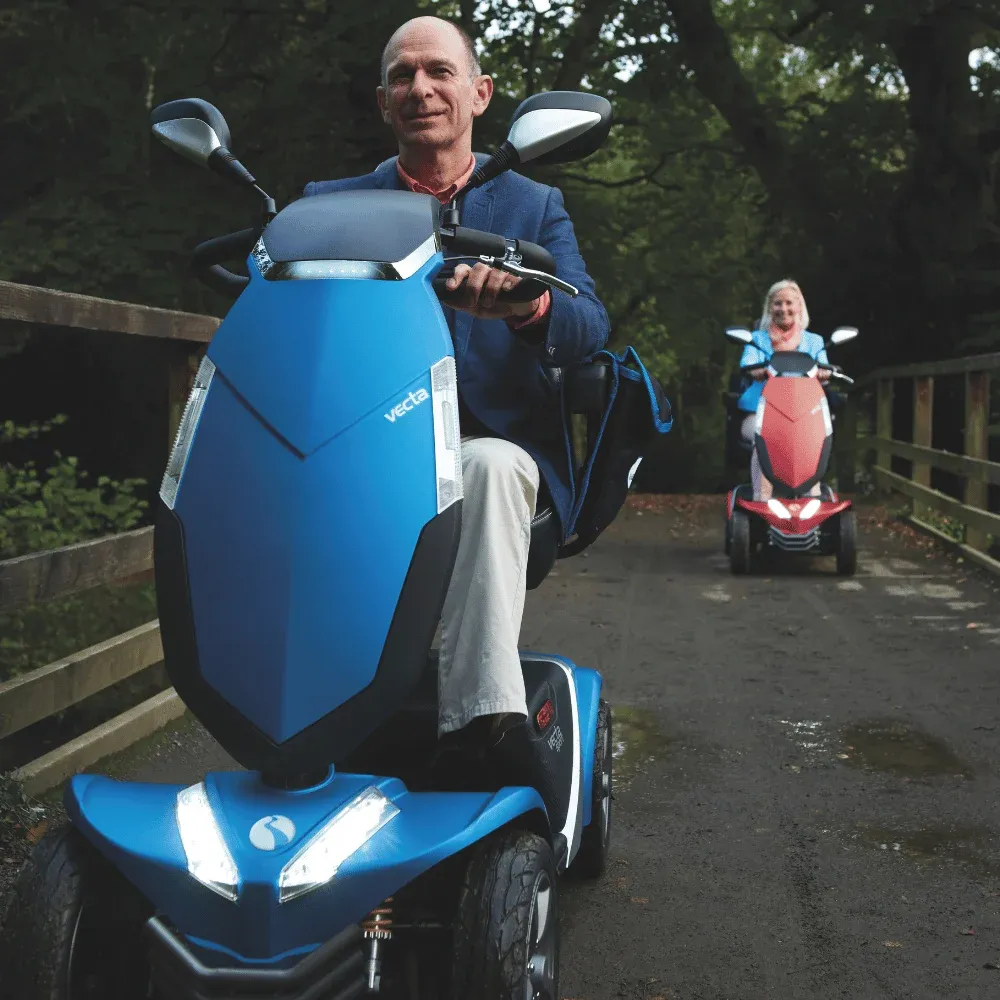
Mobility scooters offer more than just convenience; they restore freedom and confidence. For elderly individuals facing reduced stamina, balance issues, or chronic pain, scooters help maintain engagement with daily activities, social outings, and errands , supporting overall wellbeing.

Pros of Mobility Scooters:

  • Enhanced Independence: Enables your father to move freely without constant assistance.
  • Reduced Fall Risk: Offers stable support, reducing chances of falls on uneven surfaces.
  • Improved Social Interaction: Facilitates visiting family, friends, and community centers.
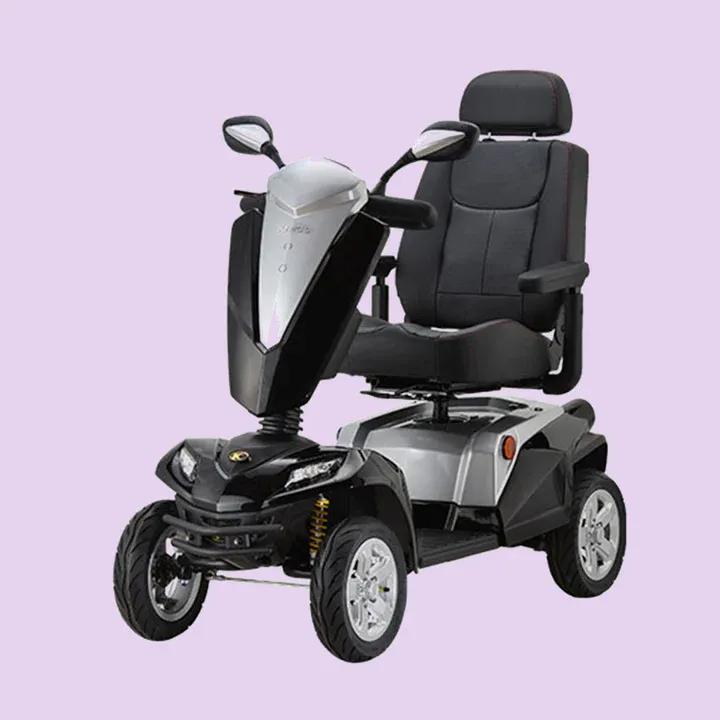
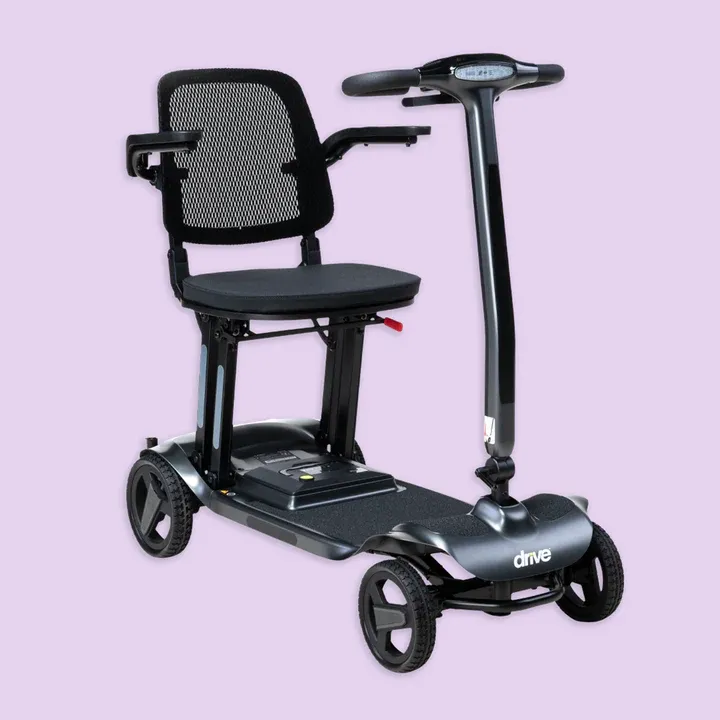
  • Customizable Options: From compact models for indoors to robust versions for outdoor terrain.
  • Ease of Use: Intuitive controls suitable even for those unfamiliar with technology.

While the drawbacks may include storage space requirements and the initial adjustment period, the benefits often far outweigh these concerns, especially when independence and safety are prioritized.

Options to Consider

When exploring mobility scooters, it's important to evaluate what suits your father’s specific needs:

  • Size and Portability: Does he need a lightweight, foldable scooter for transportation?
  • Battery Range: Consider how far he plans to travel regularly.
  • Terrain Suitability: Urban pavements versus rural paths may require different models.
  • Comfort Features: Look for adjustable seating, suspension systems, and easy controls.

Questions to Ask Mobility Scooter Suppliers

Engaging with reputable suppliers like Seacroft Mobility, Essington Mobility Cannock, or Clearwell Mobility can make a significant difference. Here are essential questions your father should consider:

  • What mobility scooter models best support his lifestyle and health conditions?
  • Can the scooter be tested in a showroom or during a trial period?
  • What aftercare services, maintenance, and warranties are provided?
  • Are there financing or insurance options available?
  • How easy is it to transport and store the scooter?

Trusted Suppliers Supporting the Care Journey

  • Seacroft Mobility Ltd focuses on simplifying life with a range of scooters and living aids designed to keep users safe and confident both indoors and outdoors.
  • Essington Mobility Cannock brings two decades of experience, offering new and used equipment including scooters and stairlifts, with locations in Walsall and Cannock.
  • Clearwell Mobility provides expert advice and aftercare services since 2004, enhancing your father’s ability to live independently through tailored mobility solutions.

Choosing whether your father needs a mobility scooter involves careful evaluation of his daily challenges, desires for independence, and lifestyle. With 69% of older adults impacted by mobility impairments, exploring scooters as a proactive solution ensures better quality of life, safer mobility, and sustained engagement in activities that matter.

The right mobility scooter combined with professional support can turn the next phase of your father’s life into one of confidence and connection, truly navigating the care journey together.

 Planning for your Care Guide

Get your home care guide

Planning for your Care Guide

Impairment Breakdown: Among those over State Pension age who report a disability, mobility is by far the most significant factor, affecting 69%.

The House of Commons Library

Understanding when and why a mobility scooter can enhance your father’s independence and safety is crucial. Discover pros, cons, and practical questions to ask suppliers on the care journey.
CareMeans logo

CareMeans

Navigating the Care Journey

Navigating the Care Journey.


Don’t Just take our word for it

  • Planning Care

    Making sure tou have the basics in place

  • Independence With Support

    Practical early help and tips to help maintain independence in the home

  • We Are your Partner

    Get comprehensive planning for you and your family.


Get your home care guide

Planning for your Care Guide

 Planning for your Care Guide
Questions
Why do I need an LPA?

You need an LPA for a number of reasons: An LPA will help protect your assets and health. Should you lose mental capacity through an accident or sudden illness, without an LPA in place, no one, not even your children or spouse, will have the legal right to manage your bank accounts, pay bills or make medical/care decisions. An LPA will also prevent the stressful and costly legal process in the Court of Protection to rectify this situation. An LPA also allows you to choose someone you trust to take care of your financial and health decisions should you lose mental capacity. It allows you to have a voice in these decisions and does not leave them to the courts, doctors, and social services. An LPA allows you to plan ahead. Accidents and illness can occur at any age, so an LPA is a sensible planning tool. You must have the mental capacity to create an LPA, so planning ahead is crucial.

What is Nursing care?

Nursing care offers around-the-clock (24-hour) medical and personal support provided by registered nurses and specially trained care assistants for people with complex, chronic or rehabilitative requirements. Nursing care helps manage long-term conditions including assistance with medication management and providing clinical care. Nursing care can be administered in a nursing home or at home. As conditions and needs change, many residents of residential care homes will need to move into a nursing home for more complex care.

What is home care?

need to split between hourly and 24 hour


Explore more home care


Practical Care Solutions to Help Loved Ones Stay Safely at Home Longer

Practical Care Solutions to Help Loved Ones Stay Safely at Home Longer

Understanding the Cost of Home Care Adaptations for Older Adults

Understanding the Cost of Home Care Adaptations for Older Adults

Care and Home-Care: Identifying When It’s Time to Ask for Help

Care and Home-Care: Identifying When It’s Time to Ask for Help

Does My Father Need a Mobility Scooter? Exploring Key Benefits and Options

Does My Father Need a Mobility Scooter? Exploring Key Benefits and Options

Navigating the Care Journey.