.png)
Caring for ageing parents or elderly loved ones involves addressing one critical area of safety: the bathroom. In the UK, over 60,000 hospital admissions annually result from falls in the home, with a significant portion occurring in the bathroom, a space that combines slippery surfaces and limited support. For adults aged 45-70 caring for parents, as well as seniors aged 70-90, understanding and implementing effective bathroom safety measures can greatly reduce the risk of injury and promote well-being.
Affordable Safety Solutions for Immediate Impact
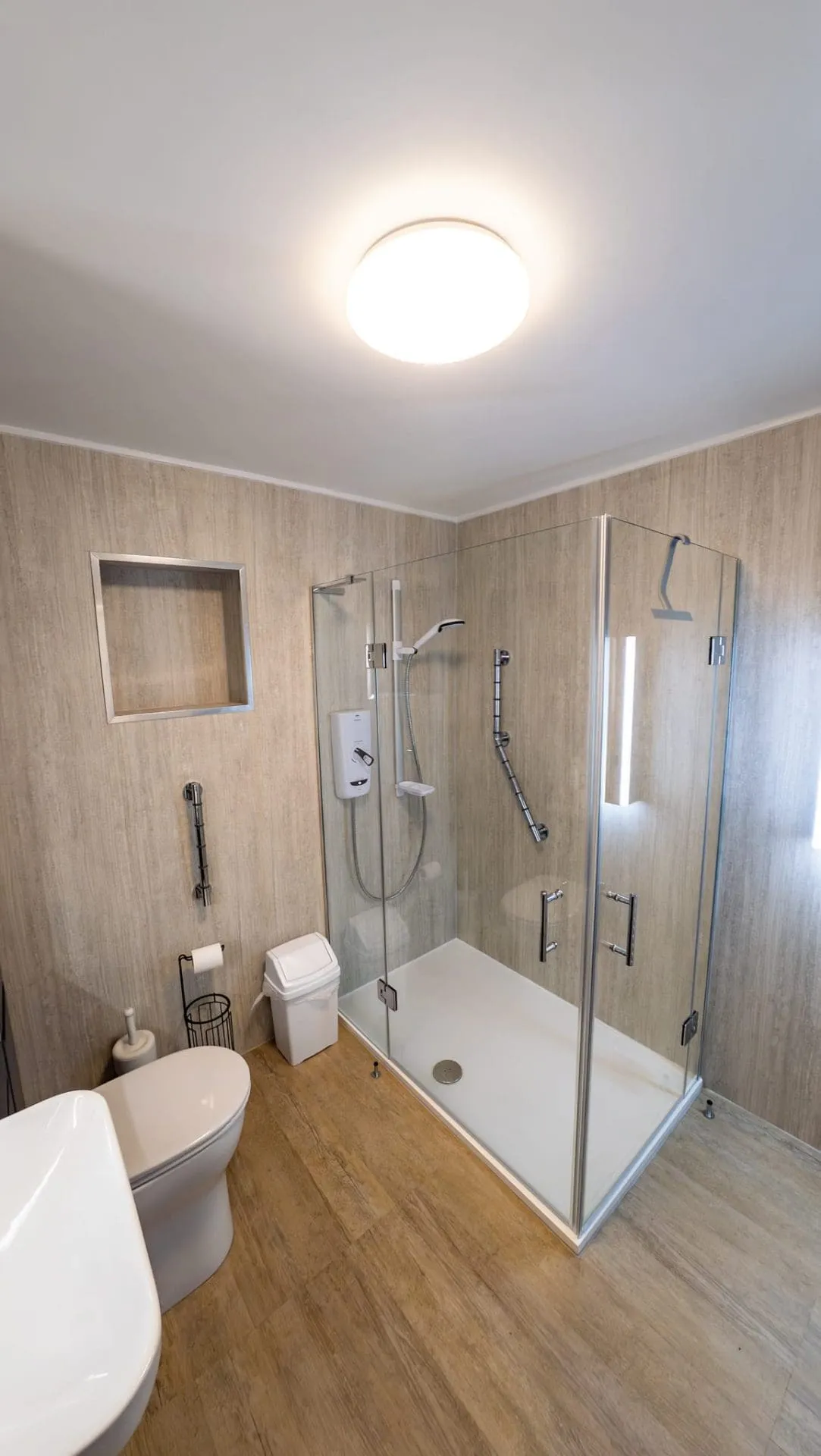
Before undertaking more extensive renovations, simple and cost-effective adaptations can markedly improve bathroom safety. Installing non-slip mats reduces the risk of slips on wet floors, while strategically placed grab rails provide essential support for standing and moving safely. Another frequent hazard is poor visibility; upgrading to enhanced lighting fixtures creates a brighter environment, helping seniors navigate the space confidently.
These modest investments are often overlooked but play a crucial role in daily safety.
Modern Comfort: Easy Access Toilets and Walk-in Showers
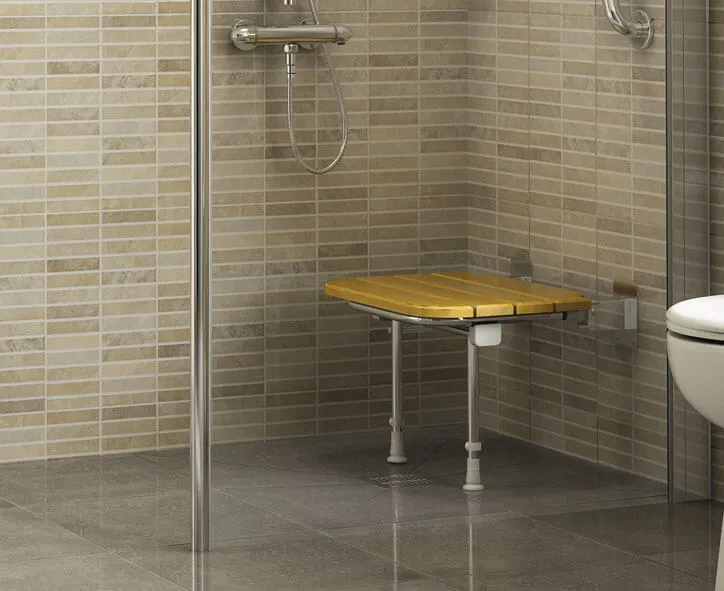
For those seeking to elevate comfort and accessibility, products such as easy sit toilets offer ergonomic designs that minimise strain and facilitate safe use. Walk-in showers eliminate high thresholds, allowing for easy entry and exit, which is particularly suited for individuals with reduced mobility.
Love Mobility specialises in these modern adaptations, providing a wide range of walk-in showers and wetrooms tailored explicitly for the elderly. Their designs balance functionality with a contemporary aesthetic, contributing to a safer and more enjoyable bathroom experience.
Full Bathroom Conversions for Long-Term Independence
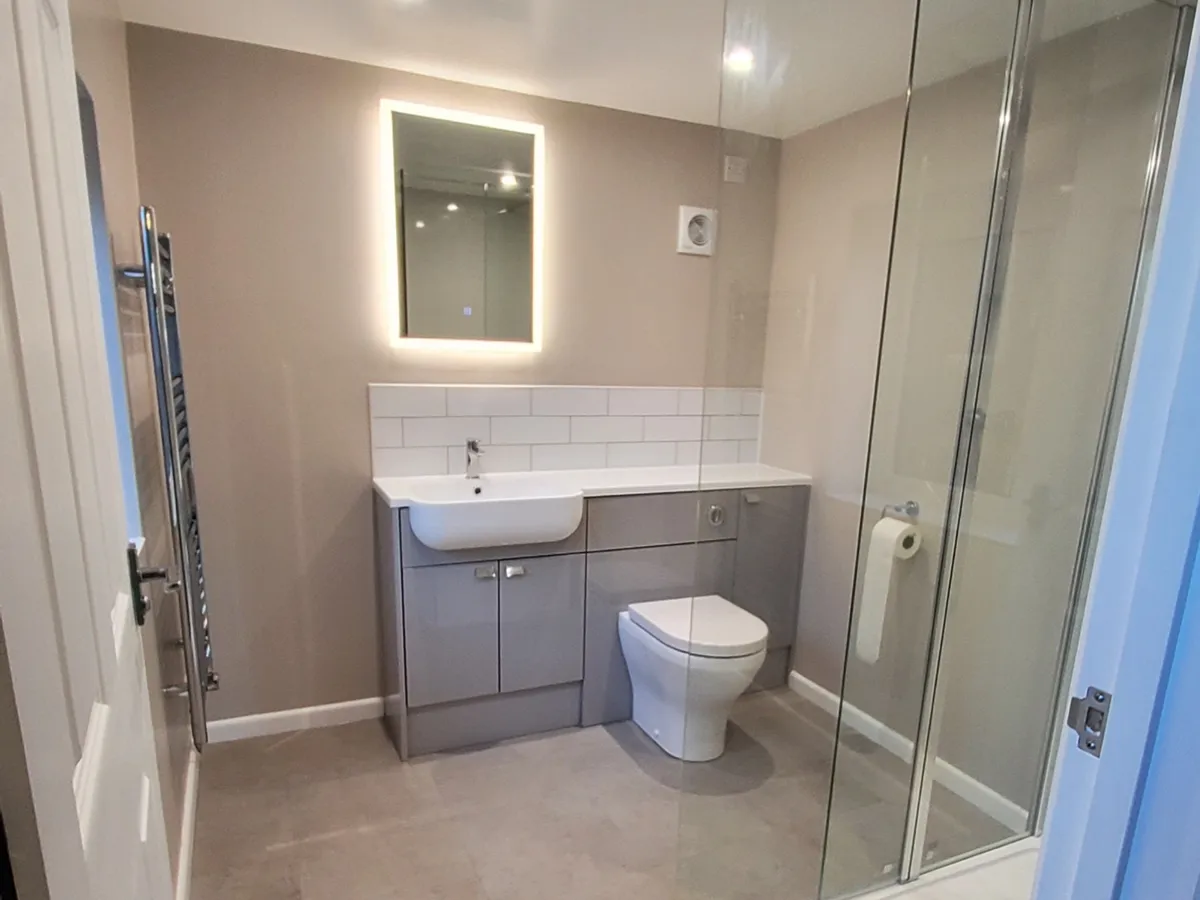
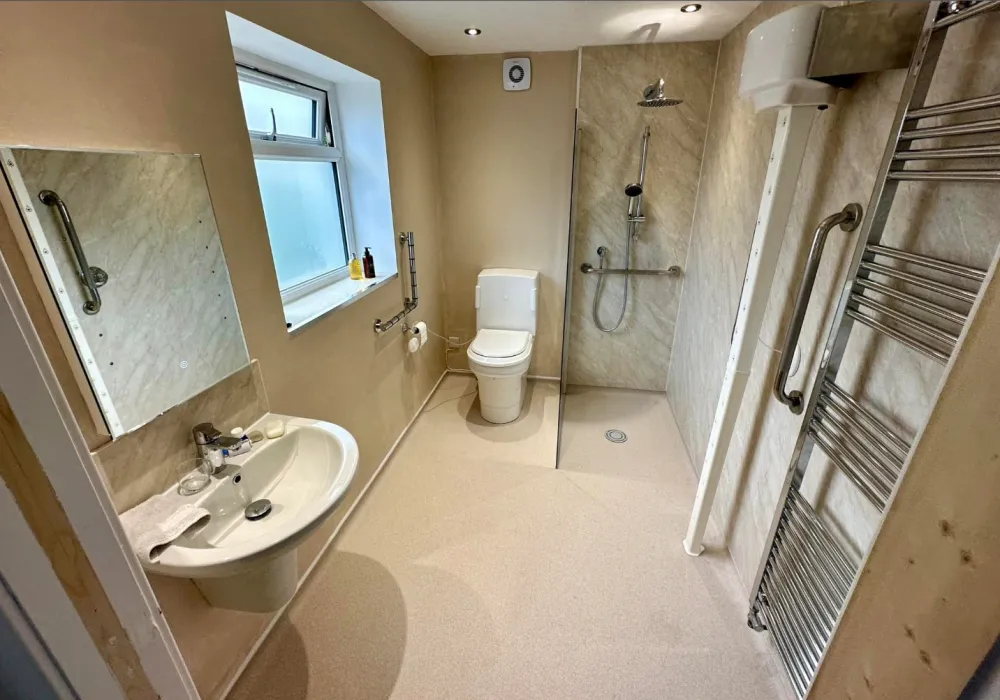
When basic adjustments are insufficient, full bathroom conversions deliver comprehensive solutions. Companies like Shropshire Bathrooms and Milne Installations cater to diverse styles, from classic to luxury, and specialise in adaptations that prioritise both safety and comfort. Wet rooms, lowered sinks, adjustable shower heads, and barrier-free layouts are integrated thoughtfully to create an accessible environment.
Though these conversions represent a larger financial investment, their benefits extend beyond immediate safety. Enabling elders to remain in their familiar home setting supports better mental health, preserves independence, and delays the need for residential care.
Financial Assistance and Grants
To alleviate the cost of bathroom adaptations, various grants and funding options are available across the UK. These may cover part or all of the expenses associated with safety modifications and full conversions. Families are encouraged to consult with local councils or healthcare providers to explore eligibility.
Balancing Cost and Care
While the upfront expenses for extensive bathroom adaptations can be considerable, they pale in comparison to the cost of relocating an elderly person into residential care, both financially and emotionally. Investing in bathroom safety preserves dignity, promotes physical health, and enables seniors to enjoy their own homes longer.
For those navigating this care journey, starting with simple adjustments and progressing toward comprehensive solutions ensures that the bathroom remains a safe haven.
References and Further Reading
For additional guidance on home adaptations and financial support, visit the NHS resource page on home adaptations.