.png)
Independence Doesn't Mean Doing Everything Alone
Maintaining independence at home is a shared journey, not a solo mission. For adults aged 45-70 with ageing parents and elderly individuals aged 70-90, recognising when support is needed is the first vital step to preserving safety and confidence.
Recognising the Early Signs
Subtle changes in mobility, balance, or daily routines often indicate the need for timely interventions. Families frequently find that implementing relatively small adjustments significantly enhances safety and prolongs independence.
Small Changes Can Make a Big Difference
Simple home modifications such as installing grab rails, replacing bathtubs with walk-in showers, improving lighting, and removing trip hazards can transform living spaces. Introducing personal alarm systems and mobility aids from trusted suppliers like Clearwell Mobility and Adapt A Home offers additional layers of security and assistance. Regular home care visits further support wellbeing and daily living activities.
Understanding Funding, Grants, and Financial Support
A common concern is how to afford necessary adaptations and services. Fortunately, funding avenues exist through local authorities, NHS programs, and government grants. Support may include Disabled Facilities Grants (DFGs), council tax reductions, Attendance Allowance, and access to community resources. However, navigating this financial landscape can be confusing. Each locality has distinct eligibility criteria and application procedures. Early guidance helps families avoid unnecessary expenses and access subsidies for equipment from providers like Age UK Trading, mobility solutions, or home care support.
At Care Means, we provide educational resources to clarify:
- What support and assessments may apply
- How funding impacts care decisions
- Where to find trustworthy advice
Understanding the Support Available
Support encompasses:
- Home Adaptations: Tailored changes to improve accessibility and reduce hazards
- Mobility Equipment: Devices that facilitate movement and everyday tasks
- Home Care Services: Professional assistance for personal care, medication management, and companionship
- Community Engagement: Services that combat loneliness and foster social connections
- Specialist Support: Help for dementia, mobility challenges, and chronic conditions Early knowledge of these options empowers families to plan proactively rather than reactively.
Supporting the Whole Family: The Care Means Approach
We guide families through recognising early needs and exploring solutions that enhance independence now while preparing for future requirements. This holistic approach includes advice on:
- Home safety and adaptation
- Mobility aids selection
- Accessing grants and benefits
- Coordinating with local authority and NHS services
Information When You Need It. Support When You Want It.
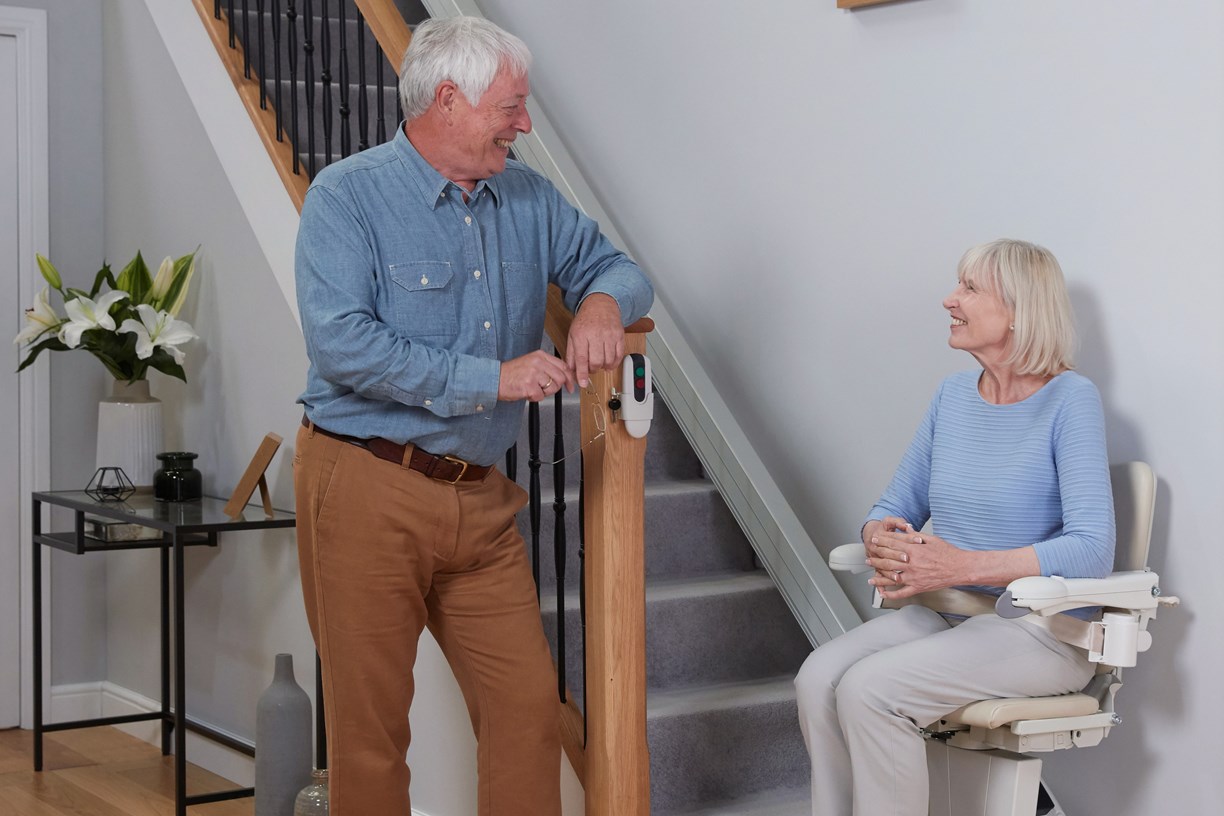
Navigating the complexities of home care and maintaining independence requires accessible information and trusted partnerships. From expert advice to product recommendations,including mobility equipment from Clearwell Mobility, patient handling aids from Adapt A Home, and stairlifts through Age UK Trading,families are equipped to make informed, confident choices.
Next Steps
To begin the care journey:
- Download our Home Safety Checklist
- Review the Signs Support May Be Needed Guide
- Explore the Home Adaptations Guide
- Compare Home Care vs Residential Care options
- Use the Care Options Navigator
At Care Means, we are committed to supporting your family’s journey towards safe, happy, and independent living. Our educational focus and resource connections make tackling home care challenges manageable and empowering.