.png)

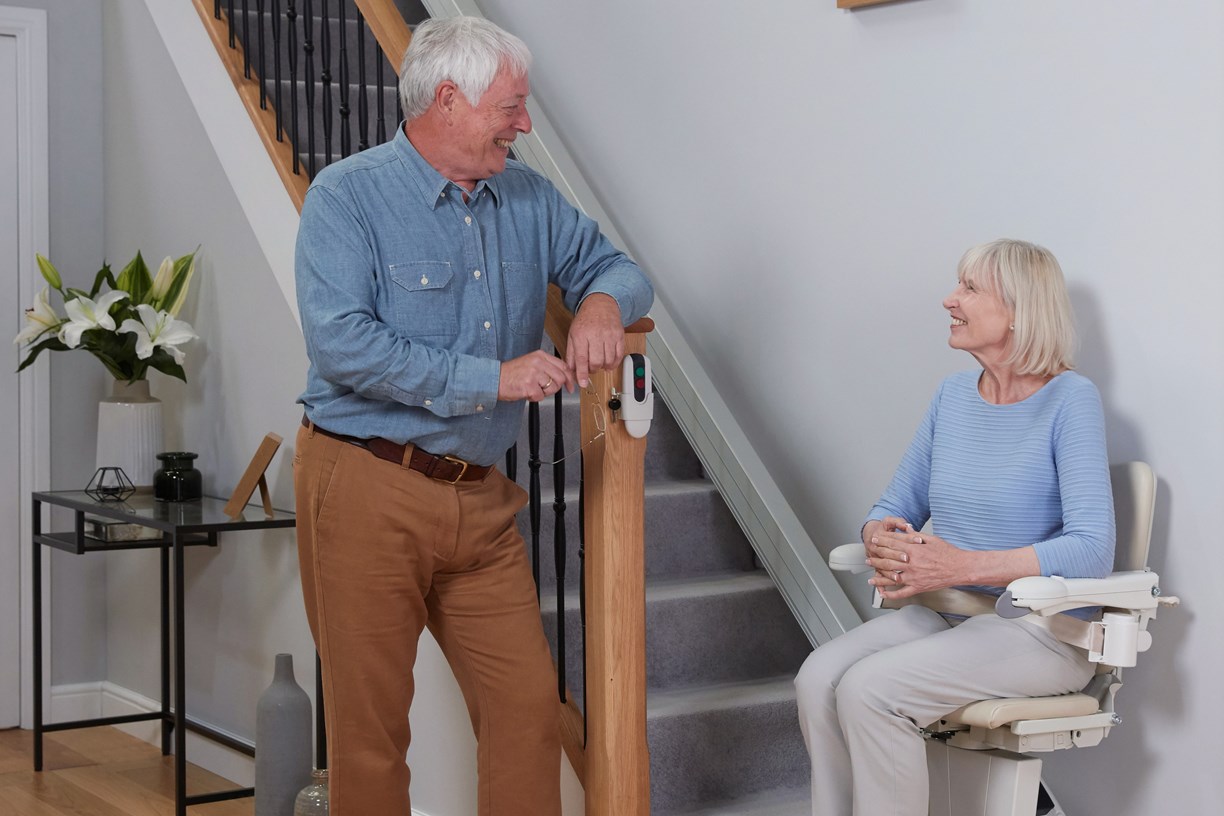
When considering home-care solutions to maintain mobility and independence, a common and practical option is installing a stairlift. For many elderly individuals and their families, understanding the cost implications of stairlifts is an essential step in planning a safe living environment. This guide will break down the various factors that affect stairlift costs, the average prices to expect, and the financial help available, ensuring you make an informed decision aligned with your care journey.
What Influences Stairlift Cost?
The price of a stairlift can vary widely depending on several factors, including the stairlift type, model condition, customisation features, and installation specifics.
Straight vs Curved Stairlifts
Straight stairlifts, designed for stairs without bends or landings, tend to cost significantly less than curved models due to their simpler installation.
- Straight stairlift average cost: typically between £1,800 and £4,000.
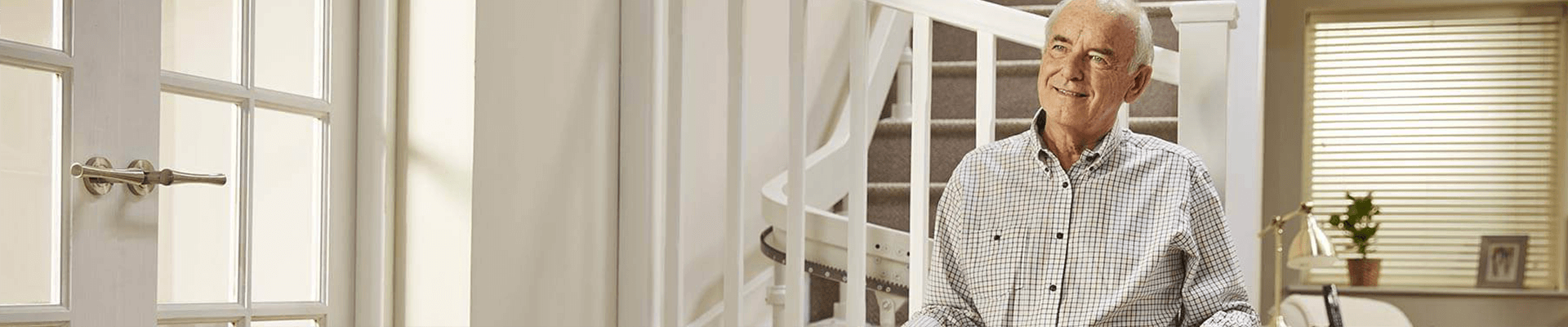
- Curved stairlift average cost: can range from £5,000 up to £12,000 or more, depending on the complexity of the staircase curve.
New Models vs Reconditioned Units
Choosing between a brand-new stairlift and a reconditioned model impacts the price.
- New stairlifts come with the latest technology, warranties, and customization, usually at the higher end of the price spectrum.
- Reconditioned stairlifts offer a more affordable option, providing essential functions with some trade-offs on warranty and features.
Maintenance and Aftercare
Included maintenance plans and warranty coverage affect overall value. Some providers, like Aspire Stairlifts Ltd, emphasize reliability and aftercare, which can be crucial for long-term peace of mind.
Advanced Features Affecting Cost
Additional functionalities contribute to pricing:
- Power Swiveled Seat: Facilitates easier, safer exit and entry to the lift seat; adds around £300 to £600.
- Power Hinged Rail: Allows the rail to fold away electrically, saving space on narrow staircases; typically adds £500 to £900.
Each feature enhances usability and safety, important considerations in eldercare environments where fall prevention and ease of movement are vital, as highlighted in the comprehensive home safety guide ("Guide 2: Safety in the Home").
Providers such as Age UK Trading and Yorkshire Stairlifts Limited offer tailored solutions that balance affordability and quality.
Financial Assistance Through Disabled Facilities Grant (DFG)
The Disabled Facilities Grant (DFG) is a government-funded scheme available in England, Wales, and Northern Ireland designed to help cover essential home adaptations, including stairlifts.
- Grant Amount: Up to £30,000 in England, £36,000 in Wales, and £25,000 in Northern Ireland.
- Eligibility: Based on assessed needs, income, and local authority guidelines.
Applying for a DFG can substantially reduce out-of-pocket costs. More importantly, investing in stairlifts and home modifications supports independence, enabling older adults to stay in the comfort of their own homes. This often offsets the costs and emotional impact associated with moving to assisted living or residential care facilities.
Integrating Stairlifts with Home Safety
Beyond stairlifts, the broader context of home safety modifications includes installing grab bars, non-slip mats, improved lighting, and clear walkways, as detailed in our safety guide. Combining these measures creates a holistic environment that minimizes fall risk, the leading cause of injury among older adults, and promotes confidence in daily activities.
Expert Assessments and Support
Occupational therapists and local authority care teams can conduct assessments to identify specific mobility challenges and recommend appropriate adaptations, including stairlift specifications. This ensures the solution aligns perfectly with the individual’s needs.
Conclusion
Choosing a stairlift is an impactful decision that enhances home-care capabilities and preserves autonomy for older adults. Understanding the cost factors, exploring advanced features, and seeking available financial assistance, such as the Disabled Facilities Grant, empowers you and your loved ones to navigate the care journey thoughtfully and securely. Trusted providers like Aspire Stairlifts Ltd, Age UK Trading, and Yorkshire Stairlifts Ltd offer expert guidance and quality installations that prioritize safety and comfort.
Disclaimer: Stairlift costs vary based on location, customization, and provider. The prices provided are approximate averages as of 2025 and should be verified with individual suppliers. Eligibility and availability of grants depend on regional regulations and individual circumstances.