.png)

Caring for ageing parents or supporting elderly individuals requires thoughtful decisions, especially when it comes to choosing a care home. With numerous options available, understanding what to consider can help families and seniors find a setting that promotes wellbeing, dignity, and independence.
Location and Environment
A care home's location significantly impacts both residents and their families. Ideally, it should offer easy access for regular visits, helping maintain family bonds and involvement in daily life. Stowe Mount Care Home, for example, is perfectly situated on the edge of Lichfield, offering a peaceful residential neighbourhood close to the city centre, which ensures tranquillity without isolation.
Moreover, the environment should provide a welcoming, calm atmosphere with modern and thoughtfully designed living spaces. Such surroundings contribute positively to the mental and emotional health of those living in care homes.
Quality of Care and Staff Expertise
Evaluating the level of care and professionalism offered is vital. A competent, compassionate staff ensures that residents receive personalised attention tailored to their health needs. Visiting prospective homes to meet the caregivers and observe their interaction with residents can provide valuable insight.
Facilities and Accessibility
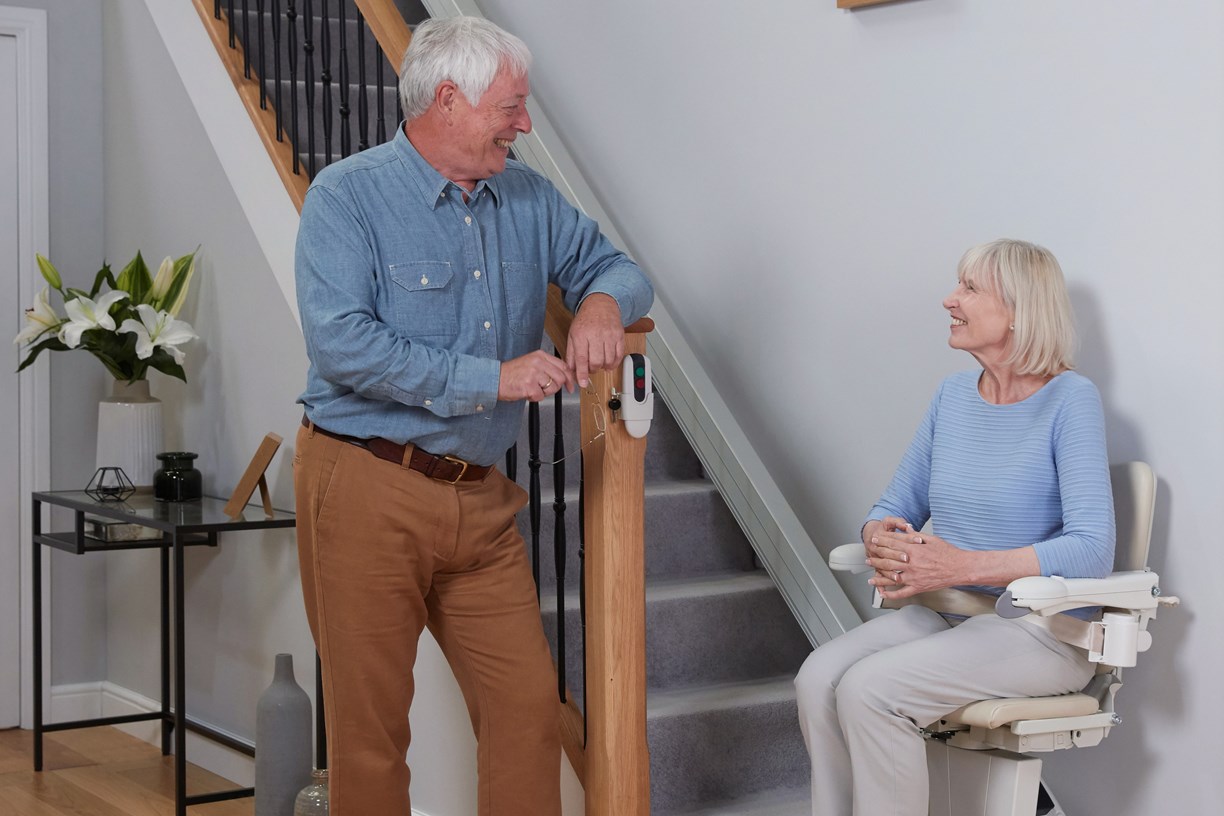
Care homes must accommodate varying levels of mobility and independence. Facilities should be equipped to support residents with physical challenges safely. Mobility aids and adaptive equipment are integral to this aspect. Providers like Clearwell Mobility and Adapt A Home supply reliable mobility and home healthcare products, which many care homes integrate to enhance residents' comfort and autonomy.
Clearwell Mobility has been a trusted UK supplier since 2004, offering expert advice and equipment that promotes safer, more independent living. Adapt A Home complements this with high-quality patient moving and handling equipment and swift installations, ideal for individuals with limited mobility.
Social Activities and Community Engagement
Opportunities for social interaction and stimulating activities are essential in preventing loneliness and sustaining cognitive health. Prospective care homes should provide varied programs that encourage participation according to the residents' abilities and interests.
Transparency and Communication
Open communication channels between the care home staff and families are crucial. Transparency about care plans, routines, and any changes ensures families remain informed and involved, fostering trust and confidence.
Costs and Contract Terms
Understanding the costs involved, what they cover, and the terms of residency is necessary to avoid unexpected expenses. It's beneficial to compare options and determine which services are included and which might require additional fees.
Conclusion
Choosing the best care home is a multifaceted decision that blends practical considerations with emotional reassurance. By focusing on location, quality of care, facility accessibility, social opportunities, clear communication, and costs, families can find a home that respects and supports their loved ones.
In this journey, leveraging suppliers like Clearwell Mobility and Adapt A Home can enhance the care experience by providing essential equipment that facilitates independence and safety. Similarly, selecting care homes such as Stowe Mount Care Home, which balances accessibility with a serene living environment, can offer peace of mind and comfort.
Navigating the care journey with informed choices empowers families and elderly individuals to embrace this chapter with confidence and compassion.