.png)
When faced with the challenging journey of selecting a dementia care home for a loved one in Cheshire, understanding the nuances of dementia symptoms and care requirements is essential. Whether you are aged 45 to 70 caring for ageing parents or an elderly individual seeking support for yourself, knowing where to start can bring reassurance and clarity.
Recognising Dementia Symptoms and the Importance of Professional Assessment
Dementia manifests in various ways, from memory loss and confusion to changes in behaviour and communication difficulties. Observing these symptoms early is vital, but equally important is obtaining a professional assessment. A specialist evaluation not only confirms the diagnosis but also defines the specific type and severity of dementia, guiding tailored care plans. This assessment is a critical step before exploring care home options, ensuring that services align precisely with your loved one’s evolving needs.
Matching Care Needs with the Right Provider
Once needs are understood, the next step is to evaluate care homes that specialise in dementia within Cheshire. It is essential to shortlist facilities with proven expertise and bespoke programs designed for dementia patients. Asking targeted questions can uncover whether a care home is equipped to deliver the highest standard of care:
- Experience and Staff Training: Does the home employ trained dementia care specialists? Are ongoing professional development and dementia-specific qualifications a priority?
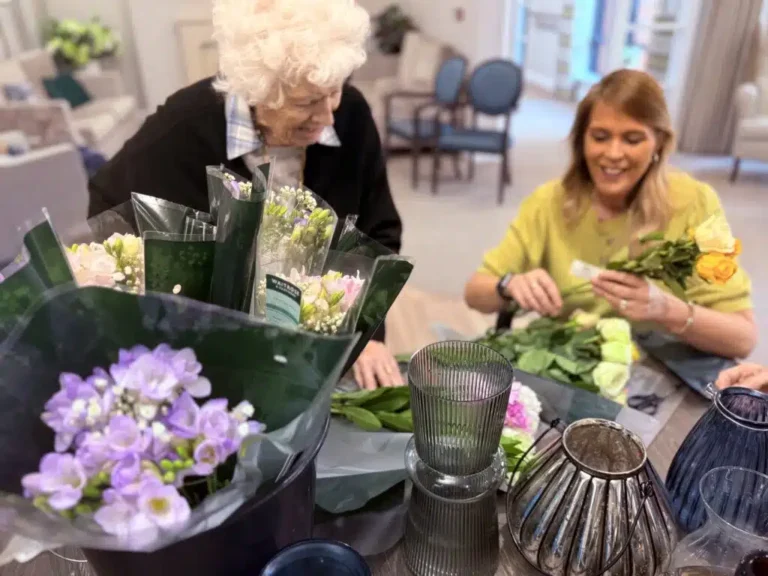
- Daily Routines and Therapeutic Programs: What activities and engagement strategies are in place to promote cognitive stimulation and emotional wellbeing?
- Progression Management: How does the home adapt care plans as dementia stages progress, ensuring comfort and appropriate support?
Spotlight on Leading Cheshire Dementia Care Homes
Consider these specialised choices:
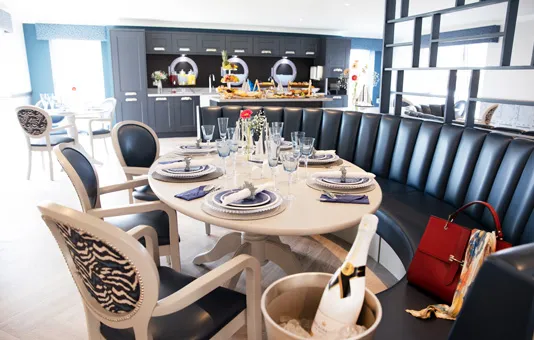
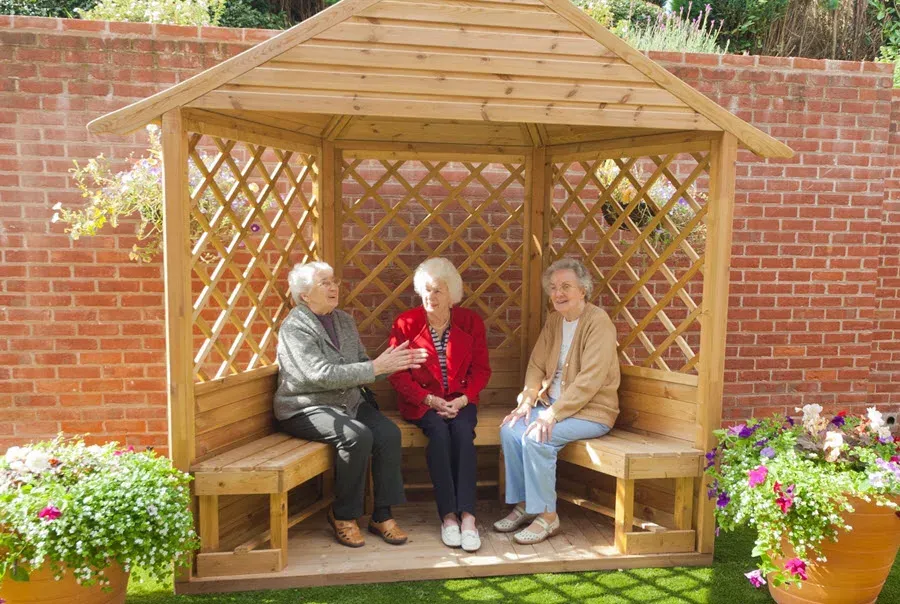
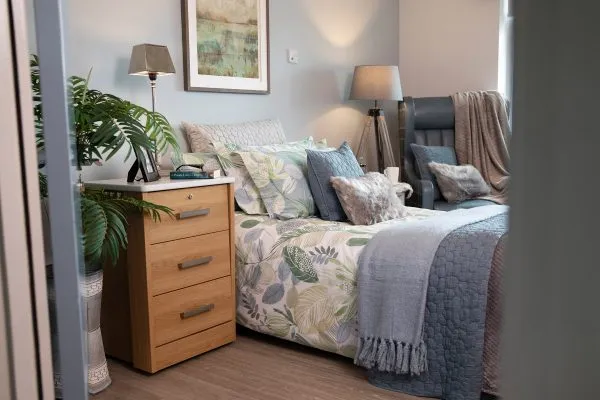
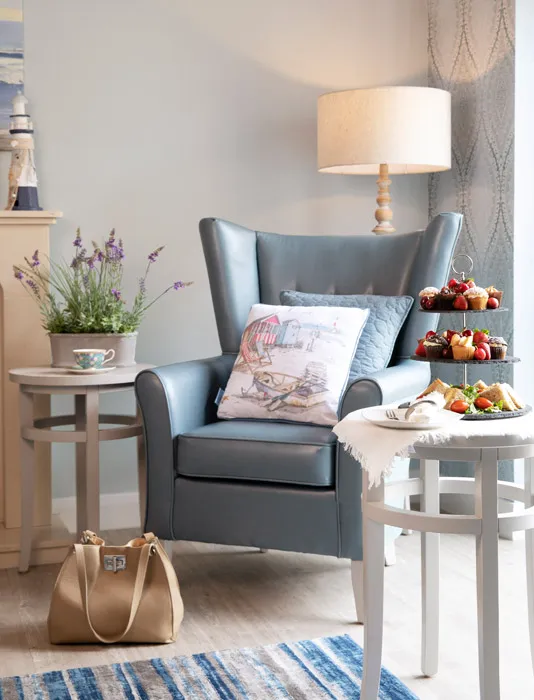
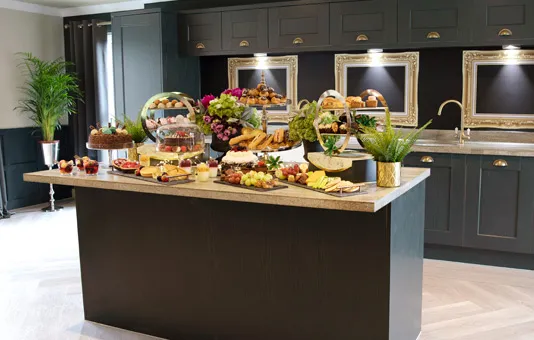
Kitwood House A next-generation dementia care home, Kitwood House is purpose-built to feel like a warm and happy home. It specialises in managing complex dementia cases with bespoke facilities for 68 residents. Its focus on fun, cognitive engagement, and personalised care exemplify best practices in dementia support.
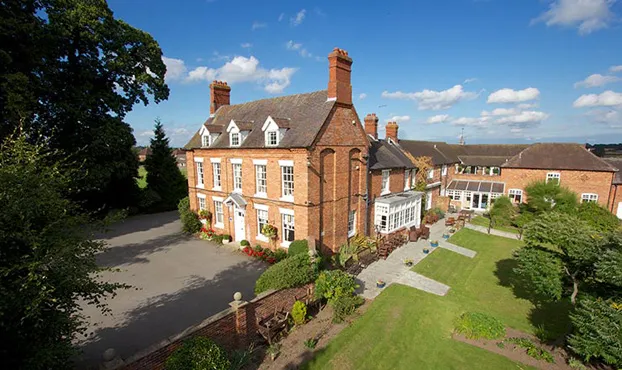
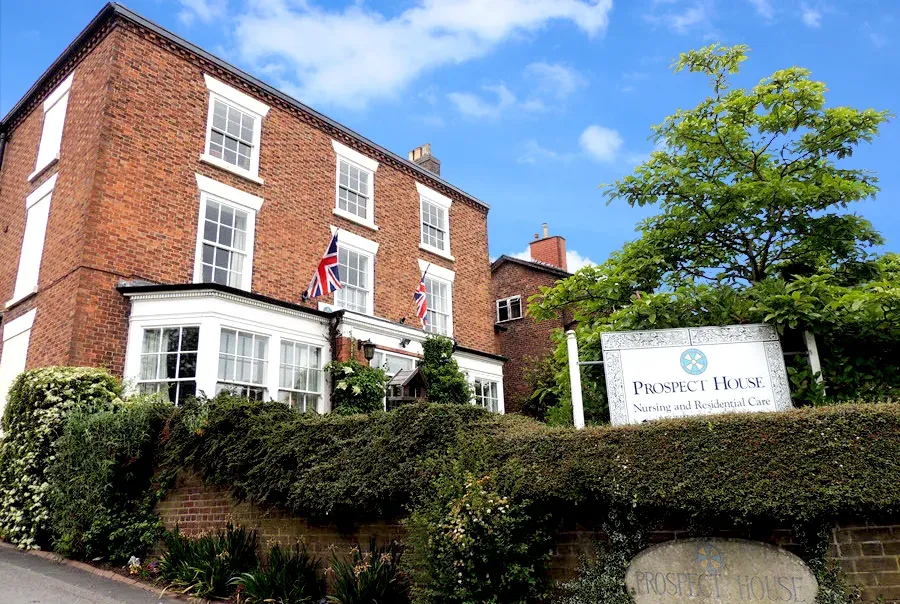
Prospect House Care Home Nestled in Malpas village, Prospect House offers a beautifully restored Georgian residence with a wide range of care options, including specialist dementia care. The home’s dedicated team emphasises personalised treatments and short-term respite care, providing flexibility along the dementia care journey.
Gainsborough House Located near Warrington’s centre, Gainsborough House specialises in dementia nursing, complex dementia (CDBU), and mental health care. The facility champions one-to-one care, integrating mind and memory stimulation with physical activity tailored to resident needs.
Final Thoughts on Dementia Care Home Selection in Cheshire
Choosing the right dementia care home involves thoughtful consideration of professional assessments, in-depth inquiries, and understanding how care adapts over time. By evaluating homes like Kitwood House, Prospect House Care Home, and Gainsborough House against the specific needs of your loved one, you can navigate this journey with confidence and compassion. This approach ensures that your family member or yourself receives the dignified, expert care that dementia requires.
For additional guidance, helpful resources include Dementia UK’s "Considering a Care Home" and the Alzheimer's Society’s "Selecting and Moving into a New Care Home" guides, providing detailed insights to support your decision-making process.