.png)
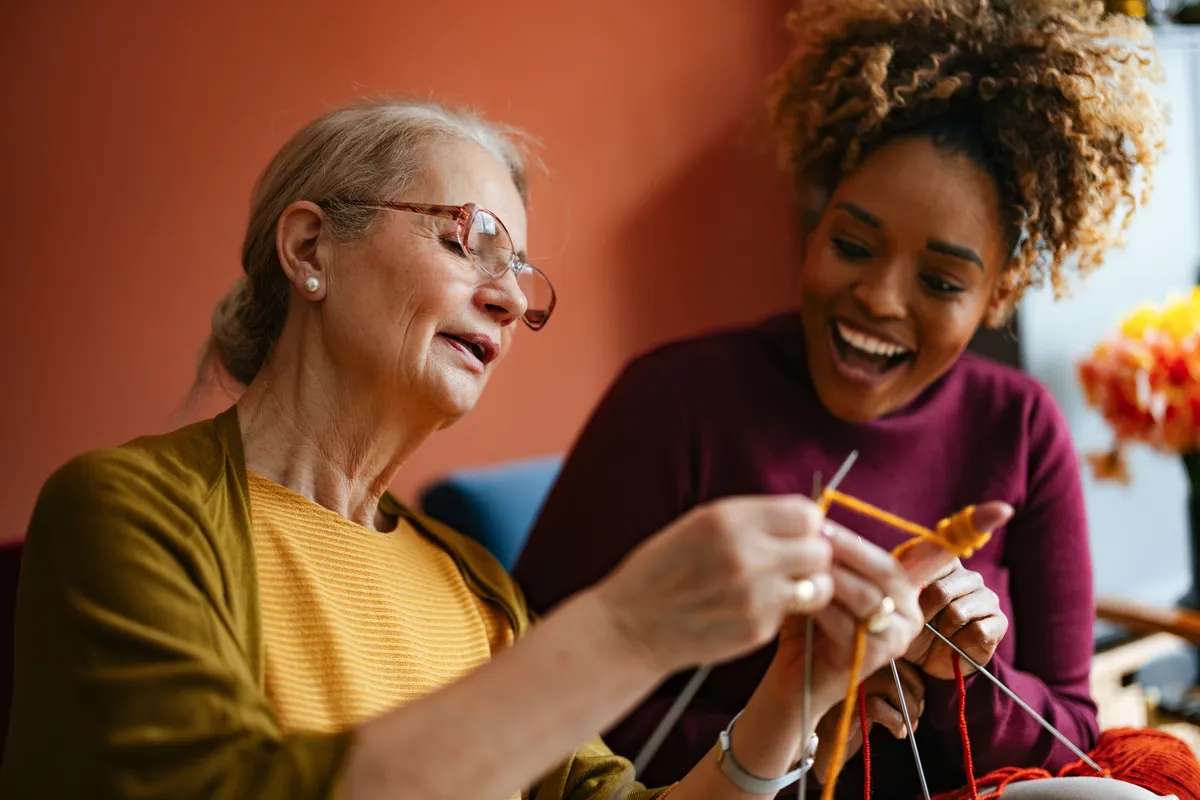
Caring for an ageing mum is a deeply personal journey, especially if you’ve been her primary carer for some time. Handing over care responsibilities to someone else can feel daunting. You naturally want to be sure that home care services will provide a safe, supportive environment so your mum can remain comfortable and independent in the place she loves.
When considering home care, the safety and well-being of your mum is paramount. The good news is that for many, home care is a viable and safe option. The CareMeans Home Care Readiness Checklist outlines important indicators that can help you evaluate if your mum is well-suited to receive care at home. Let’s explore the two prevailing schools of thought on this.
When Home Care Generally Is Safe:
- Stable Conditions: Your mum manages most routine daily tasks independently or needs only minor help or supervision, such as washing and dressing.
- Low Medical Complexity: Her needs are limited to assistance with light housekeeping, meal preparation, medication prompting, or hygiene.
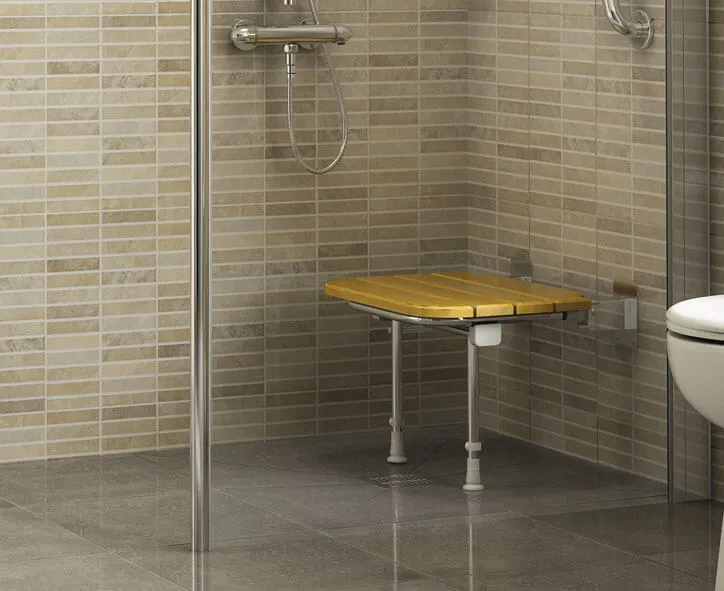
- Physical Adaptations at Home: Safety features like grab rails, stairlifts, or personal fall-detection alarms are installed, reducing risk.
- Manageable Visit Frequency: Scheduled hourly visits, typically 1 to 4 times daily, cover periods of highest risk and ensure consistent support.
These factors align with many positive experiences reported by families working with professional home care providers such as Novus Care, which boasts over a decade of expertise delivering award-winning, compassionate in-home care nationwide. Similarly, North Shropshire Homecare and SureCare Shropshire tailor their care plans to individual needs, making home care both safe and personalized.
When Home Care Might Not Be Safe Enough:
- Advanced Cognitive Decline: Severe dementia with wandering tendencies or behavioral changes often requires continuous monitoring not feasible with periodic visits. Dementia Support Forums emphasize that unmonitored home care can jeopardize safety for both the individual and their family.
- High Fall or Medical Risk: Frequent unexplained falls, night wandering, or complex medical conditions needing intensive nursing care surpass what visiting carers can manage safely.
- Carer Burnout: If family members are providing ongoing backup without adequate relief, exhaustion may increase the risk of accidents or lapses in care.
In cases where several warning signs exist, options like live-in care or residential facilities might offer better safety and support.
The Importance of a Professional Care Needs Assessment Before deciding on home care, it is critical to have a thorough care needs assessment conducted by health and social care professionals. This allows tailored care planning that addresses your mum’s unique physical, medical, and emotional needs, ensuring safety and quality of life.
Resources from NHS and Age UK further affirm that effective home care can promote independence, comfort, and dignity when properly matched to an individual’s condition and circumstances.
How to Proceed: Personalized Action Plan Using a tool like the CareMeans Home Care Readiness Checklist can help you identify areas where your mum might need additional support, whether with daily tasks, medication management, or social engagement. From there, services such as Novus Care’s trained carers or New Age Care’s specialist support can step in to provide companionship, personal care, or respite, alleviating pressure on family carers.
Final Thoughts Deciding if home care is safe for your mum involves honest evaluation and expert guidance. While many older adults thrive with tailored, hourly home care, some situations require more intensive or different care solutions. Consulting with healthcare professionals and exploring trusted home care providers ensures your loved one receives the safest, most appropriate care possible.
,
Disclaimer: This article is for informational purposes only and does not substitute for professional medical advice. Always consult healthcare professionals when assessing care needs for your loved ones.