.png)

Navigating the Care Journey: Understanding Post-Hospital Support
For adults aged 45-70 with ageing parents and elderly individuals between 70-90, hospital discharge can mark a pivotal moment when the need for additional home-care support becomes apparent. Hospital stays often leave older adults weaker, less mobile, or less confident in managing daily tasks independently. Recognizing the types of support available after discharge is crucial to ensuring safety, improving recovery outcomes, and maintaining quality of life.
Why Post-Discharge Support Matters
The initial days and weeks following a hospital stay are often the most vulnerable. During this time, elderly individuals may require assistance with medication management, personal hygiene, mobility, meal preparation, and attending follow-up healthcare appointments. Early and appropriate home-care interventions can lower stress for both the individual and their family, while also reducing the risk of hospital readmission.
Short-Term Home-Care Support
Temporary care tailored to recovery needs can significantly ease this transition period. Common services include help with washing, dressing, using the toilet, meal support, medication reminders, mobility assistance within the home, and regular wellbeing check-ins. Depending on family circumstances, this support may be provided by relatives, friends, or external carers.
NHS and Health-Related Services
When ongoing health needs persist post-discharge, NHS services often play a vital role. District nursing, physiotherapy, occupational therapy assessments, and rehabilitation programs can address mobility and strength deficiencies. Additionally, NHS advice on home adaptations,such as grab rails and walking aids,can improve safety and independence.
Local Authority and Council Support
Local councils may assess care requirements for personal and practical support aligned with recovery goals. This could encompass help with daily routines like bathing and dressing, advice on available care services, and guidance around financial assistance programs. It's important to note that such support may involve a means-assessment, evaluating both care needs and financial eligibility.
Paid Specialist Care Agencies
For families balancing work and other responsibilities, engaging specialist paid care agencies offers an effective way to ensure continuous support. Services can range from short daily visits for personal care, meal preparation, medication prompts, companionship, to longer visits when more intensive support or respite care for family carers is needed. Unlike council-funded services, privately arranged care is not means-tested but requires direct payment.
Equipment and Home Modifications
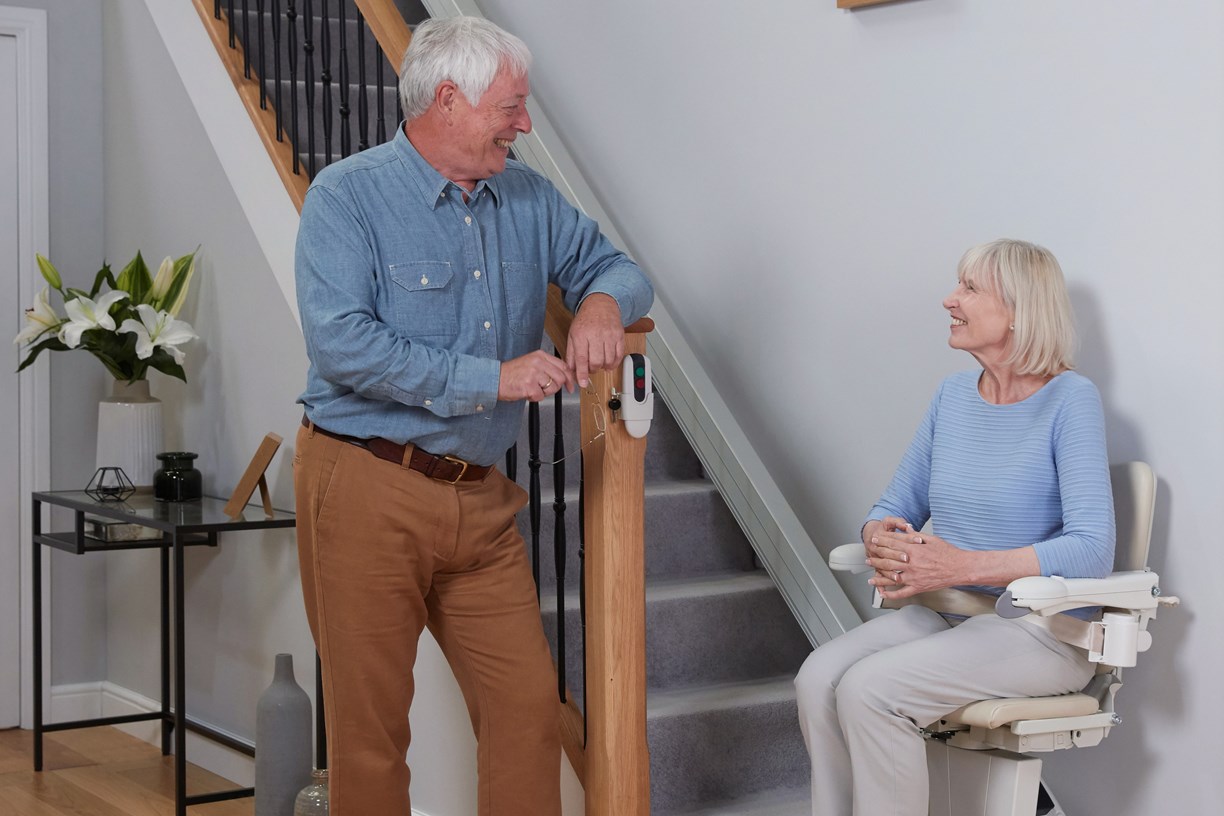
Simple adaptations can facilitate recovery and enhance safety. Recommended changes post-discharge might include installing grab rails, shower seats, raised toilet seats, improving lighting, or providing temporary mobility aids. These adjustments often reduce risks of falls and build confidence in moving around the home.
Community and Family Assistance
Support extends beyond formal care services. Friends, neighbours, and community groups frequently contribute by assisting with shopping, meal delivery, transport, prescription pickups, companionship, and regular wellness checks. Such social support can be invaluable in reducing isolation and helping elderly individuals adjust comfortably to home life.
Recognizing When Additional Support Is Needed
Certain signs may indicate the need for increased care: noticeable weakness, difficulties with personal hygiene, confusion about medications, anxiety when alone, recent falls or near misses, or trouble managing daily routines. Promptly seeking advice and exploring support options can prevent escalation and improve wellbeing.
Conclusion
Coming home from hospital is often the beginning of a new phase in the care journey for ageing individuals and their families. Understanding the full spectrum of home-care and community support available allows for informed decisions that promote safer, more manageable recoveries. Care Means is committed to helping families navigate these choices with confidence, ensuring every step after discharge supports independence and wellbeing.