Download our practical guides

Get practical and actionable insights

Let's Connect

CareMeans

Comparing Home Care and Residential Care Homes for Ageing Loved Ones

Deciding between live-in home care and residential care homes requires balancing safety, independence, and personal preferences. This guide helps families navigate key questions and care options tailored to their relatives' needs.

Published by Simon Cholmeley | July 6, 2026

Simon Cholmeley | July 6, 2026

Deciding between live-in home care and residential care homes requires balancing safety, independence, and personal preferences. This guide helps families navigate key questions and care options tailored to their relatives' needs.

Overview

Comparing Home Care and Care Homes in Shropshire: What You Need to Know

Navigating care options for ageing loved ones can be complex and emotional. For families in Shropshire, understanding the differences between home care and care homes is crucial to selecting the right support tailored to individual needs. This guide sheds light on these options, drawing on trusted providers like Landona House, Beech House Nursing Home, and River Meadows Nursing Home.

Understanding Home Care in Shropshire

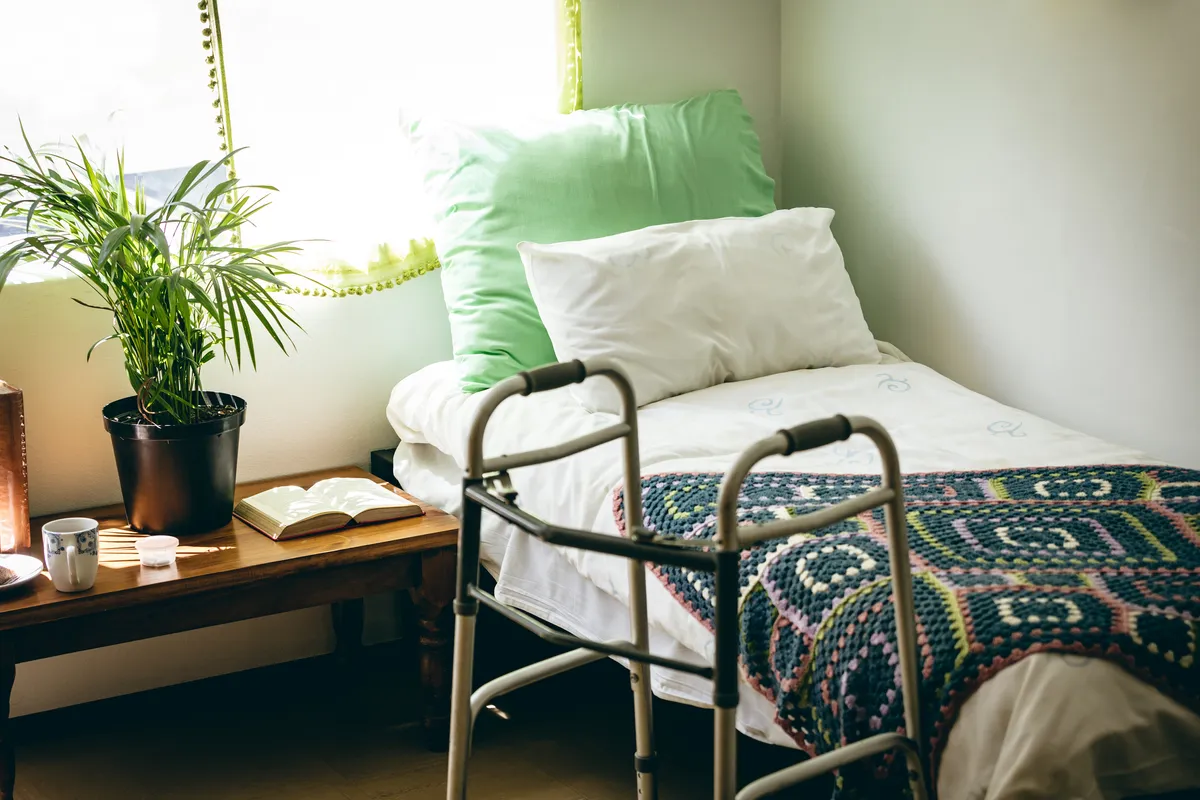
Home care allows elderly individuals to receive support while remaining in the comfort and familiarity of their own homes. This option is ideal for those who prefer independence but require assistance with daily activities such as medication management, personal hygiene, or meal preparation. Home-care services typically adapt to evolving health needs, offering flexibility in scheduling and level of assistance.

Evaluating Care Homes: A Closer Look

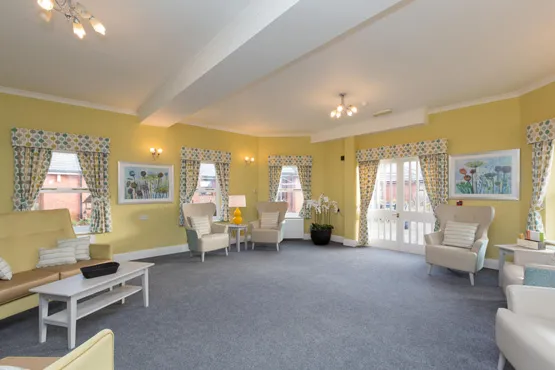
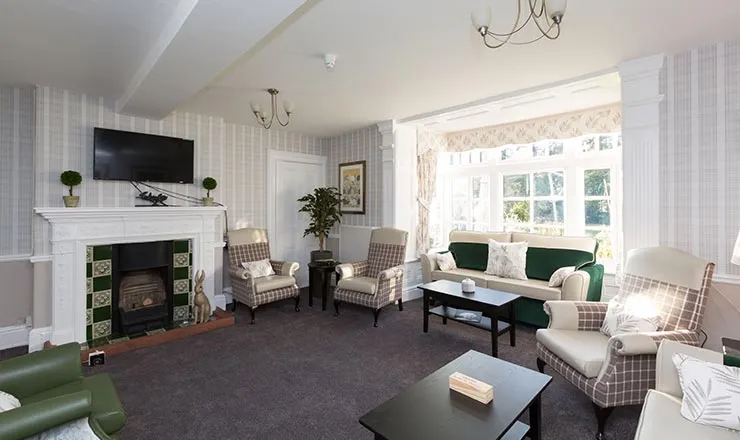
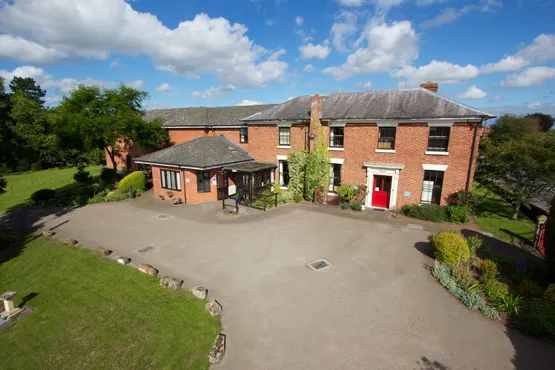
Care homes like Landona House in Shrewsbury and the Beech House Nursing Home offer more structured environments where personalised care plans are central. Landona House, for example, combines its Grade II-listed charm with skilled dementia care, respite, and residential services. High standards of infection control and a homely atmosphere provide confidence for families seeking long-term care solutions.

River Meadows Nursing Home emphasizes spacious living with private rooms, many with en-suite bathrooms, and communal areas designed for social engagement. Residents benefit from collaborative care planning, integrating input from family and healthcare professionals to ensure individualized care.

Key Factors in Comparing Home Care with Care Homes

When deciding between home care and care homes, consider these aspects:

  • Level of Care Needs: Complex medical requirements or conditions like advanced dementia often necessitate the comprehensive support care homes provide.

  • Social Interaction: Care homes offer community engagement opportunities that may be limited with home care.

  • Environment & Comfort: While home care promotes independence in familiar surroundings, care homes like Beech House and River Meadows create warm, safe spaces designed for seniors’ wellbeing.

  • Cost & Practicality: Home care typically involves variable costs depending on hours of service, whereas care homes have set fees encompassing accommodation, food, and care.

Making an Informed Choice

The decision between home care and residential nursing depends on personal preferences, health status, and lifestyle factors. Visiting facilities like Landona House or River Meadows can provide valuable insight into the atmosphere and care approach. Equally, consulting with care coordinators and healthcare professionals ensures the chosen path aligns with medical and emotional needs.

Moving Forward with Confidence

Springcare’s network, including Beech House Nursing Home and others across the Midlands and North West, reflects a commitment to compassionate, person-centered care where every individual feels genuinely valued. Whether considering home care services or residential options in Shropshire, families are supported through every step of the care journey with clear information and expert guidance.

By understanding the nuances of care options and evaluating providers thoughtfully, adults aged 45-70 and seniors aged 70-90 can make decisions that promote dignity, comfort, and quality of life during this important stage.

 Planning for your Care Guide

Get your home care guide

Planning for your Care Guide

Why Residential Care Homes Dominate the Shropshire Landscape

The High-Need Shift: As standard residential placements decline, the care home population in Shropshire is becoming intensely concentrated with individuals needing high-level clinical nursing and advanced dementia support—needs that are exceptionally difficult to safely manage via a single live-in carer at home.

Shropshire Council

Why Residential Care Homes Dominate the Shropshire Landscape
Deciding between live-in home care and residential care homes requires balancing safety, independence, and personal preferences. This guide helps families navigate key questions and care options tailored to their relatives' needs.
CareMeans logo

CareMeans

Navigating the Care Journey

Navigating the Care Journey.


Don’t Just take our word for it


Get your home care guide

Planning for your Care Guide

 Planning for your Care Guide
Questions
What is a care assessment?

A care assessment (or care needs assessment) is a free, personalised evaluation by local authority social services to determine a person's needs, such as help with washing, dressing, or meals. It identifies eligible support, helps maintain independence, and informs future care planning

What is hourly care?

Hourly elderly care is a flexible and personalised service in which caregivers visit homes for a set number of hours per day/week. The service is designed to provide essential support, including cleaning, meals, medication management, and personal hygiene, allowing seniors to remain independent in their own homes. The cost of hourly care can be provided for by social services if this service is deemed necessary following a care assessment. Alternatively, you can use private agencies and carers whom you pay directly. Costs range from £15 to £35, depending on location and provider.

What is the average cost of hourly care ?

The average cost of hourly home care is between £26 and £38 per hour. Costs do vary by location, for example, costs in London can be up to 30% more expensive than regions like the North East. Independent carers can be cheaper, sometimes costing between £15 and £25 per hour.


Explore more home care


Comprehensive Support After Hospital Discharge for Elderly Care at Home

Comprehensive Support After Hospital Discharge for Elderly Care at Home

Essential Strategies to Keep Elderly Comfortable During a Heatwave

Essential Strategies to Keep Elderly Comfortable During a Heatwave

Understanding Attendance Allowance Eligibility and Home Care Options in the UK

Understanding Attendance Allowance Eligibility and Home Care Options in the UK

Practical Care Solutions to Help Loved Ones Stay Safely at Home Longer

Practical Care Solutions to Help Loved Ones Stay Safely at Home Longer

Navigating the Care Journey.