.png)

As our loved ones age, maintaining their independence while ensuring safety and well-being becomes an important family priority. Home care services provide a valuable solution by offering personalised assistance that suits each individual’s needs, schedules, and preferences. From a few hours per week to full-time live-in care, flexible care plans are designed to support daily living while respecting the comfort of home.
What Is Home Care?
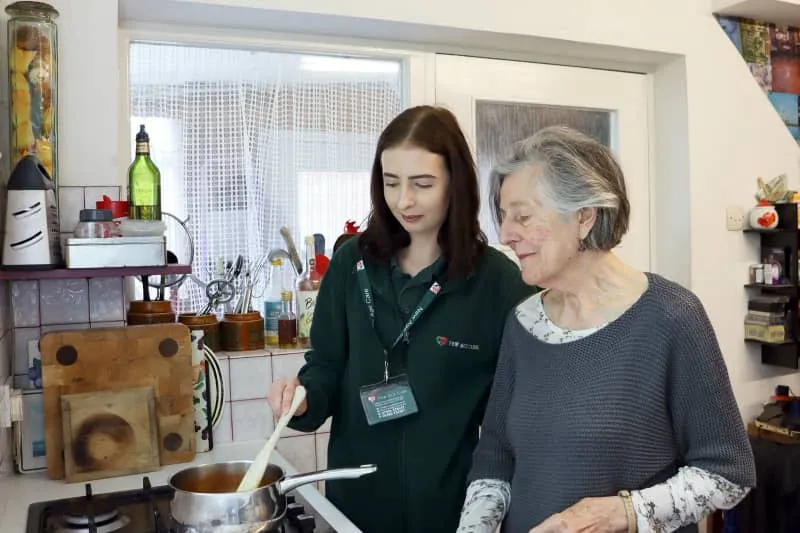
Home care involves professional support delivered in an individual’s home to help with daily tasks, health management, companionship, and overall well-being. Services range broadly, including personal care (such as bathing and dressing), meal preparation, medication reminders, mobility assistance, household chores, and social engagement.
Levels of Home Care: From Hourly Visits to Live-In Support
Home care can be as simple as occasional hourly visits or as comprehensive as round-the-clock live-in care. Agencies like Novus Care offer specialist carers who provide tailored support, ensuring clients receive award-winning care that fosters independence. Meanwhile, providers such as North Shropshire Homecare and SureCare Shropshire customise care packages to reflect each person’s unique circumstances, collaborating with health professionals when needed.
Can Carers Visit More Than Once a Day?
A common question families ask is whether carers can visit multiple times daily to support time-sensitive routines like bathing, meals, or medication. The answer is yes. Flexible home care agencies often offer multiple visits per day, tailored to fit the specific timing and needs of the individual.
For example, a typical daily plan might include a morning visit to assist with bathing and dressing, a midday call for medication oversight and lunchtime meal support, then an evening visit to help with preparing for bed. This approach ensures that essential tasks are completed at appropriate times, maintaining health and dignity.
Why Multiple Visits May Be Necessary
Many elderly individuals need consistent support around medication schedules, meal times, and personal hygiene, areas where family caregivers may face challenges due to work, childcare, or other commitments. Some common care needs effectively met through flexible visits include:
- Assistance with waking up, dressing, and morning hygiene
- Supervision and support during medication timings
- Help with meal preparation and ensuring regular nutrition
- Mobility support around the home and safe use of stairs
- Companionship to reduce social isolation
Utilising multiple shorter visits can be more effective and provide better care quality than a single longer visit, aligning with official guidance recommending home care visits last at least 30 minutes to effectively cover meaningful support.
Tailoring Care to Changing Needs
The CareMeans Home Care Readiness Checklist highlights that changes in daily living abilities, health management, safety, nutrition, and social connection signal when additional support may be required. Flexible care agencies excel at adapting service plans over time, from companionship services to more complex personal care, so elders receive appropriate support without unnecessary intervention.
Working with Trusted Providers
Engaging with reputable home care providers like Novus Care, North Shropshire Homecare, and SureCare Shropshire ensures your loved one benefits from well-designed, compassionate care plans. These providers understand the importance of flexible visits that can accommodate complex schedules and respond to evolving care needs.
Planning Ahead
Discussing future care preferences and funding options early helps families navigate potential transitions smoothly. Home care agencies often assist in care needs assessments and offer advice about all available care solutions to empower families facing these decisions.
Home remains the place where people feel most secure and content. Flexible home care services can respect that sense of belonging while delivering professional support tailored to daily rhythms and individual needs.
Disclaimer
The information in this article is provided for general guidance only and is not intended as legal, financial, medical or professional care advice. Every individual's circumstances are different, and the most appropriate care solution will depend on personal needs, health, finances and local service availability.
While Care Means aims to keep all information accurate and up to date, care services, eligibility criteria, costs and funding arrangements may change over time. You should always seek advice from qualified professionals and speak directly with care providers before making important decisions.
Care Means is an independent information resource dedicated to helping families understand their options and make informed choices about later life care.