.png)
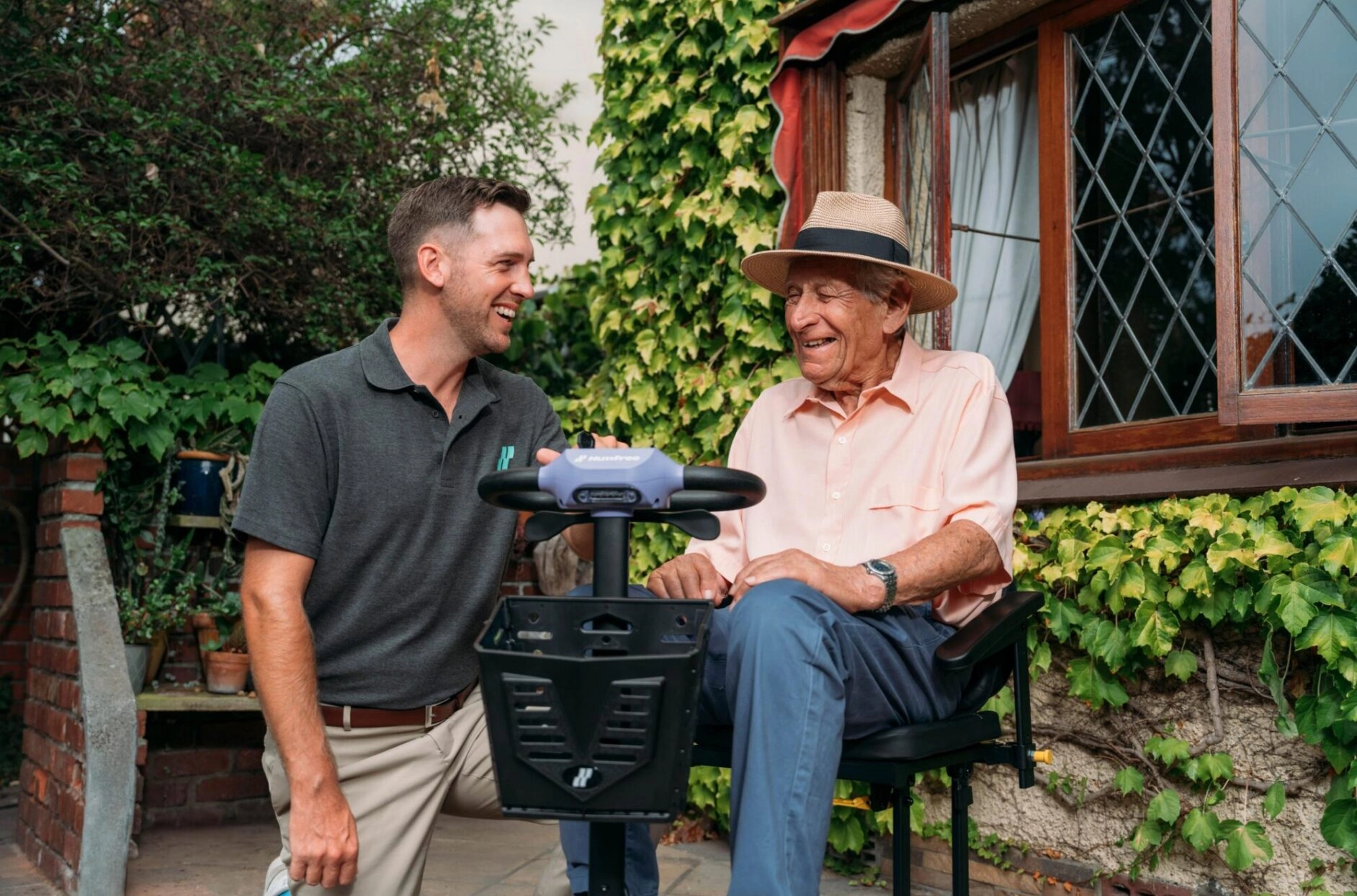
As we age, maintaining independence and social connections becomes increasingly important for both physical and mental well-being. Unfortunately, many seniors face challenges when reduced mobility leads them to become housebound, which can significantly heighten feelings of loneliness and social isolation. This article explores why staying mobile, actively engaging in hobbies, and preserving social interaction matter, and how mobility scooters can play a crucial role in enhancing quality of life for older adults.
The Hidden Dangers of Becoming Housebound
When elderly individuals restrict their movements due to mobility issues, the consequences extend beyond physical health. Loneliness and social isolation are recognized risk factors that can contribute to depression, cognitive decline, and even increased mortality. According to the National Institute on Aging, social isolation negatively impacts mental health and exacerbates other chronic conditions. Reduced engagement in community activities often follows limited mobility, which compounds these risks.
Keeping Independence Through Hobbies and Social Activities
Engagement in hobbies, regular shopping, visiting friends, and participating in social events all contribute significantly to emotional and cognitive well-being. These activities stimulate the mind and provide meaningful interaction, helping seniors stay connected with the world around them. Preserving the ability to pursue such interests supports autonomy and boosts self-confidence.
How Mobility Scooters Support Active Living and Social Engagement
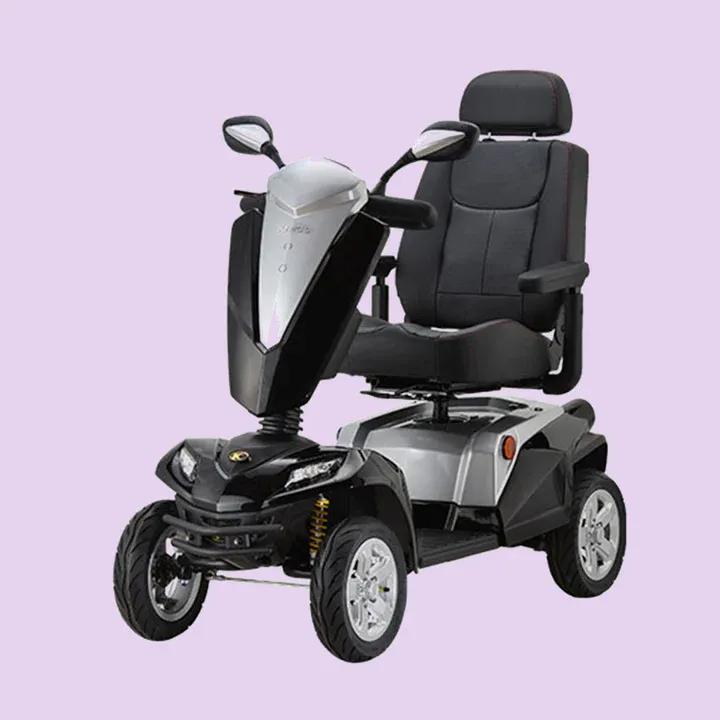
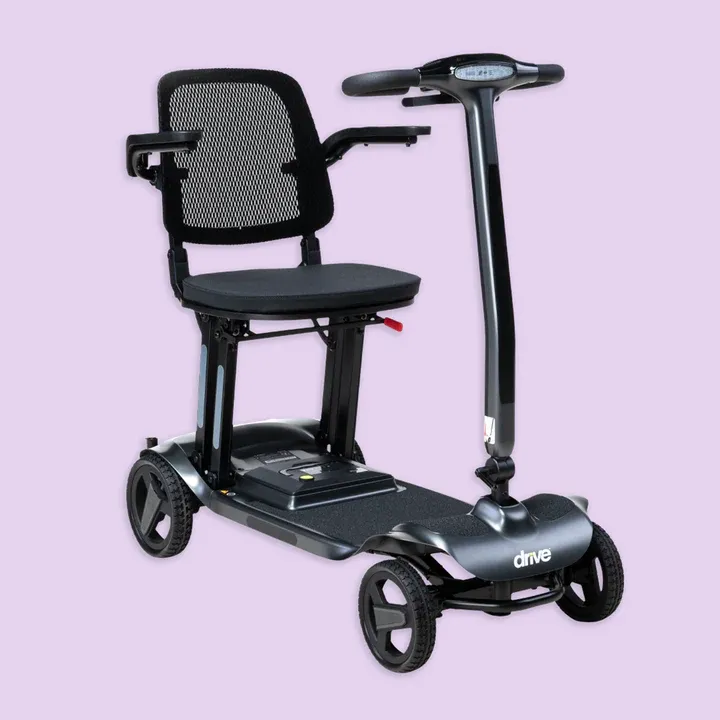
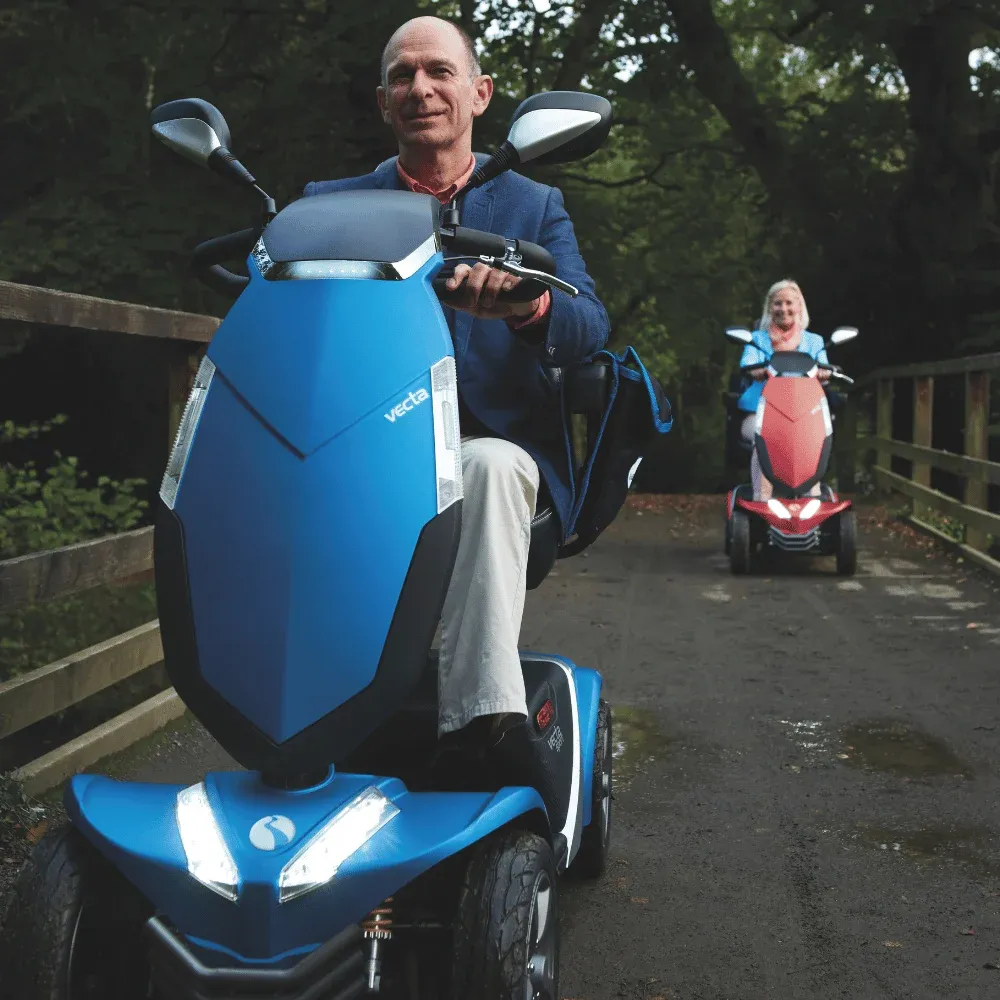
Mobility scooters offer a practical solution for seniors experiencing reduced mobility. Not only do they provide safe and easy transport for outdoor trips, but they also enable users to maintain a lifestyle that includes visiting shops, parks, cafes, and social gatherings.
Contrary to some common misconceptions, mobility scooters are not just for those who are severely disabled but serve as empowering tools that enhance daily freedom. As Seacroft Mobility highlights, their scooters are designed to help users stay mobile, safe, and confident both inside the home environment and out in the community.
Dispelling Myths Around Mobility Scooter Use
Some individuals resist the idea of using mobility scooters due to stigma or fear of dependence. However, embracing these aids often prevents further isolation and supports longer-term independence. Essington Mobility emphasizes that mobility equipment, including scooters, stairlifts, and chairs, enables elderly and disabled individuals to lead fuller lives rather than confining them.
Trusted Expertise and Aftercare Support
Choosing the right mobility solution is an important step. Clearwell Mobility provides expert advice and ongoing support to ensure users receive personalized equipment that fits their needs. Their commitment to genuine aftercare ensures seniors remain confident in maintaining their mobility and social interaction.
Practical Tips for Staying Connected
Based on guidance from the National Institute on Aging and NHS resources, seniors can take steps to reduce loneliness:
- Schedule regular outings or social visits
- Participate in community center activities
- Use mobility aids to facilitate transportation
- Keep hobbies active through clubs or groups
- Stay in contact with family and friends via phone or video calls
Conclusion
Reduced mobility need not mean sacrificing social interaction or quality of life. Mobility scooters and supportive equipment from trusted providers like Seacroft Mobility, Essington Mobility, and Clearwell Mobility empower seniors to sustain independence and enjoy meaningful social connections. Prioritizing mobility is a critical part of navigating the care journey and combating the risks associated with loneliness and isolation among elderly individuals.