.png)

Caring for aging parents includes openly addressing sensitive topics like their increased risk of falls, which can cause stress and affect their confidence and independence. When your dad keeps tripping, starting the conversation with empathy and concern is key. Acknowledge the stress these incidents cause both him and the family, emphasizing that your goal is to find solutions to keep him safe without compromising his autonomy.
Falls often happen both inside and outside the home. While managing risks indoors is critical, don't overlook solutions for when he is out and about. Mobility aids such as walking sticks, frames, and mobility scooters can significantly reduce the risk of falls and instill confidence. These assistive devices support balance and mobility, allowing your dad to maintain independence and continue engaging in his daily activities safely.
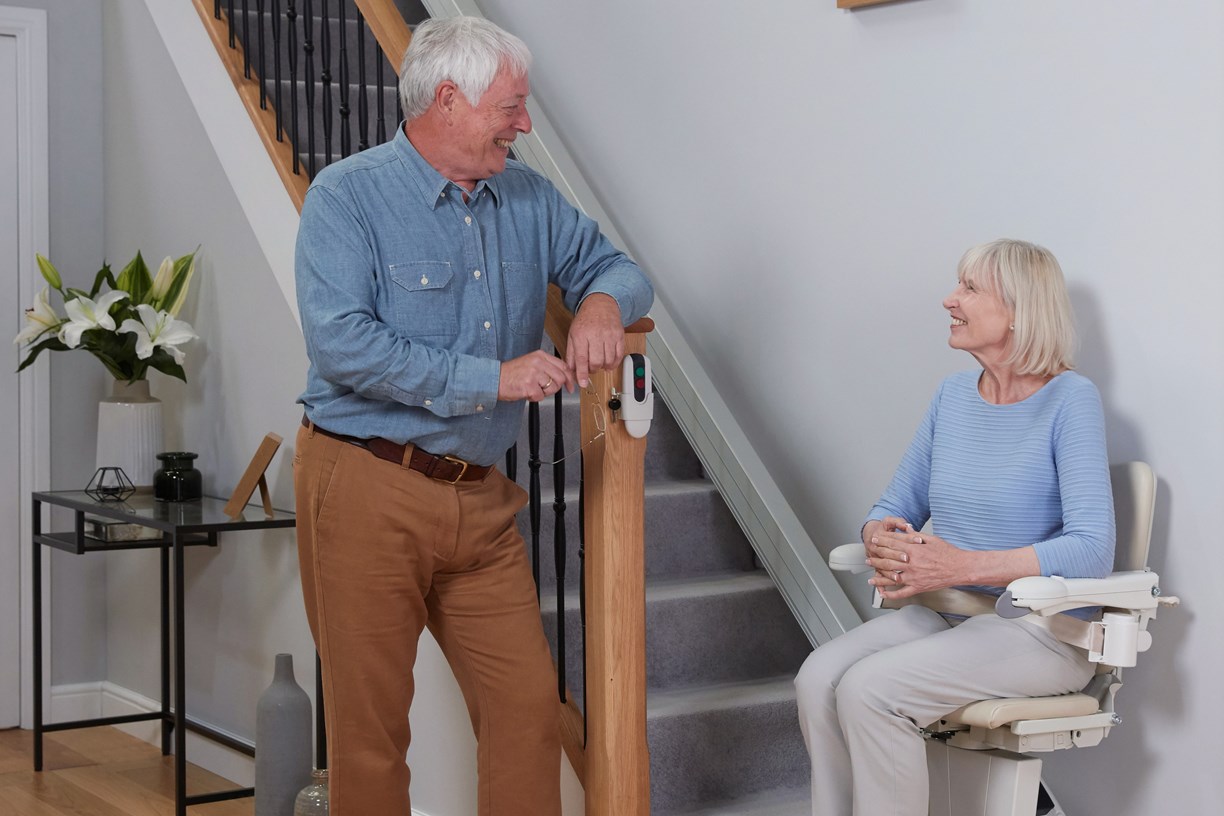
If stairs present an added hazard, installing handrails on both sides can offer improved stability and support. For more challenging mobility needs, consider obtaining a professional assessment for a stairlift. Age UK Trading offers a variety of stairlift and homelift options that can be tailored to your home’s layout and your father’s specific needs, helping to preserve his comfort and safety.
Inside the home, certain areas require special attention to minimize trip and fall risks. Bathrooms, bedrooms, and kitchens are among the highest risk zones. Bathrooms can be particularly dangerous due to slippery surfaces and awkward postures during showering or bathing. Installing professionally fitted grab bars near the shower, toilet, and bathtub is essential; towel racks are not safe substitutes. Adding non-slip mats with suction backs inside and outside bath areas, or considering walk-in baths and shower seats, are practical enhancements.
In kitchens, ensure that frequently used items are stored within easy reach to avoid unnecessary bending or stretching. Placing non-slip mats in front of the sink and stove can prevent slips on greasy or wet floors. Adequate lighting is also vital; brighter bulbs and additional task lighting near cooking and preparation areas reduce accident risks.
Lighting throughout the home must not be underestimated as a fall prevention measure. Motion-sensor lights in hallways, staircases, and doorways, along with nightlights in bedrooms and bathrooms, help your dad navigate safely, especially during nighttime. Use LED bulbs for efficient, consistent brightness.
Floors and walkways should be kept free of clutter such as shoes or bags, which are common trip hazards. Secure loose rugs with non-slip underlays, and organize electrical cords along walls or beneath cable covers to keep paths clear. Regularly testing and maintaining smoke and carbon monoxide detectors is another essential safety measure.
For personalized guidance, consider services like SureCare Shropshire, which offers tailored home-care packages integrating support from healthcare professionals to assist your loved one while preserving independence at home. Adapt A Home provides expert advice and rapid installation of a range of mobility aids and patient moving equipment that can ease daily living.
Starting these conversations and implementing the right combination of mobility aids and home modifications may initially feel overwhelming but greatly benefits your dad’s safety and quality of life. Use the fall prevention checklist included in the Care Means Resource Library as a practical tool to evaluate and address potential hazards systematically.
Remember to approach these changes collaboratively and patiently, respecting your dad’s preferences and autonomy. The goal is to create a safer environment that empowers him to live confidently and comfortably.
Disclaimer
The information in this article is intended for general guidance only and should not replace professional medical, occupational therapy or specialist advice. Every individual's health, mobility and living environment are different, so the most appropriate solutions will depend on their personal circumstances.
If you have concerns about the safety or wellbeing of an older person, or before making significant changes to their home or care arrangements, consider seeking advice from an appropriate healthcare professional, occupational therapist or other qualified specialist.
Care Means is an independent information resource designed to help families understand their options and make informed decisions with confidence.