.png)
Navigating the challenges of ageing or disability at home often requires adaptations to maintain independence and ensure safety. One key support available in the UK is the Disabled Facilities Grant (DFG), designed to help eligible individuals fund essential home adaptations, including stairlifts. This article explores the DFG, who qualifies, the stairlift benefits, signs it might be needed, and important cost considerations.
What Is the Disabled Facilities Grant?
The Disabled Facilities Grant is a government-funded scheme aimed at helping homeowners and tenants modify their homes to meet mobility or accessibility needs. It specifically supports adaptations that enable disabled individuals to live safely and independently. Available in England, Wales, and Northern Ireland, the grant can cover up to £30,000 in England, £36,000 in Wales, and £25,000 in Northern Ireland for eligible applicants.
Who Is Eligible and What Is It For?
Eligibility primarily considers individuals with physical disabilities, mobility challenges, or long-term health conditions that impair their ability to use parts of their home safely. This group often includes older adults and those with sensory impairments or cognitive conditions. The grant covers adaptations ranging from grab rails and ramps to larger installations like stairlifts. To apply, individuals must contact their local council, which will conduct a home assessment, often with an occupational therapist, to determine necessary modifications. The grant is means-tested in some cases, but local councils prioritize vulnerable groups including seniors and disabled persons.
How to Apply and The Process
- Contact Local Council: Initiate the application by reaching out to the Adult Social Care Team or Housing Department.
- Needs Assessment: An occupational therapist or qualified assessor visits the home to evaluate mobility challenges and recommend adaptations.
- Work Scope and Quotes: After assessment, applicants obtain quotes from reputable suppliers or installers.
- Approval and Funding: The council reviews the application and arranges funding if approved.
- Installation: The applicant selects a supplier to carry out the adaptations.
Who Needs a Stairlift?
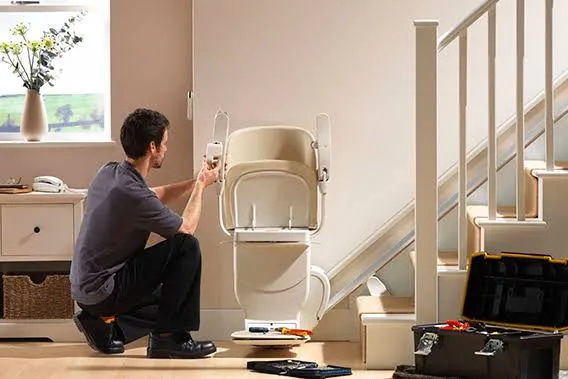
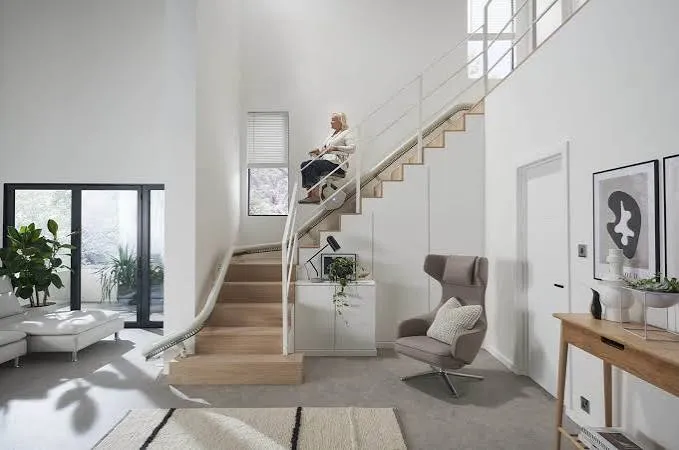
Stairlifts provide a practical solution for those who find negotiating stairs increasingly difficult due to reduced mobility, balance issues, pain, or fatigue. Typical users include older adults with arthritis, balance disorders, or after surgery or injury. Stairlifts prevent falls, the leading cause of injury among older adults at home, by providing safe, seated access between floors.
Signs that an elderly relative might benefit from a stairlift include:
- Experiencing difficulty or pain when climbing stairs
- Using handrails heavily or requiring assistance
- Avoiding stairs altogether, limiting access to parts of their home
- Showing signs of fatigue or dizziness on stairs
Benefits of a Stairlift
Installing a stairlift enhances safety by reducing fall risks, promotes independence by enabling easy access between floors, and improves quality of life by maintaining full use of multi-storey homes. Additionally, stairlifts can reduce the need for costly care or home relocation.
Cost Considerations
The cost of a stairlift varies depending on the home layout and type of stairlift. Straight stairlifts are generally more affordable, while curved or bespoke models cost more due to customisation. Typical prices range from £2,000 to over £5,000. Installation, servicing, and warranty are essential aspects; trusted family-run businesses like Chapter Stairlifts, Midland Stairlifts, and Pennine Mobility Stairlifts offer quality products and aftercare services, ensuring safety and long-term reliability.
The Disabled Facilities Grant can substantially offset these costs, making stairlifts a financially viable option for many.
Safety in the Home and Additional Support
In addition to stairlifts, other home safety modifications like grab bars, non-slip mats, improved lighting, and alarm systems significantly reduce injury risks. Local services and fire departments often provide 'Safe and Well' visits to assess home safety, especially for seniors or anyone with mobility impairments.
Moving Forward
If you or a loved one struggles with stairs or other mobility issues at home, exploring the Disabled Facilities Grant and stairlift options is a proactive step. Contact your local council's social care team to begin the assessment process, and consult with reputable stairlift providers to find the best solution tailored to your home's needs.
Disclaimer
This article is for informational purposes only and does not constitute legal or financial advice. Eligibility and grant amounts may vary by region and individual circumstances. Always consult your local authority or a qualified professional for personalized guidance.