.png)
Loneliness is a silent epidemic affecting the elderly population in the UK, presenting a significant challenge for families and communities alike. According to the NHS, approximately 940,000 older people aged 65 and over experience chronic loneliness. This social isolation is not just a matter of emotional wellbeing,it also has tangible health implications that demand attention and action.
The Scope and Impact of Loneliness in the Elderly
While younger adults often report occasional feelings of loneliness, severe social isolation disproportionately affects older adults. Over 1 million elderly individuals go an entire month without meaningful social contact. Chronic loneliness affects about 7% of people aged 65 and above, while 15% to 29% experience occasional loneliness depending on the region and age bracket. Particularly vulnerable are those over 80 years old; nearly 29% report high levels of loneliness compared to 14-15% in the 65,79 age group.
The consequences of such prolonged isolation extend beyond emotional distress. Research by Age UK highlights the health risks associated with loneliness in older adults: a 29% increased risk of coronary heart disease, a 32% increased risk of stroke, and a 25% greater likelihood of developing dementia. These alarming statistics underscore the urgency of addressing loneliness as part of home-care strategies.
Practical Steps to Alleviate Loneliness for Elders
Small, deliberate daily actions can substantially improve the quality of life for elderly neighbours, relatives, and friends. A simple smile and greeting can foster connection. Initiate conversations around familiar topics such as the weather, gardening, or local news. Asking open-ended questions about their past, family, or social circles invites meaningful dialogue and shows genuine interest. Listening attentively and patiently is essential to building trust and rapport.
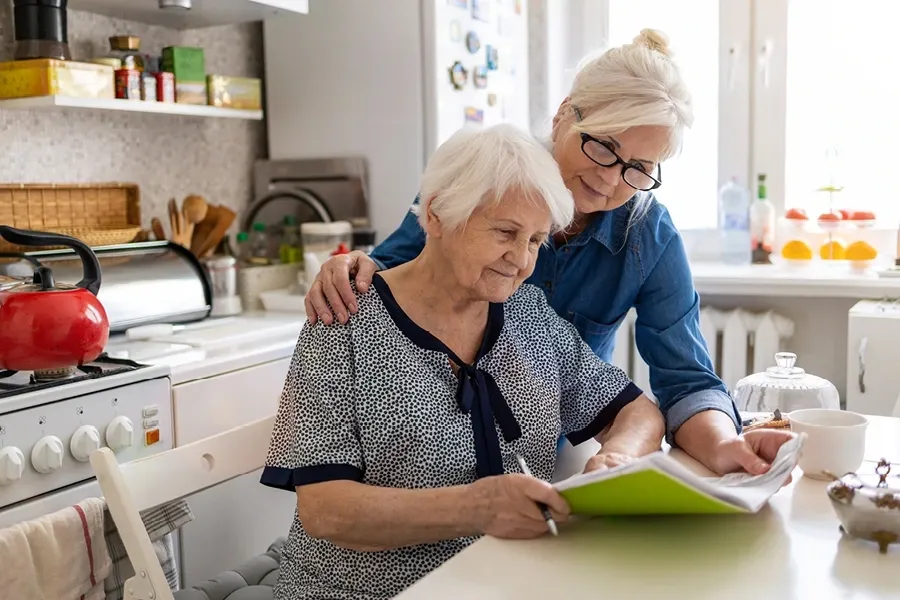
Supporting elderly individuals with practical help can also reduce feelings of isolation. Sharing meals, taking them grocery shopping, or assisting with errands like picking up prescriptions encourages engagement beyond their home. Technology can be a bridge too; helping with video calls or smartphone use can open new social channels.
Setting up regular contact,whether weekly visits, phone calls, or inviting them out for coffee,can create a dependable social rhythm that combats loneliness. Remembering important dates such as birthdays and anniversaries further strengthens these bonds.
The Role of Professional Home Care Services
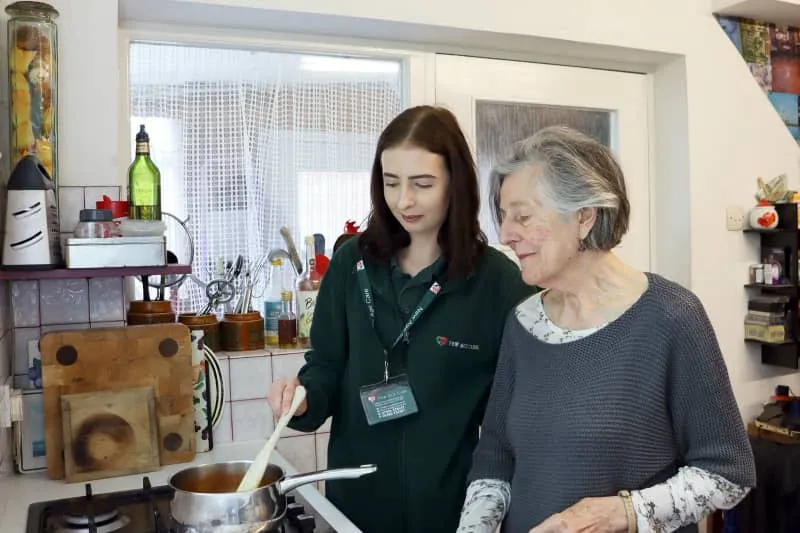
For families unable to provide daily companionship, professional home care services offer invaluable support. Providers like Novus Care bring over 14 years of expertise delivering award-winning in-home care, helping older adults maintain independence and connection in their familiar environments. Unique Senior Care offers tailored visiting and live-in care services throughout Solihull, Coventry, South Warwickshire, and beyond, catering to individual needs with compassionate attention. Similarly, Radfield Home Care in Shrewsbury & Oswestry is committed to enabling people to age well by staying connected to what matters most through their visiting and live-in services.
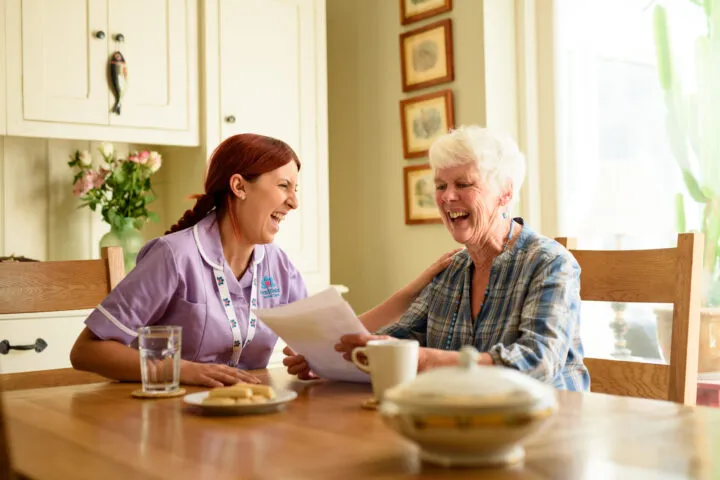
Engaging reputable home care agencies ensures that elderly relatives receive regular social interaction and practical assistance, which can drastically reduce their sense of loneliness while preserving dignity and comfort.
Navigating the Care Journey Together
Loneliness among the elderly is a pressing but addressable issue. By combining personal efforts with trusted home care support, we can create an environment where older adults feel seen, valued, and connected. As families and communities, small gestures and thoughtful care pave the way for healthier, happier ageing experiences,truly navigating the care journey with compassion and respect.