.png)

Realising that a family member needs additional care beyond what you alone can provide is often a challenging and emotional time. Feelings ranging from guilt to anxiety are common as you face the responsibility of arranging support that respects your loved one’s dignity and independence. In the UK, there are numerous care options and financial supports available, but understanding them can be overwhelming.
Turning to Trusted Sources for Care Guidance When this realisation hits, it’s important to know where to seek advice. Your first point of contact should often be the family GP, who can assess health needs and refer to appropriate care services. Local councils and social services also offer assessments and can help you understand what support is available through public funding or community programs. These agencies work alongside professional care providers to create comprehensive care plans tailored to individual needs.
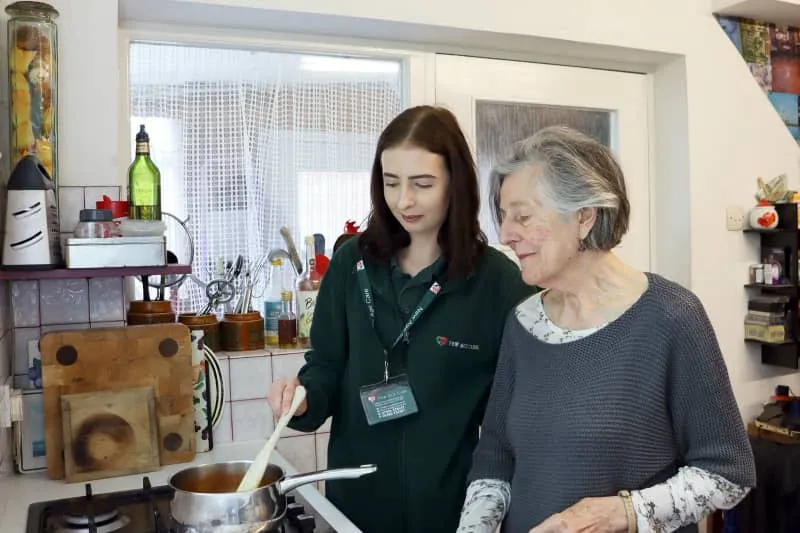
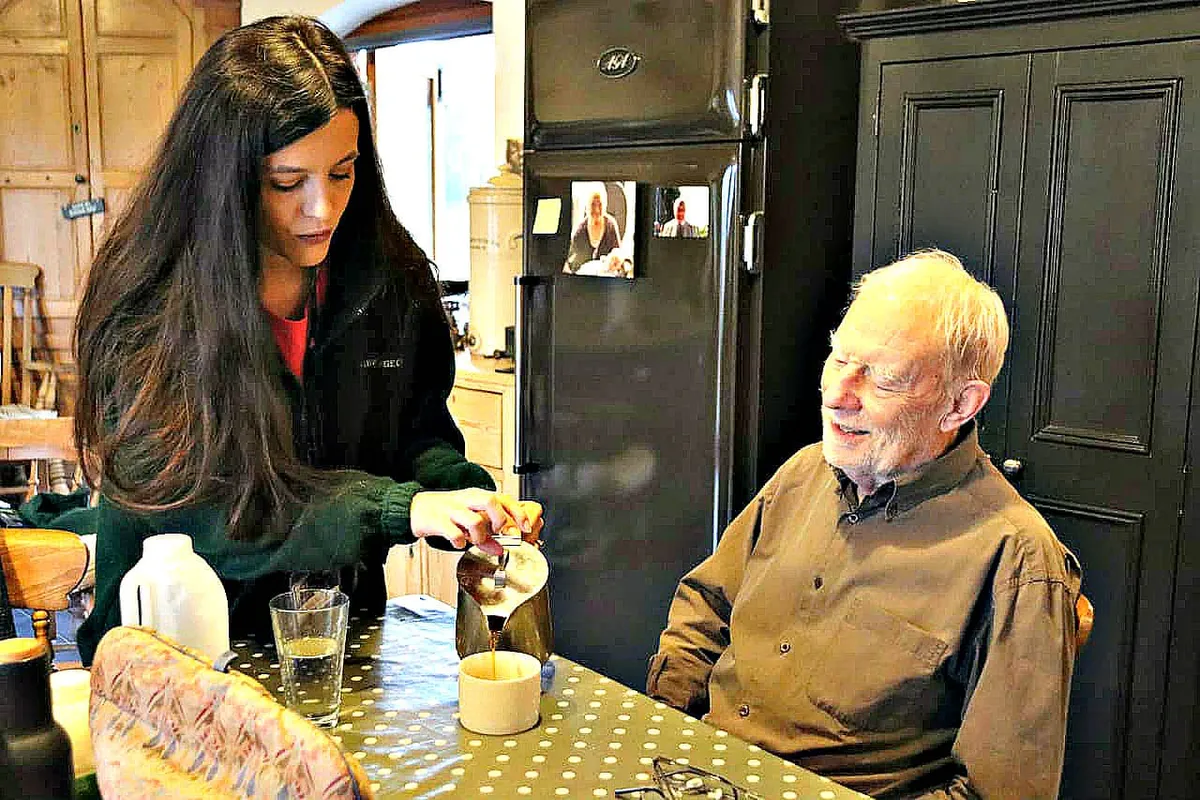
Navigating Care Options Across the UK Home care services enable elderly individuals to maintain independence in the comfort of their own homes. Organisations like SureCare Shropshire specialise in tailored care packages that coordinate with clinical professionals, ensuring holistic support. Similarly, New Age Care offers a spectrum of services from visiting care to end-of-life support across the Midlands, focusing on personalised, compassionate assistance. Novus Care, with its nationwide presence, provides award-winning home care solutions, helping older adults and young adults alike to live independently.
Understanding Attendance Allowance: A Key Financial Support One of the major stressors when arranging care is the financial cost. Fortunately, attendance allowance in the UK offers essential help for many.
Attendance allowance is a non-means-tested benefit designed to support people over state pension age who need help with personal care due to illness or disability. It does not require you to be receiving any other benefits to apply.
Eligibility largely depends on whether the individual needs assistance with bodily functions (like washing, dressing, or eating) or supervision to stay safe, due to physical or mental disability.
Currently, attendance allowance payments come in two rates:
- Lower rate: £68.10 per week
- Higher rate: £101.75 per week
The amount awarded depends on the care needs and, in some cases, the frequency with which care is required throughout the day and night.
Claiming attendance allowance can significantly relieve the financial pressure on families by contributing towards the cost of care or other support needs.
For detailed eligibility criteria and to start a claim, visit the official government page here: Attendance Allowance - GOV.UK
Taking the Next Steps with Confidence Facing the prospect of arranging care is never easy, but knowing there’s structured support can bring peace of mind. Engage early with your GP and local authority to explore assessments. Reach out to reputable home care providers like SureCare Shropshire, New Age Care, or Novus Care, who can offer tailored services that respect your loved one’s preferences.
Coupled with understanding and claiming attendance allowance, these measures form a strong foundation for managing care needs effectively. Navigating the care journey in the UK becomes more manageable when you are informed and supported by the right professionals and financial aids.