.png)
Maintaining mobility is a cornerstone of independence and wellbeing for the elderly. For adults aged 45-70 caring for ageing parents, and for seniors themselves aged 70-90, understanding the impact of home-care mobility aids is essential. These tools not only facilitate daily activities but also nurture social connections, mental health, and safety within the home environment.
The Importance of Staying Mobile in Elderly Care
As mobility declines with age, the risk of isolation, accidents, and declining mental health grows. Staying physically active and independent helps seniors continue engaging in hobbies, household tasks, and social visits, which bolster self-esteem and emotional wellbeing. Mobility aids tailored for home care can bridge the gap between limitations and active living.
Social Life and Mental Health Benefits
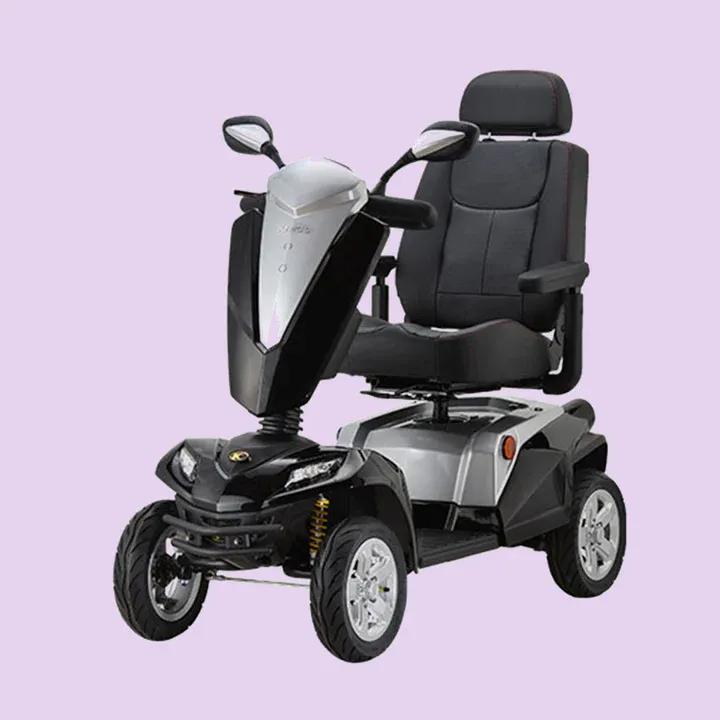
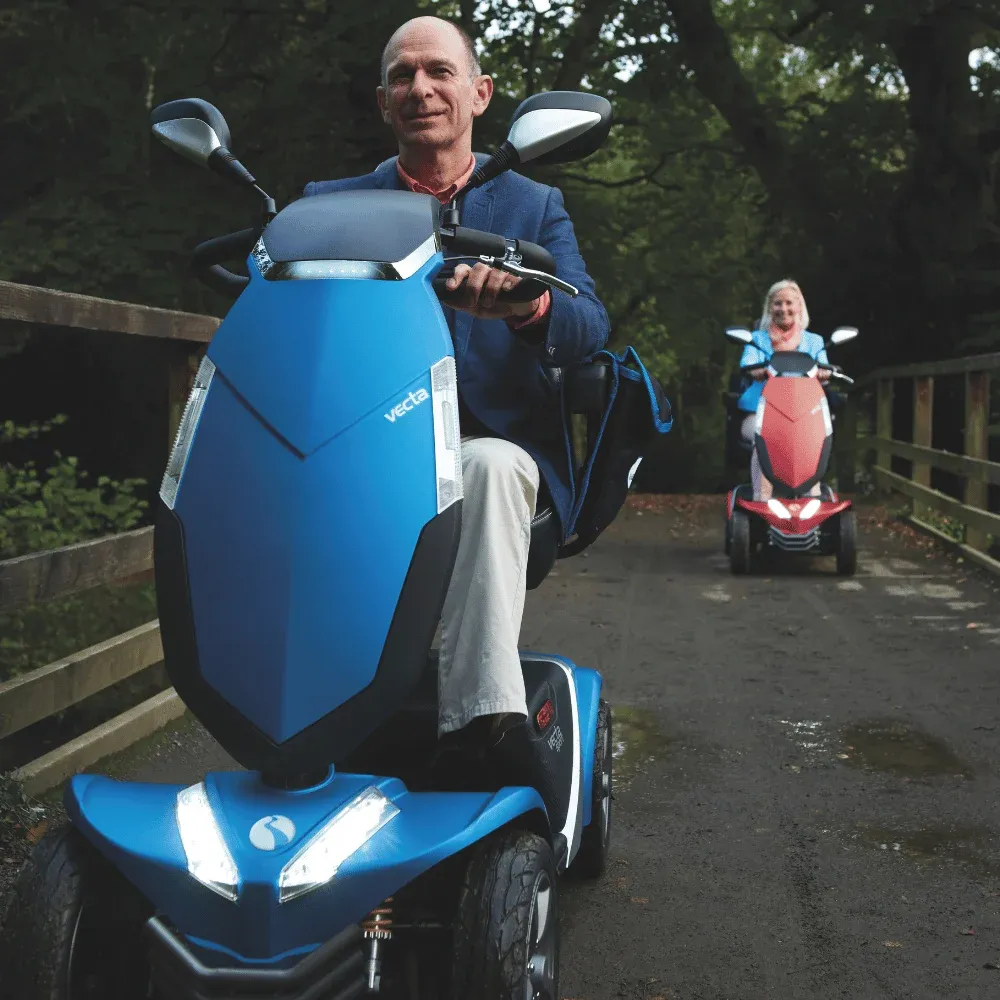
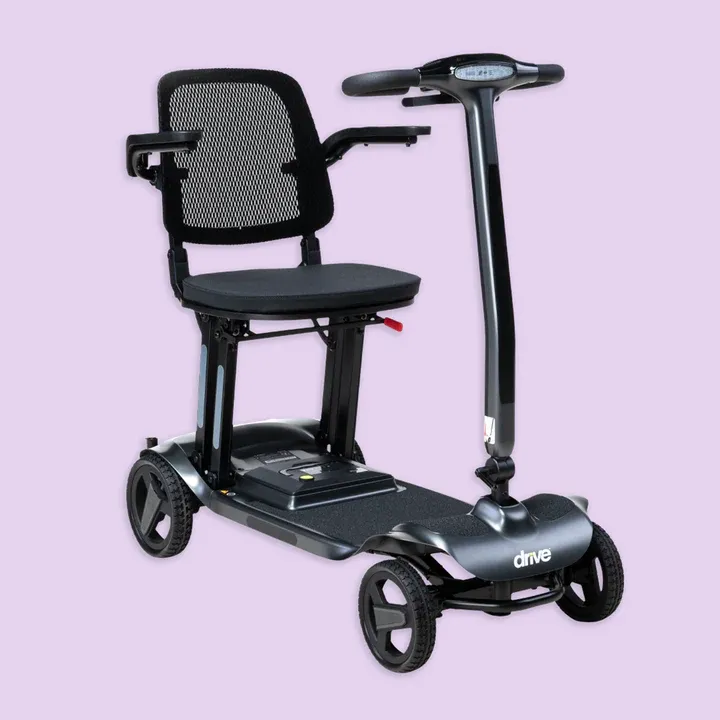
Mobility challenges often confine elderly individuals to their homes, curbing contact with friends and family. Using mobility scooters, rise-and-recline chairs, or everyday living aids from trusted providers such as Seacroft Mobility allows seniors to participate in social events and maintain friendships. This active engagement supports cognitive function, reduces feelings of loneliness, and promotes a positive outlook on life.
Enhancing Safety and Confidence at Home
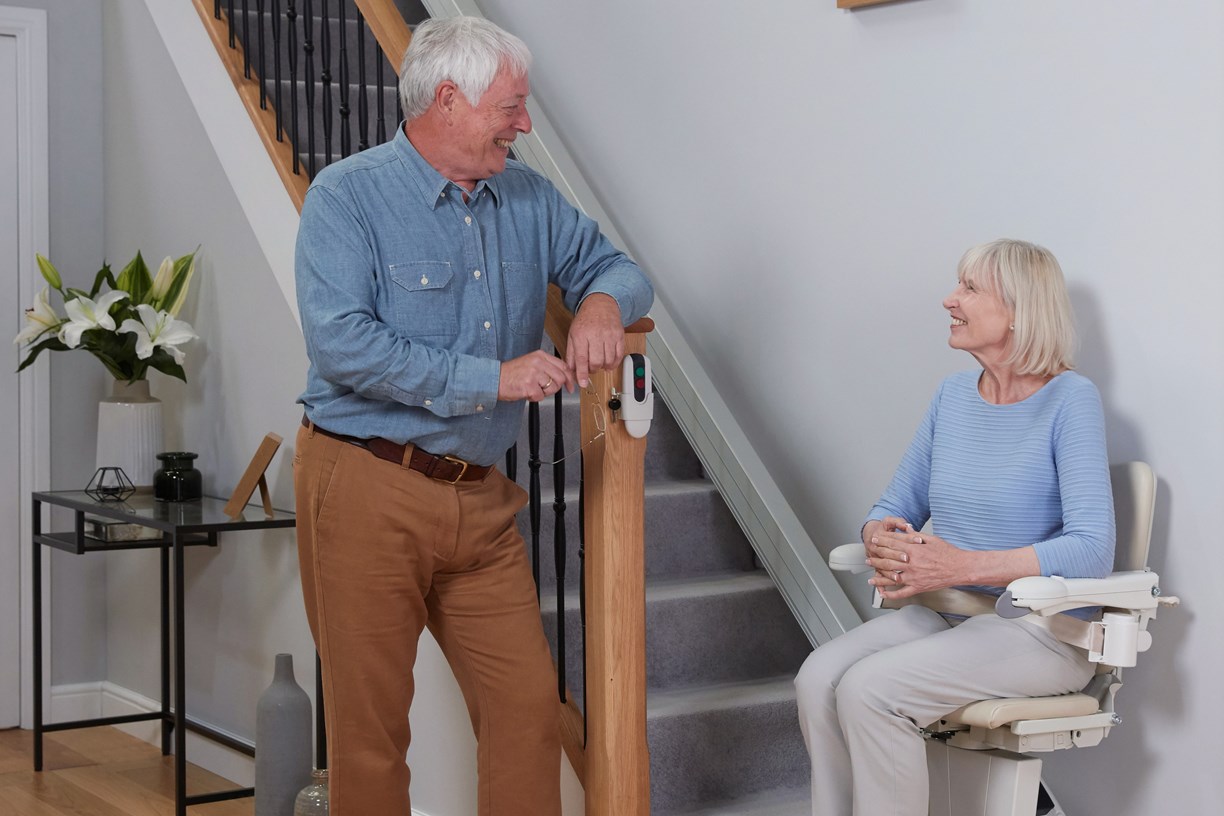
Falls and injuries are significant concerns in elderly care. Mobility aids designed to navigate indoor and outdoor spaces safely,like stairlifts and wheelchairs available at Essington Mobility Cannock,minimize hazards. Clearwell Mobility’s wide range of home healthcare equipment further ensures that seniors have access to reliable, well-maintained products that promote confidence and reduce caregiver burden.
Supporting Overall Wellbeing through Independence
Independence is closely tied to a sense of dignity and control. When seniors can manage daily tasks with the support of mobility devices, they experience improved physical health and lowered stress levels. The convenience of choosing equipment from knowledgeable suppliers who offer expert advice and aftercare, such as Clearwell Mobility’s personalised support, adds to the ease of adopting these solutions.
Choosing the Right Mobility Aids for Your Loved Ones
Selecting appropriate aids depends on individual needs, living environment, and lifestyle. It is advisable to consult mobility specialists who can assess and recommend options ranging from mobility scooters and wheelchairs to assistive living aids. Seacroft Mobility’s commitment to making life easier exemplifies how quality products can be tailored to enhance both home and outdoor mobility.
Conclusion
Mobility aids are invaluable in the home-care journey, empowering elderly individuals to stay independent, connected, and safe. By embracing these aids, seniors and their families can significantly improve quality of life, promote mental and physical health, and enjoy more fulfilling social interactions. Engaging with trusted providers like Seacroft Mobility, Clearwell Mobility, and Essington Mobility Cannock ensures access to expert guidance and reliable equipment that truly supports navigating the care journey.