Download our practical guides

Get practical and actionable insights

Let's Connect

CareMeans

The Vital Role of Gardening in Care Homes for Dementia Residents in Shropshire

Maintaining hobbies like gardening improves quality of life for elders in care homes. Discover how Shropshire care homes support residents with dementia through engaging gardening activities.

Published by Simon Cholmeley | August 6, 2026

Simon Cholmeley | August 6, 2026

Maintaining hobbies like gardening improves quality of life for elders in care homes. Discover how Shropshire care homes support residents with dementia through engaging gardening activities.

Overview

Supporting Gardening as a Therapeutic Hobby in Shropshire Care Homes

Transitioning into a care home can be challenging, especially for those like my mum, a passionate gardener whose life was deeply intertwined with nurturing plants and spending time outdoors. Now living with dementia and residing in a care home, the continuity of her gardening hobby has proven essential to her wellbeing. This article explores the importance of preserving hobbies, particularly gardening, within care homes to enhance both physical and mental health, and highlights some Shropshire care homes offering specialized gardening activities.

The Importance of Maintaining Hobbies in Care Homes

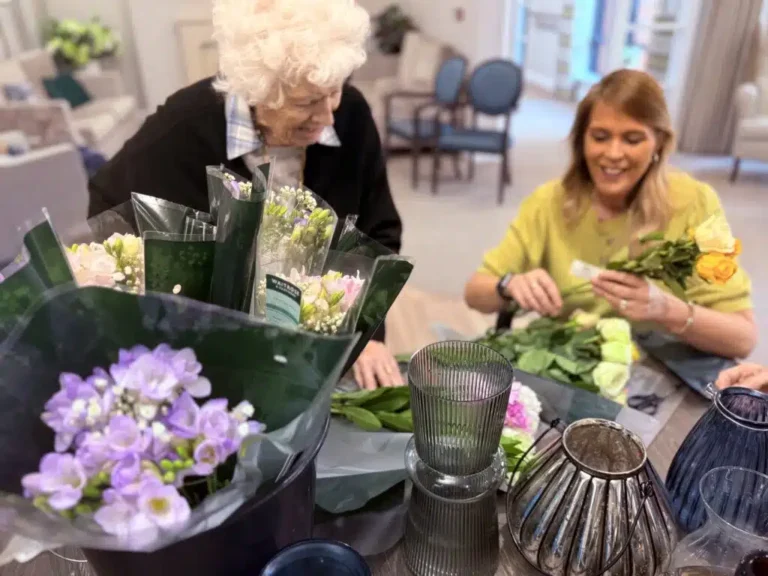
Hobbies provide structure, purpose, and joy, elements vital at any life stage, but especially for older adults adapting to new living arrangements. For those with dementia, engaging in familiar activities can stimulate memory, promote emotional comfort, and reduce anxiety. Gardening, in particular, offers sensory experiences through touch, sight, and smell that can reconnect residents with nature and themselves.

Benefits of Gardening for Residents with Dementia

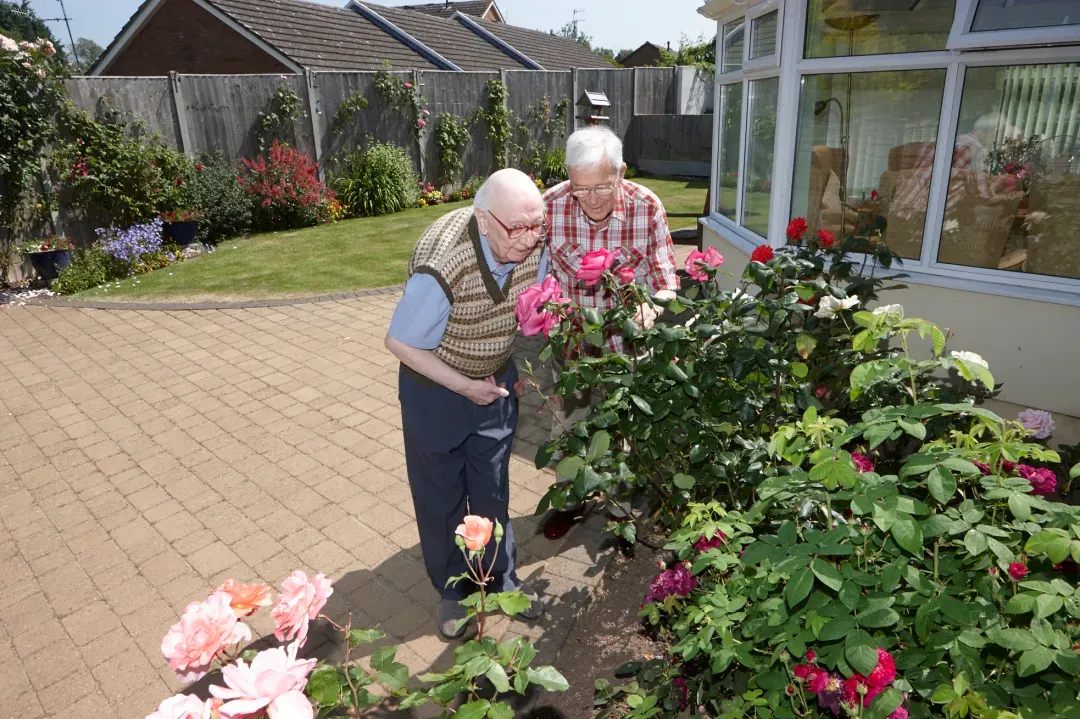
Gardening activities have been associated with numerous benefits, including improved mood, increased motor skills, and enhanced cognitive function. Recent research showed how tending plants can foster a sense of achievement and improve social interaction among residents. The physical activity involved, even if light, encourages mobility and dexterity, while the calming environment reduces agitation common in dementia.

Studies have shown that accessible garden spaces in care homes create opportunities for residents to enjoy fresh air safely, promoting overall cardiovascular health. Moreover, Research For You showcases how personalized gardening tasks based on individual capabilities can preserve independence and boost self-esteem.

Gardening Initiatives in Shropshire Care Homes

Several Shropshire care homes recognize gardening as a powerful therapeutic tool and have integrated it into their activity programs:

  • Oxbrow Care Home: Features raised garden beds designed for easy reach, enabling residents with mobility challenges to continue planting and tending flowers.

  • Bowbrook Care Home: Offers guided gardening sessions, encouraging residents to share their knowledge and stories, fostering community bonds.

  • Roden Hall: Maintains sensory gardens with aromatic herbs and colorful blooms structured to stimulate senses and memories.

  • Barclay Gardens: Provides weekly gardening clubs that align with residents’ abilities, promoting routine and social engagement.

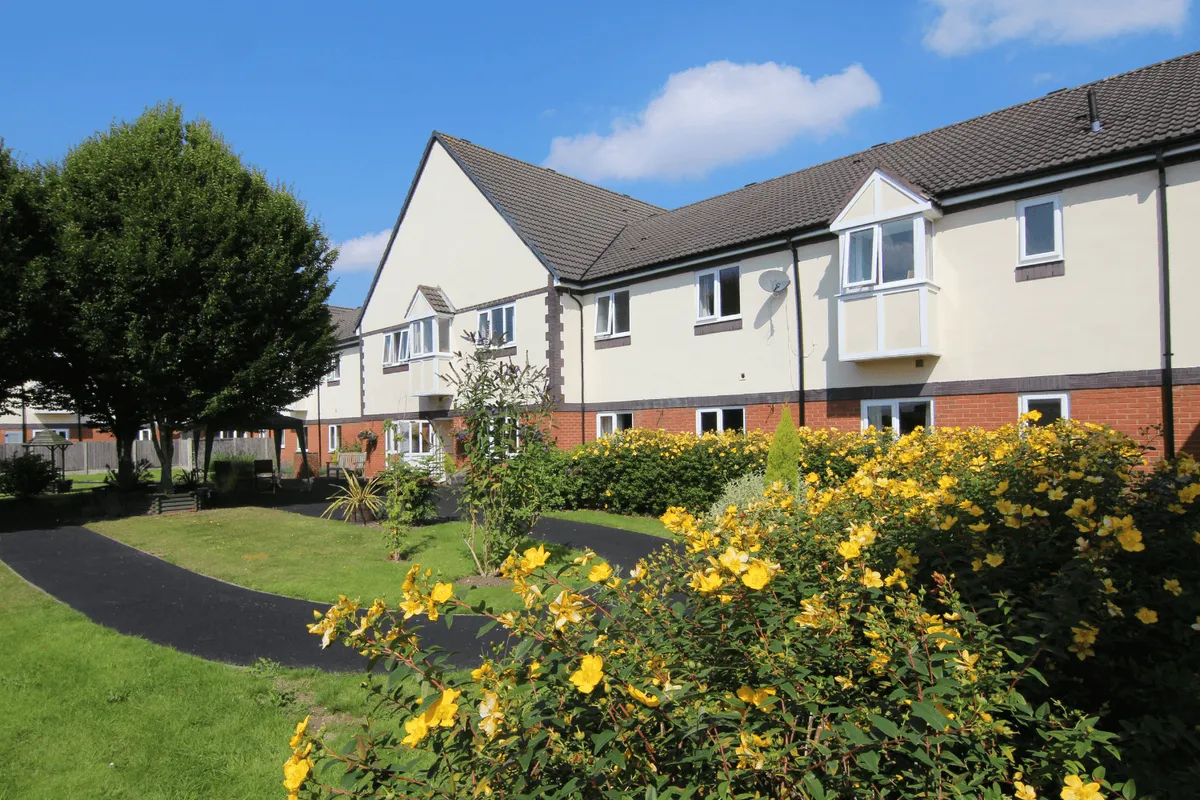
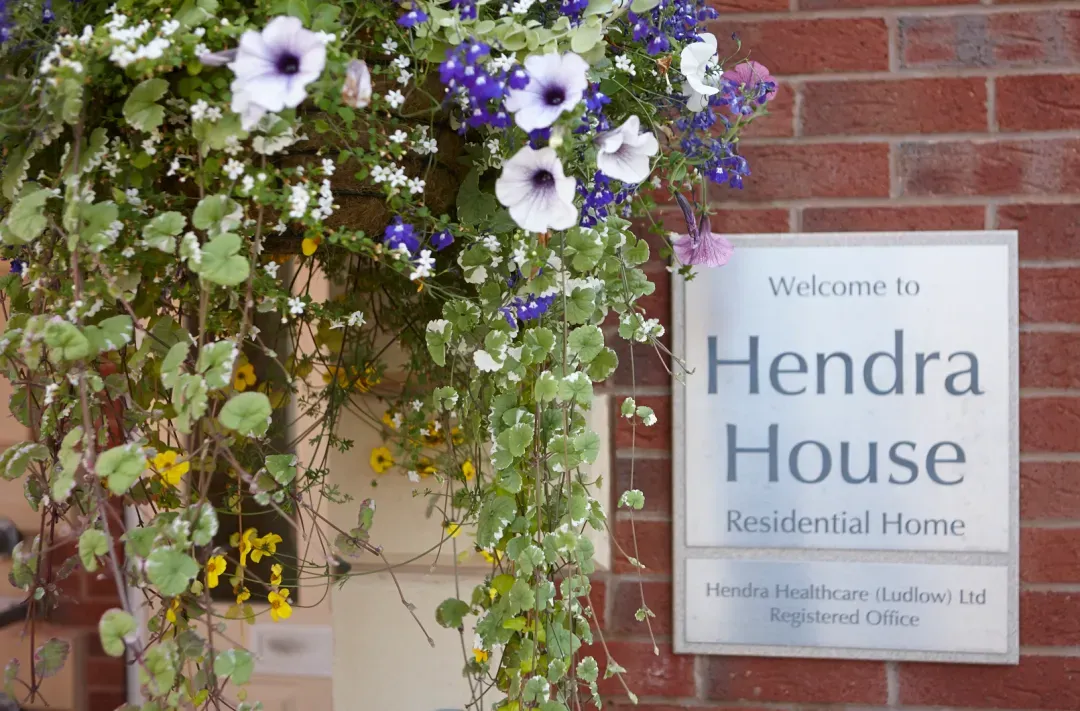
  • Hendra House: Integrates horticultural therapy tailored specifically for residents living with dementia, supporting cognitive retention through meaningful activity.

Supporting Your Loved Ones Through Gardening

If you’re seeking a care home for an elderly relative who cherishes gardening, consider those that prioritize hobby-based care. Encourage your mum or dad to share their gardening stories and preferences, so care teams can design activities that feel personal and fulfilling.

Care homes focusing on hobbies like gardening support not just physical health but also emotional resilience, crucial for navigating the complexities of ageing with dementia.

Conclusion

Continuing hobbies such as gardening within care-home environments creates invaluable moments of joy, engagement, and comfort. For dementia patients, these familiar activities nurture identity and memory, improving quality of life. Shropshire’s care homes like Oxbrow, Bowbrook, Roden Hall, Barclay Gardens, and Hendra House exemplify best practices in integrating gardening as a core activity that respects and enriches residents’ past passions.

If your mum, or any loved one, is moving into a care setting, consider the vital role hobbies play in care planning and seek homes that encourage their continuation.


Disclaimer: This article is for informational purposes only and does not constitute medical advice. Consult healthcare professionals for personalized care decisions.
A guide to help relatives and parents start and navigate early conversations around their future care decisions

Get your care homes guide

A guide to help relatives and parents start and navigate early conversations around their future care decisions

Maintaining hobbies like gardening improves quality of life for elders in care homes. Discover how Shropshire care homes support residents with dementia through engaging gardening activities.
CareMeans logo

CareMeans

Navigating the Care Journey

Navigating the Care Journey.


Don’t Just take our word for it


Get your care homes guide

A guide to help relatives and parents start and navigate early conversations around their future care decisions

A guide to help relatives and parents start and navigate early conversations around their future care decisions
Questions
What is Nursing care?

Nursing care offers around-the-clock (24-hour) medical and personal support provided by registered nurses and specially trained care assistants for people with complex, chronic or rehabilitative requirements. Nursing care helps manage long-term conditions including assistance with medication management and providing clinical care. Nursing care can be administered in a nursing home or at home. As conditions and needs change, many residents of residential care homes will need to move into a nursing home for more complex care.

Why do I need an LPA?

You need an LPA for a number of reasons: An LPA will help protect your assets and health. Should you lose mental capacity through an accident or sudden illness, without an LPA in place, no one, not even your children or spouse, will have the legal right to manage your bank accounts, pay bills or make medical/care decisions. An LPA will also prevent the stressful and costly legal process in the Court of Protection to rectify this situation. An LPA also allows you to choose someone you trust to take care of your financial and health decisions should you lose mental capacity. It allows you to have a voice in these decisions and does not leave them to the courts, doctors, and social services. An LPA allows you to plan ahead. Accidents and illness can occur at any age, so an LPA is a sensible planning tool. You must have the mental capacity to create an LPA, so planning ahead is crucial.

What is hourly care?

Hourly elderly care is a flexible and personalised service in which caregivers visit homes for a set number of hours per day/week. The service is designed to provide essential support, including cleaning, meals, medication management, and personal hygiene, allowing seniors to remain independent in their own homes. The cost of hourly care can be provided for by social services if this service is deemed necessary following a care assessment. Alternatively, you can use private agencies and carers whom you pay directly. Costs range from £15 to £35, depending on location and provider.


Explore more care homes


When Is Full-Time Care Required in Shropshire: Exploring Care Home and Live-In Care Options

When Is Full-Time Care Required in Shropshire: Exploring Care Home and Live-In Care Options

Comparing Residential and Nursing Care Homes: Key Differences Explained

Comparing Residential and Nursing Care Homes: Key Differences Explained

Exploring Rural Care Homes in Shropshire: A Thoughtful Selection for Quality Elderly Care

Exploring Rural Care Homes in Shropshire: A Thoughtful Selection for Quality Elderly Care

Essential Questions for Choosing Dementia Care Homes in Shropshire

Essential Questions for Choosing Dementia Care Homes in Shropshire

Navigating the Care Journey.