.png)

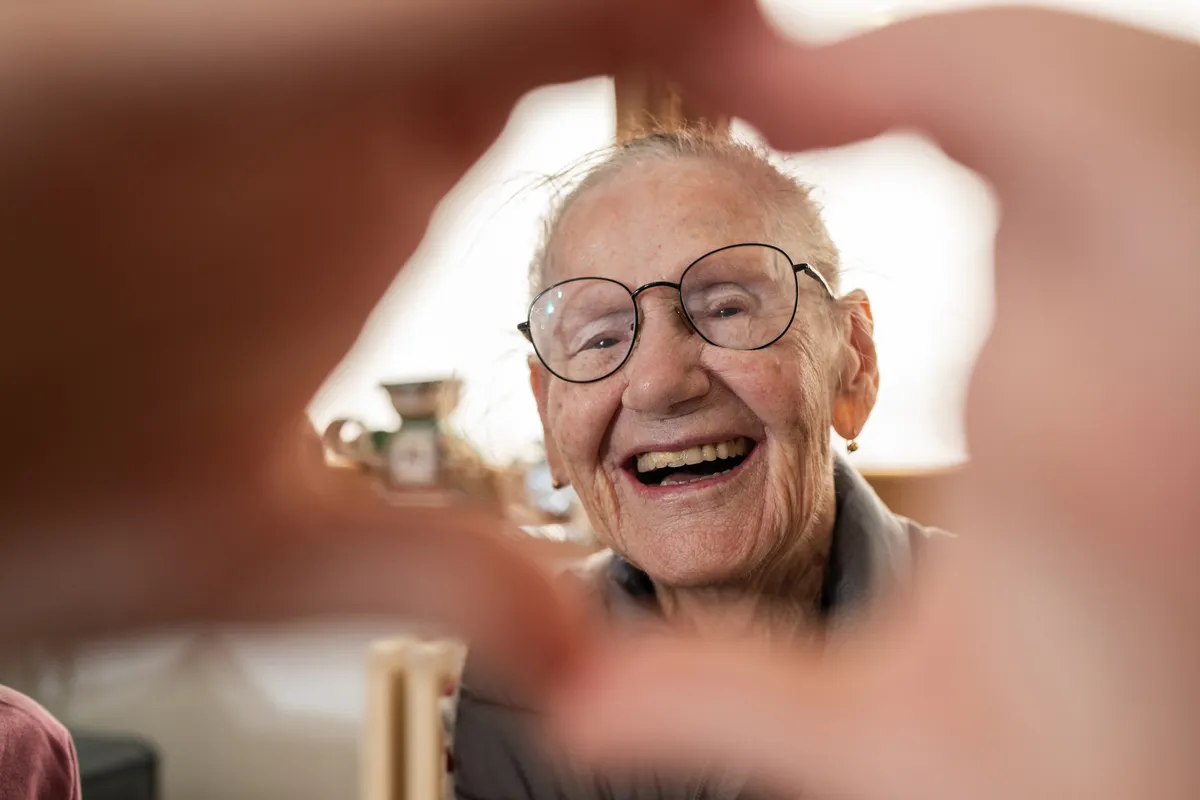
Maintaining independence remains a cornerstone of well-being for many older adults. Staying at home, in familiar surroundings among trusted friends and neighbours, offers significant improvements in mental health and reduces anxiety. The emotional comfort drawn from a known environment allows elderly individuals to sustain a sense of identity and dignity. However, challenges such as decreased mobility, domestic accidents, and cognitive decline can threaten this independence.
The Significance of Independent Living
Living at home contributes positively to the mental and emotional health of elderly adults. Familiar settings provide cognitive reassurance and social connections that improve mood and reduce feelings of isolation,common contributors to anxiety and depression among the elderly. NHS studies emphasize that people report greater contentment and a higher quality of life when supported to live independently at home rather than in institutional settings.
Risks That Can Compromise Independence
According to UK government data, falls constitute one of the leading causes of injury among older adults at home, contributing to hospital visits and long-term care admissions. Statistics show that each year approximately 1 in 3 adults over 65 in the UK experience a fall, often resulting in fractures or other serious injuries. Reduced mobility exacerbates these risks, limiting the ability to perform daily activities safely.
Beyond physical challenges, cognitive decline such as dementia impacts essential tasks like managing medicines and personal hygiene, increasing dependence. Domestic accidents,ranging from slips to burns,also pose considerable threats within the home environment.
The Role of Domiciliary Care in Supporting Independence
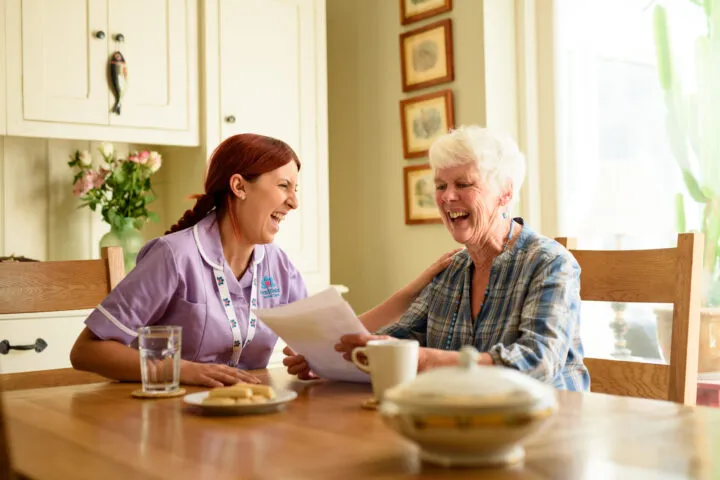
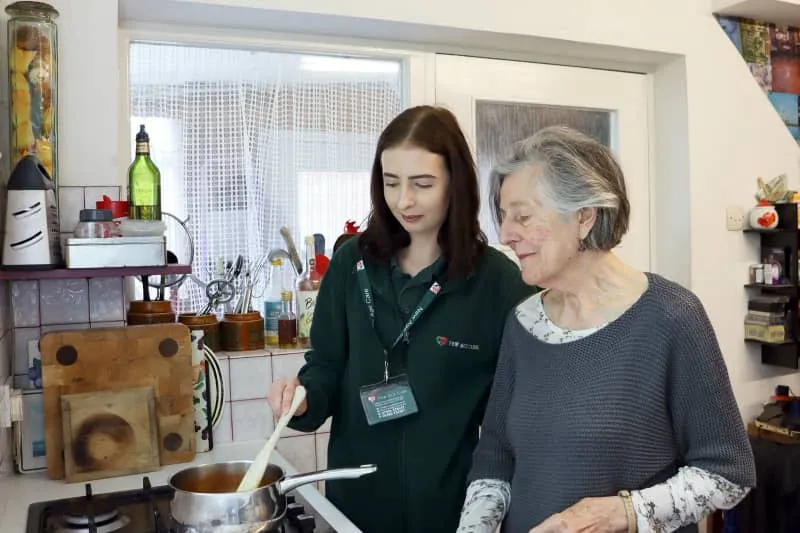
Domiciliary care services offer practical support that effectively extends the time older adults can safely remain in their homes. Providers such as Novus Care and SureCare Shropshire deliver personalised home-care plans tailored to individual needs, encompassing assistance with medication management, personal hygiene, mobility support, and companionship.
These services not only mitigate accident risks by ensuring safe environments and appropriate supervision but also promote autonomy by encouraging participation and decision-making. For example, live-in care from New Age Care allows continuous support, while respite and specialist care options provide relief and targeted assistance.
Specific Benefits of Professional Home-Care
- Enhanced Safety: Carers help prevent falls and manage hazards within the home setting.
- Medication Management: Timely support ensures compliance with prescribed medicines, reducing health complications.
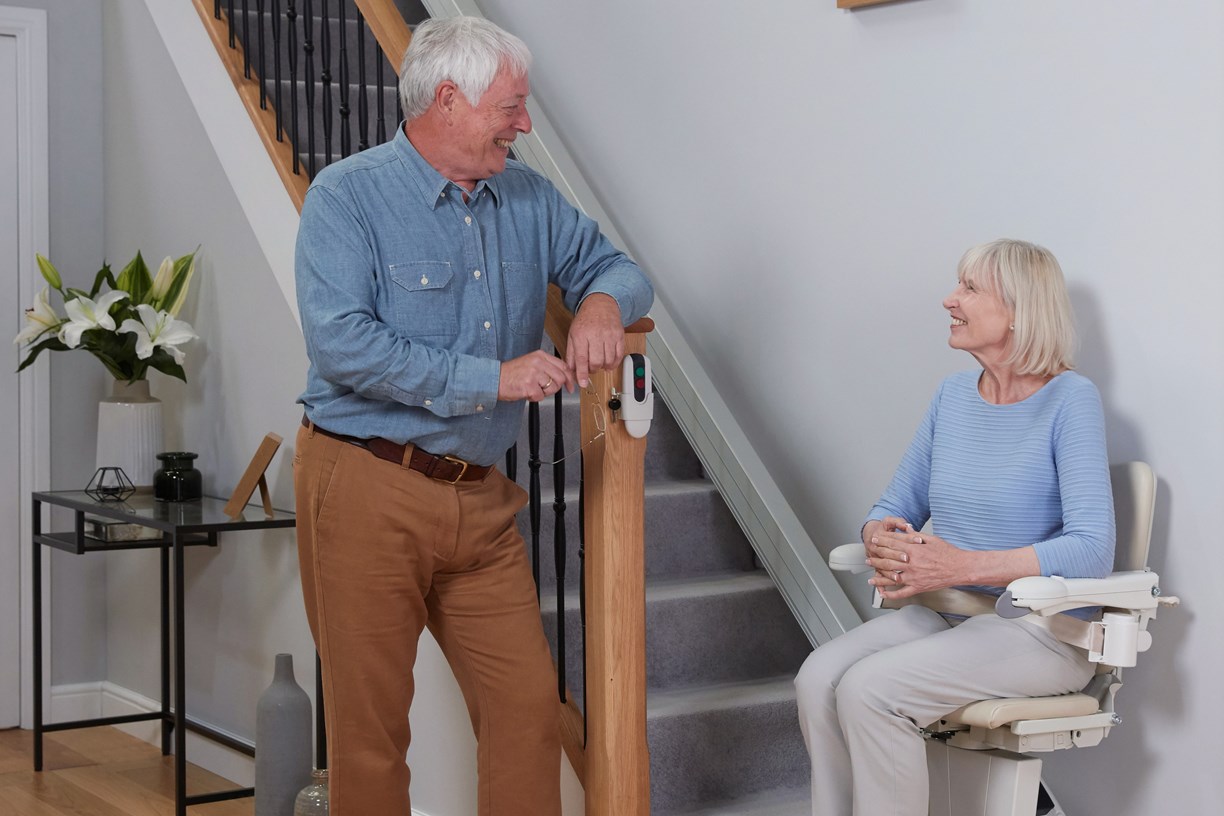
- Mobility Assistance: Tailored physical support allows sustained movement and independence.
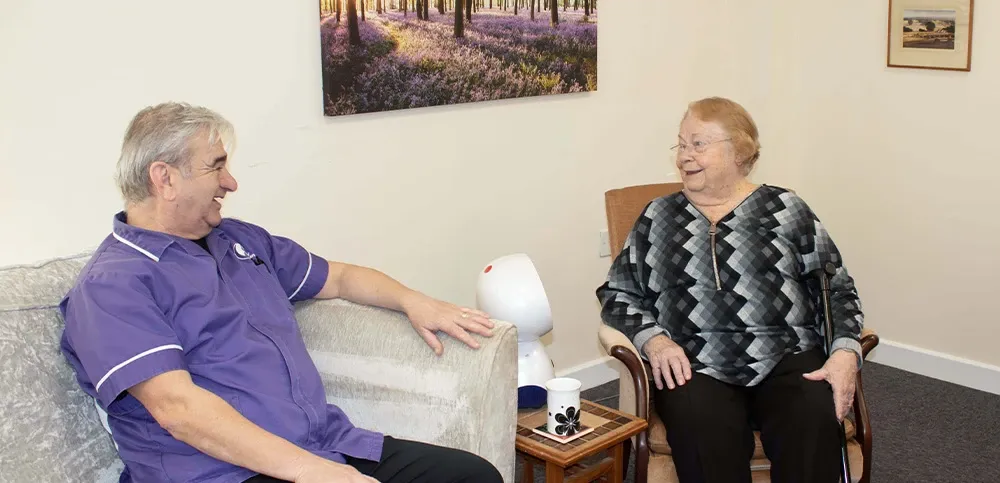
- Emotional Support: Regular interaction with trusted carers combats loneliness and anxiety.
- Coordination with Healthcare: Providers like SureCare Shropshire collaborate with clinical teams to comprehensively meet health needs.
Choosing the Right Care Provider
Selecting a domiciliary care service that respects personal preferences and individual requirements is crucial. Award-winning providers such as Novus Care bring over 14 years of expertise in delivering compassionate, reliable care nationwide, emphasising the philosophy that home is where the heart truly belongs.
In conclusion, domiciliary care represents a vital component in the care journey, empowering elderly individuals to remain independent within the comfort and security of their own homes. By addressing key risks and providing tailored support, home-care enables improved quality of life and preserves the mental and emotional well-being of older adults navigating the challenges of aging.