.png)

Choosing the right care home for an ageing parent or yourself can feel daunting amid the multitude of options and information overload. To make an informed decision, it’s important to look beyond surface-level data and dig deeper into multiple aspects of a care home’s quality and environment.
1. Starting with CQC Ratings and Reports
The Care Quality Commission (CQC) ratings provide a helpful initial snapshot of care home standards, grading homes from 'Outstanding' to 'Inadequate' based on safety, effectiveness, care, responsiveness, and leadership. However, it’s critical to check the date of the most recent inspection on the CQC website. Due to backlogs in inspections over recent years, some homes haven’t been evaluated recently, which can affect the relevance of the ratings. Reviewing the full inspection reports rather than relying solely on star ratings uncovers detailed insights into specific strengths or concerns.
2. Check Independent Resident and Family Reviews
Online reviews from residents and their families can reveal everyday experiences and satisfaction levels not always captured by formal assessments. Platforms such as Age UK and community forums often host candid accounts of care quality, staff attitude, and the home atmosphere. These perspectives can help identify consistent positives or red flags, supplementing official data.
3. Staffing Quality and Retention
A vital factor in quality care is the workforce behind it. Investigate the carer-to-resident ratio; a lower ratio typically means more individualised attention. Consider how many staff are permanent versus temporary or agency workers, since high turnover or reliance on temporary staff can affect continuity and relationships. Well-supported, consistent staff contribute to better care and resident wellbeing.
4. Mealtime and Dining Experience
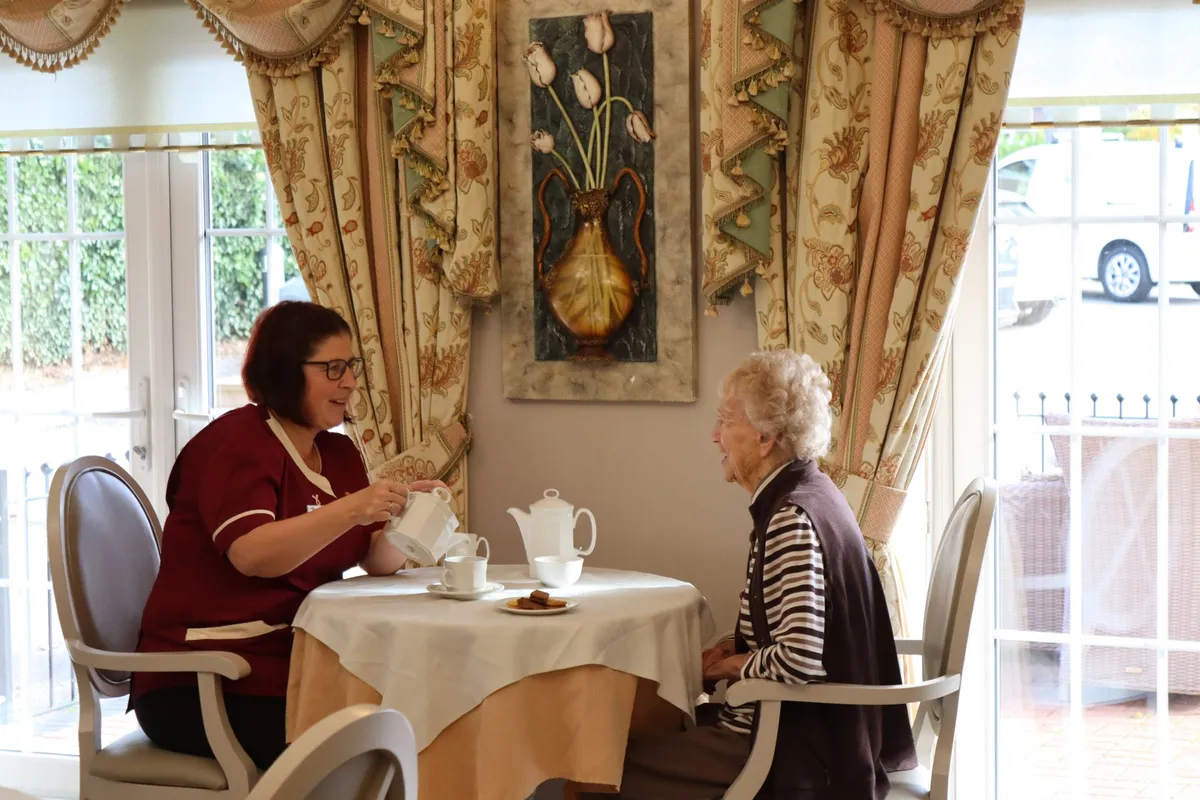
Nutrition and social interaction during meals significantly affect residents' happiness and health. Evaluate whether food is freshly prepared on-site and if residents have a variety of choices that cater to dietary needs. Also observe the dining environment: is it relaxed and sociable? Allowing sufficient time to eat without rush ensures residents enjoy their meals comfortably and maintains dignity.
5. Safeguarding and Management History
Explore whether local safeguarding alerts have been raised against the home or if there have been frequent or abrupt changes in management, which may signal instability. Additionally, check the provider’s wider portfolio; if a company operates multiple homes with repeated quality issues, this may indicate systemic problems.
Applying These Insights to Care Home Options
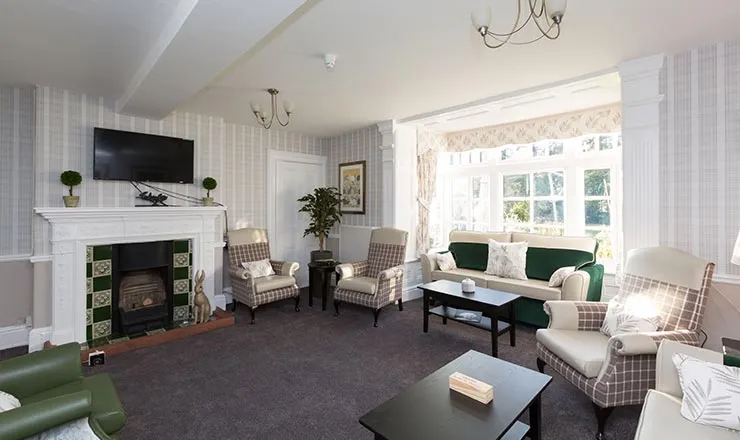
For example, River Meadows Nursing Home offers personalised care plans created inclusively with residents, family, and healthcare professionals, housed in a well-maintained environment designed for comfort and socialising. Their spacious lounges and conservatory enhance residents’ quality of life.
Beech House Nursing Home, part of SpringCare’s network across multiple regions, emphasises compassion and personalised support, reflecting attention to staffing and individual needs.
Meanwhile, Whittle Hall Care Residence provides specialised dementia and complex care in a warm, homely atmosphere, with exceptional one-on-one attention, key for those needing specialised support.
Conclusion
Evaluating care homes requires a multi-dimensional approach combining official inspections, personal reviews, staffing practices, daily living conditions, and management stability. Through careful research using these top five evaluation methods, you can confidently shortlist care homes that best meet the needs and preferences of your loved ones, ensuring their comfort, dignity, and wellbeing in their next chapter.