.png)

Recognising the Early Signs: My Mum’s Hidden Struggle in Spain
Living in Spain, my mum initially masked the early symptoms of dementia. It was difficult to witness her gradual decline,her relationships became erratic, confusion increased, and managing her schedule and basic tasks grew impossible. This deterioration accelerated after my father passed away, as he had been shielding us from noticing the full extent of her condition.
I struggled with guilt for not recognising the signs sooner. In hindsight, more knowledge about early dementia signs would have helped us support her better during the initial stages. Common early symptoms of dementia include:
- Memory loss affecting daily life
- Difficulty performing familiar tasks
- Confusion with time or place
- Challenges in planning or problem-solving
- Changes in mood or personality
- Withdrawal from social activities
The Challenge of Relocation and Realising Our Limits
We brought mum back to the UK to live with us for a month. This period was heartbreaking; the unfamiliar environment confused her deeply and revealed the extent of her illness. Although we wanted to care for her, we soon realised we lacked the skills and experience to provide adequate home care.
Former hobbies that once brought mum joy,gardening, reading, puzzles,lost their appeal. She was grieving the loss of her husband of 60 years, uprooted from her home of two decades, and facing dementia’s middle stages. The mix of grief, depression, and cognitive decline was overwhelming.
Choosing Residential Care: Finding the Best Support
Exploring care options felt daunting amid overwhelming information. Ultimately, we chose a residential care home, recognising mum’s need for specialised care and safety. She now lives comfortably in an environment tailored to her needs.
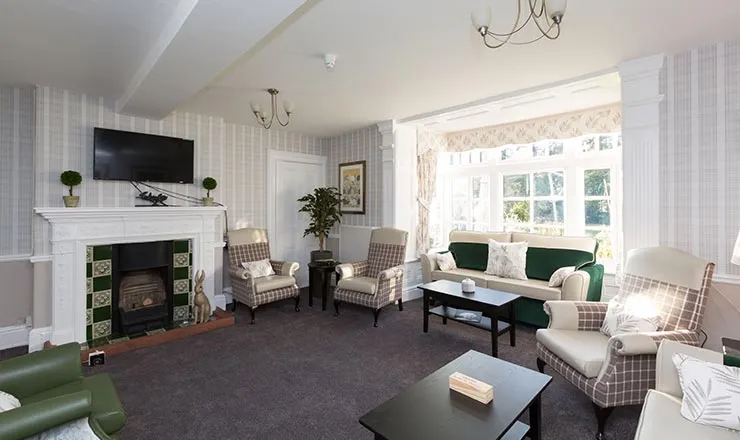
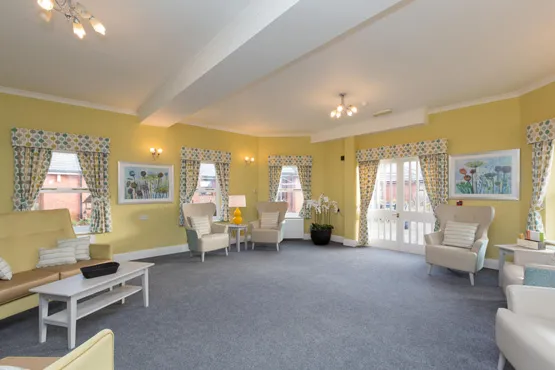
Specialist facilities like St Georges Park Care Home in Telford provide compassionate dementia care, with trained teams understanding and responding to the condition’s unique challenges. Such homes offer peace of mind, knowing loved ones are supported around the clock.
Lessons Learned from a Year of Care Home Experience
The emotional journey continues beyond placement:
- Feelings of guilt and sadness after visits are harder than anticipated.
- Carers in homes are devoted professionals deserving of recognition.
- Mum’s personality changes reflect the illness, not who she truly is.
- Hurtful words come from disease progression, requiring patience.
- Outings brighten her mood; we aim for several each week.
- Reminiscing about her past sparks vitality, even as present awareness fades.
- Her sense of humour remains, albeit expressed differently.
- Occasionally, mum interacts with imaginary companions, offering comfort.
- The role reversal,from caretaker to cared-for,is poignant but underscores enduring bonds.
Supporting Carers Through the Emotional Rollercoaster
Making the decision for residential care often leaves carers faced with grief and uncertainty. Resources for support include Dementia UK’s guidance on care homes and Age UK’s advice on moving into a care home.
Additionally, home care providers like Novus Care offer the option to support loved ones in familiar surroundings, promoting independence while providing expert assistance. For those seeking a more personalised residential care experience, Beech House Nursing Homes across the Midlands and North West focus on tailored care that values each individual.
Navigating the Care Journey Together
Dementia profoundly changes family dynamics and demands difficult choices. Understanding early signs, recognising limitations, and exploring supportive care options empower families to provide compassionate care. Though challenging, accepting specialised environments like St Georges Park or Beech House can ensure our ageing loved ones live with dignity and comfort.
Above all, remember the person beyond the illness,their humour, memories, and the lifelong relationship that endures. With knowledge, support, and empathy, families can navigate this journey with hope and resilience.