.png)
Bathroom Safety: Recognising the Signs and Risks
The bathroom is statistically the most hazardous room in the home for seniors. According to the National Institute on Aging, up to 80% of all indoor falls among older adults happen here. Caregivers and family members should be vigilant for signs that their ageing relatives are struggling with bathroom safety. These signs include difficulty rising from the toilet, frequent night-time bathroom visits accompanied by unsteadiness, or reluctance to use the bathroom alone.
Particularly concerning are falls near toilets , they account for around 23.4% of bathroom injuries. Data from the BMJ Open Journal indicates the majority of these toileting accidents (63.3%) occur between midnight and 6 a.m., a time when older adults may be disoriented or have impaired vision. Such statistics underscore the need to proactively address bathroom hazards to reduce fall risk.
Evaluating Bathroom Adaptation Options
Adapting bathrooms for elderly care involves a spectrum of interventions, from simple additions to complete remodels. It is natural to consider cost and feasibility, but investing in these modifications can offer significant benefits, including extended independent living and avoidance of costly care home fees.
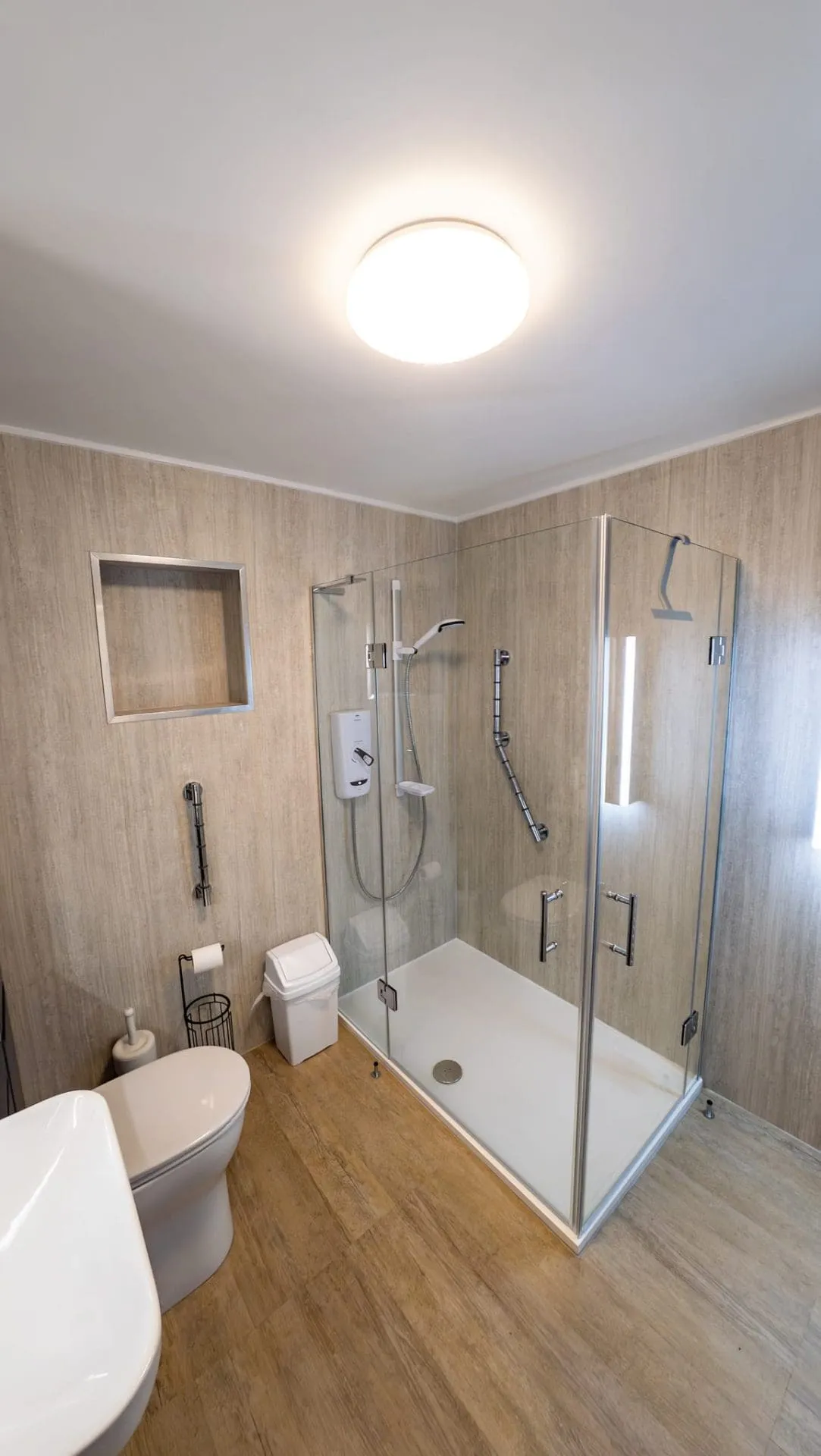
Basic adaptations might include installing non-slip mats and grab handles around the toilet and bathtub, as well as enhancing lighting to improve visibility during night-time visits. These incremental changes can immediately reduce risks and are accessible starting points for families.
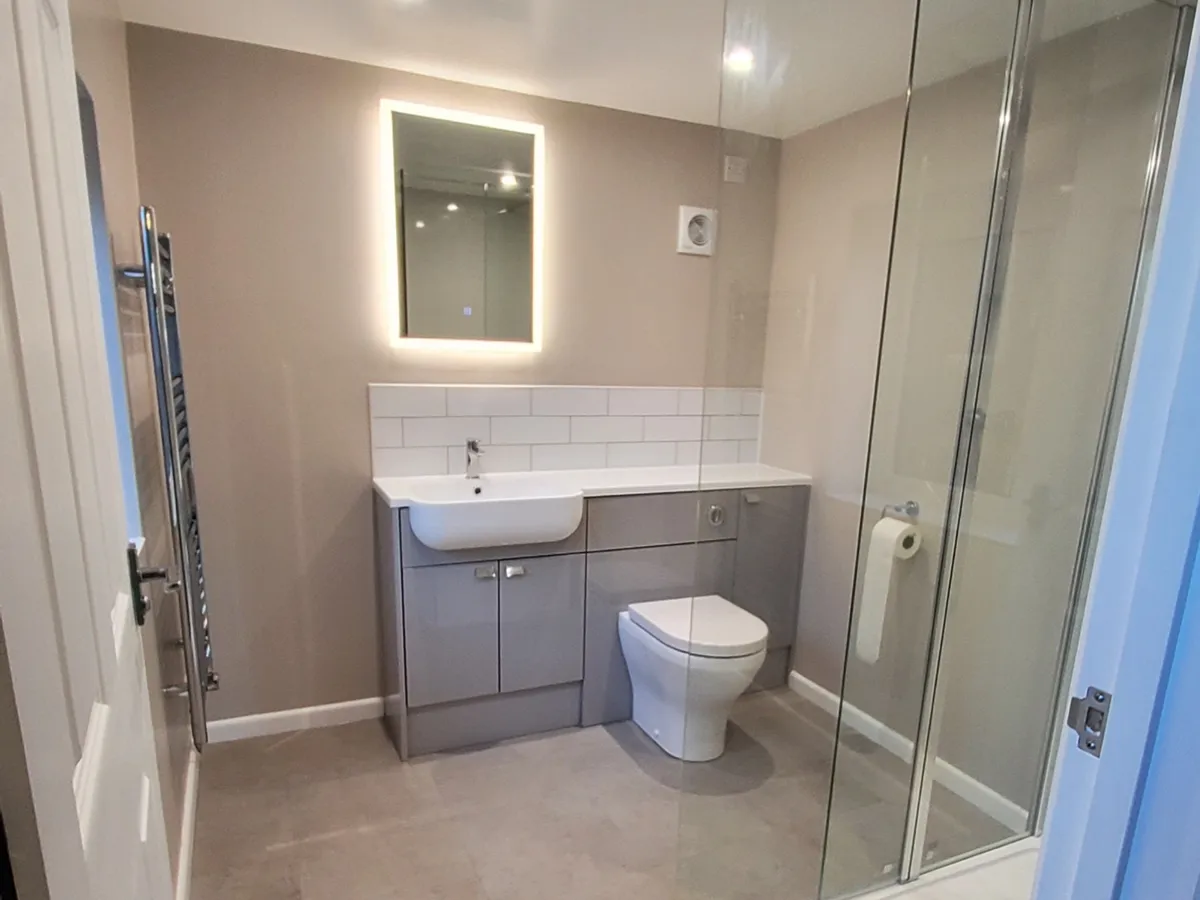
For more comprehensive safety and comfort, companies like Shropshire Bathrooms in Telford offer full accessible bathroom conversions. They bring over 45 years of experience installing features such as non-slip Altro flooring and easy-access fixtures, creating truly safe environments for seniors.
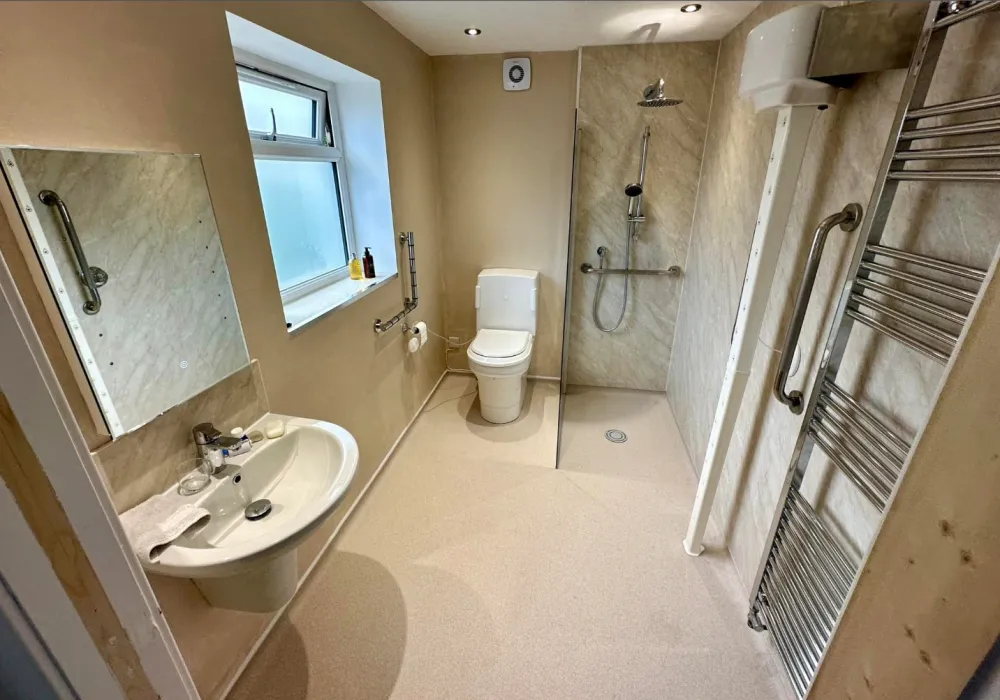
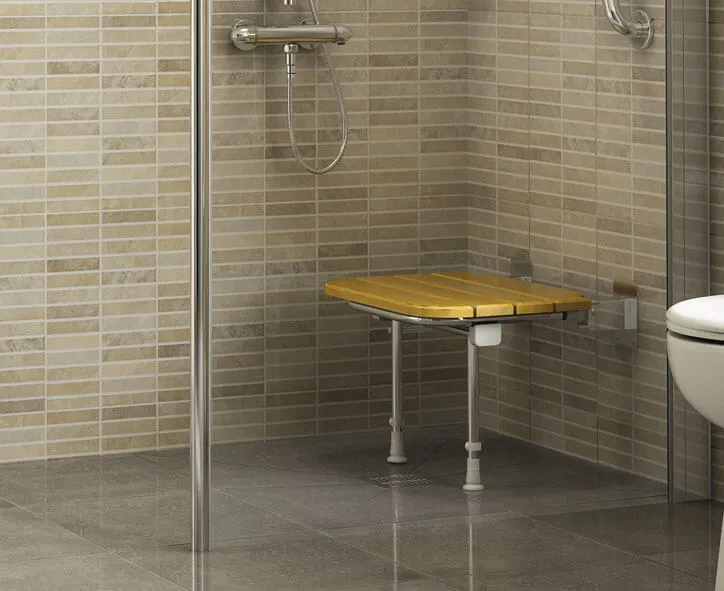
Walk-in showers, level-access wet rooms, and easy-height toilets represent higher-level adaptations ideal for seniors with mobility challenges. Love Mobility specialises in these types of installations, providing free home assessments conducted by clinical experts. Their walk-in showers come with fold-down seats enhancing safety while preserving independence.
Similarly, Milne Installations offers bespoke bathroom designs ranging from classic to contemporary styles. They specialise in accessible wet rooms and adaptations for people with disabilities, ensuring the bathroom is both safe and a pleasant sanctuary tailored to personal tastes.
Balancing Cost and Long-Term Value
While full bathroom refurbishments can represent a significant initial investment, the long-term benefits are tangible. Enhanced safety reduces the incidence of falls and related injuries, which can lead to hospital stays or premature relocation to care homes. By enabling older adults to remain safely in their own homes, these adaptations also promote dignity and quality of life.
Engaging with professional providers who specialise in accessible bathroom modifications ensures solutions are tailored to individual needs and comply with safety standards. Whether selecting non-slip surfaces, installing grab bars, or planning a complete wet room conversion, prioritising functional design can transform the bathroom from a hazard to a haven.
Conclusion
Caring for ageing relatives involves anticipating and mitigating risks, particularly in the bathroom, where most indoor falls occur. Early signs of struggle should prompt assessment and proactive adaptation. From simple safety aids to expertly designed wet rooms by providers like Love Mobility, Milne Installations, Shropshire Bathrooms, and Ash Plumbing & Bathrooms, numerous options exist to create secure, comfortable bathing environments.
Investing in these adaptations not only prevents injuries but supports seniors’ desire to maintain independence and live comfortably at home. Navigating the care journey includes understanding these vital modifications as foundational steps toward safer, more empowering daily living.