.png)

Caring for ageing parents or elderly relatives often leads families to ask a pivotal question: when is full-time care required in Shropshire? As health conditions progress or safety concerns increase, occasional support may no longer suffice. Families face complex decisions about whether to continue home care, consider live-in care, or move loved ones into a residential care home.
At Care Means, we recognise that full-time care needs are unique to each individual’s situation. Our goal is to educate and empower families aged 45-70, as well as elderly individuals themselves, to navigate this critical stage thoughtfully , considering not only care requirements but quality of life, independence, and personal preferences.
Understanding When Full-Time Care Becomes Necessary
Full-time care is typically required when an individual’s physical or cognitive needs surpass what can be safely managed through part-time support. Indicators may include frequent falls, worsening dementia, or inability to perform daily living activities independently. In Shropshire, families often consult local professionals to assess these needs, weighing options available locally.
Care Home Options in Shropshire
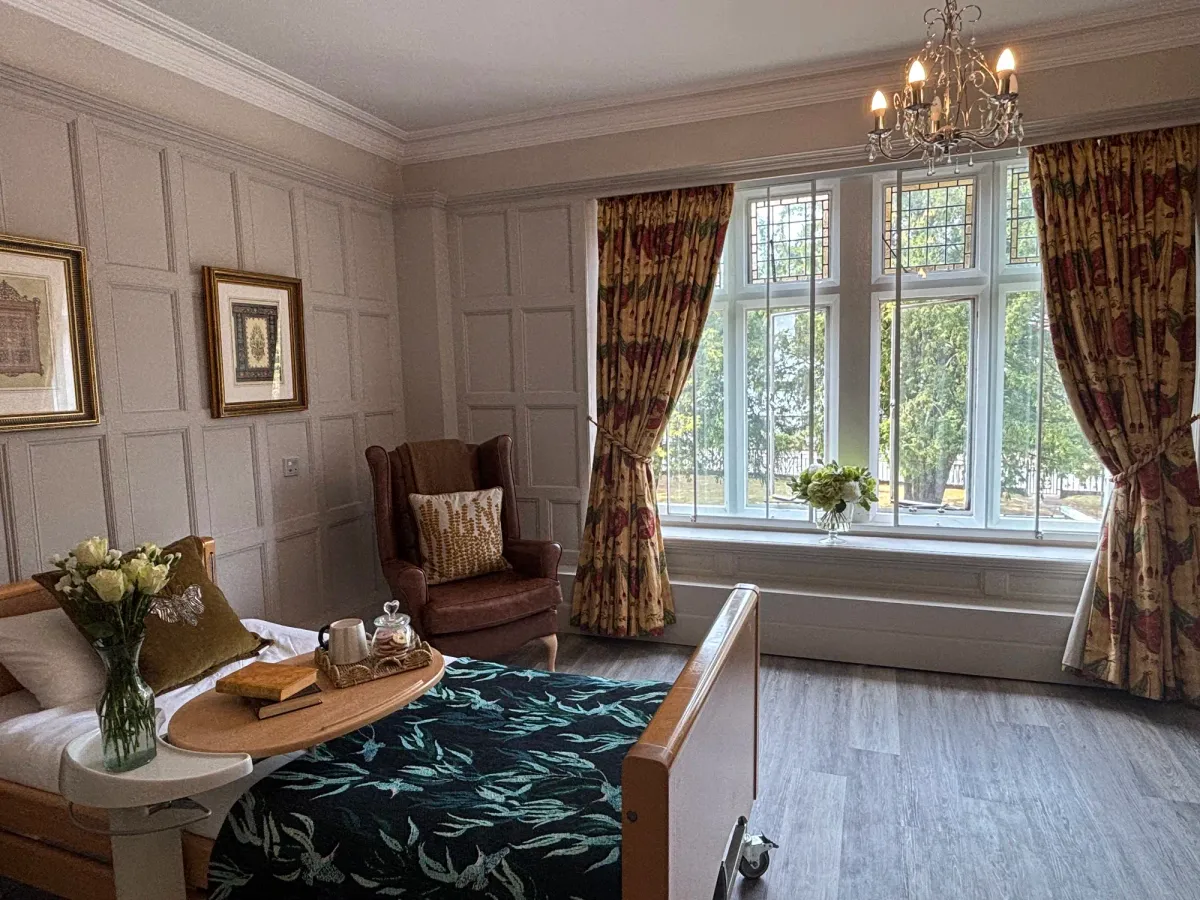
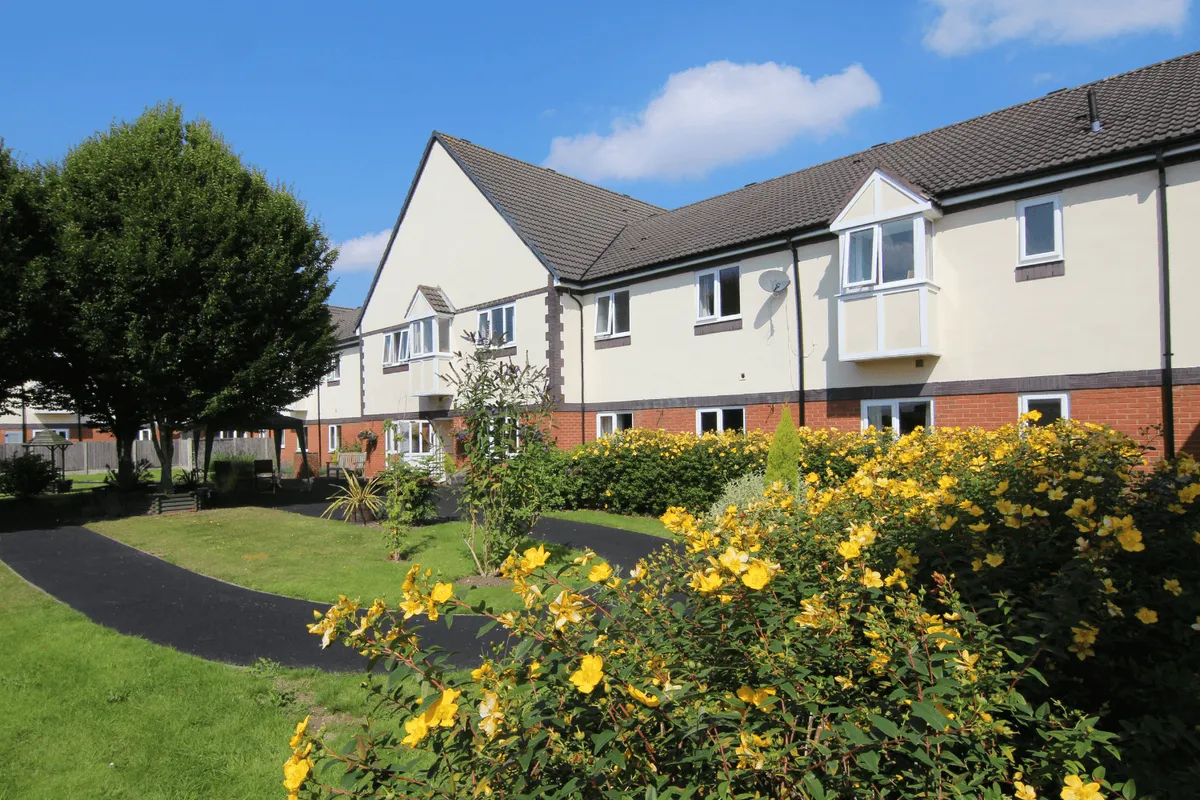
Residential care homes provide round-the-clock support in a dedicated setting, offering safety, companionship, and specialist services. For example, Roden Hall Care Home, situated conveniently between Shrewsbury and Telford, offers residential, nursing, and respite care with a focus on dignity and professional expertise. Similarly, Landona House in Shrewsbury combines a homely, Grade II-listed environment with skilled carers and tailored support for dementia and other conditions.
Benefits of such care homes include 24-hour support, structured activities to enhance social connection, and relief for family carers. However, adjusting to a new environment and leaving familiar surroundings can be emotionally challenging for many.
Exploring Live-In Care in Familiar Surroundings
Live-in care is an alternative that allows individuals to remain in their own homes while receiving continual one-to-one professional support. This option preserves familiar routines, environments, and independence,critical factors for many elderly people. It can be particularly beneficial for those attached to their local Shropshire community and wishing to maintain established social ties.
Live-in care requires assessing home suitability, potential complexity of needs, and costs over time. Families must consider how overnight support will be managed and whether live-in care can fully meet escalating requirements.
Balancing Care Needs with Quality of Life
Choosing full-time care means more than addressing physical support: it involves prioritising the individual’s happiness, autonomy, and social engagement. A person’s preference , whether to stay at home or move into a setting like Landona House or Roden Hall , should be central to the decision-making process.
Family involvement also plays a significant role in sustaining emotional wellbeing. Proximity and ease of visits often influence choices, especially in rural parts of Shropshire.
Understanding Costs and Funding in Shropshire
Cost is a common concern for families considering full-time care. Charges vary by location, care level, and type of support. Shropshire residents may qualify for local authority funding, NHS Continuing Healthcare, or other schemes. Early guidance on funding availability can help families plan sustainably and alleviate financial stress.
Care Means supports families by clarifying typical care costs, explaining eligibility for funding, and advising on choosing reputable local providers such as Roden Hall and Landona House.
Making Informed Decisions Together
Deciding when full-time care is required and choosing between care homes and live-in care options demands a holistic, compassionate approach. There is no universal answer; instead, each family must balance health needs, living arrangements, support networks, and personal wishes.
By understanding the full spectrum of care solutions available in Shropshire, families can confidently navigate the care journey, ensuring loved ones receive tailored support that honours their dignity and enhances their quality of life.