
Download our practical guides

Get practical and actionable insights

Let's Connect

CareMeans

Specialist Dementia Care in Shropshire Care Homes for Ageing Parents

When dementia symptoms worsen, finding specialist care in Shropshire care homes becomes vital. Explore tailored support options to ensure your loved ones receive compassionate, expert care.

Published by Simon Cholmeley | August 6, 2026

Simon Cholmeley | August 6, 2026

When dementia symptoms worsen, finding specialist care in Shropshire care homes becomes vital. Explore tailored support options to ensure your loved ones receive compassionate, expert care.

Overview

Understanding Specialist Care Needs in Shropshire Dementia Care Homes

Dementia presents unique challenges that evolve as the condition progresses, affecting both individuals and their families. For adults aged 45-70 with ageing parents or elderly individuals aged 70-90, navigating the path to specialist dementia care can be daunting. Understanding the type of care required when dementia symptoms worsen is essential to making informed choices and ensuring the best quality of life.

The Importance of Specialist Dementia Care

As dementia advances, care needs become more complex, requiring specialised environments and trained professionals who understand the condition's nuances. Specialist care homes in Shropshire provide tailored support that goes beyond standard residential care. These facilities focus on creating safe, engaging, and comforting surroundings, integrating therapeutic activities designed to enhance cognitive function and emotional wellbeing.

Features of High-Quality Dementia Care Homes

Quality dementia care homes maintain a person-centred approach prioritising dignity, autonomy, and compassionate support. Key features to look for include:

  • Experienced and Compassionate Staff: Trained in dementia care techniques and managing behavioural changes with patience and empathy.
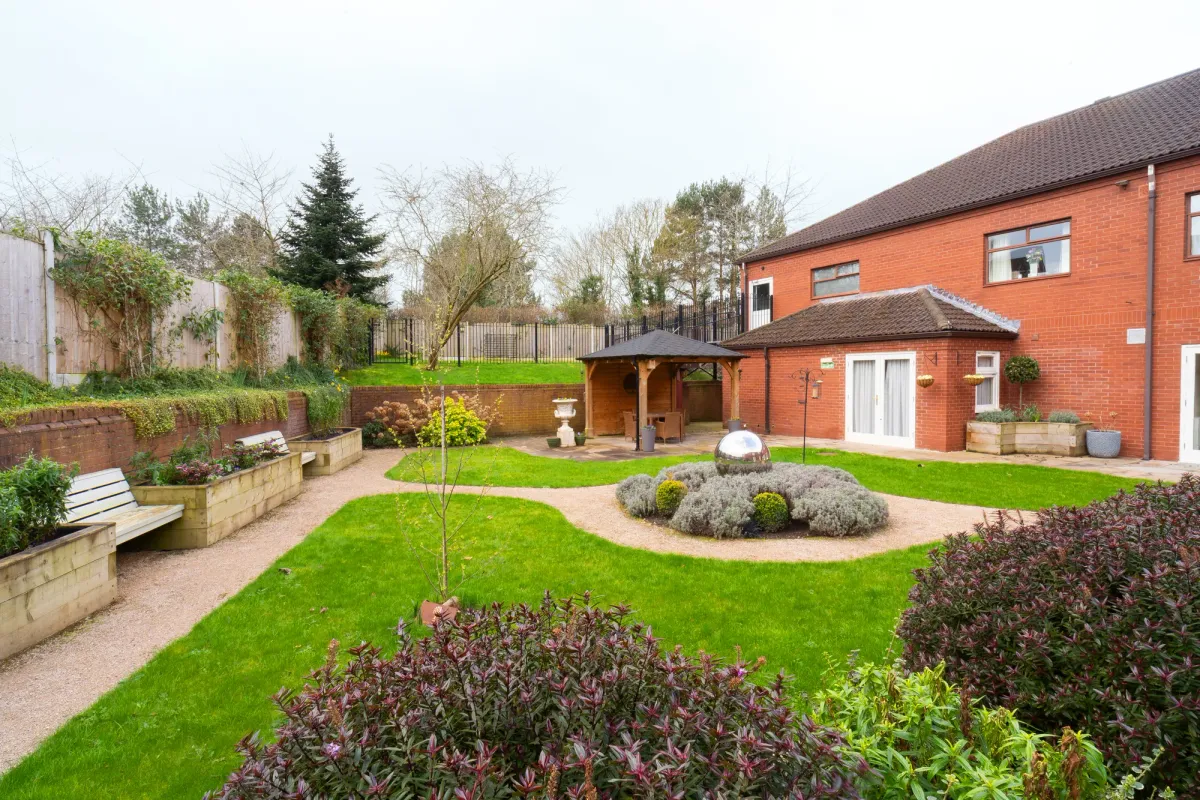
  • Safe and Adapted Environment: Facilities equipped to prevent confusion or injury, with clear signage, secure gardens, and calming decor.
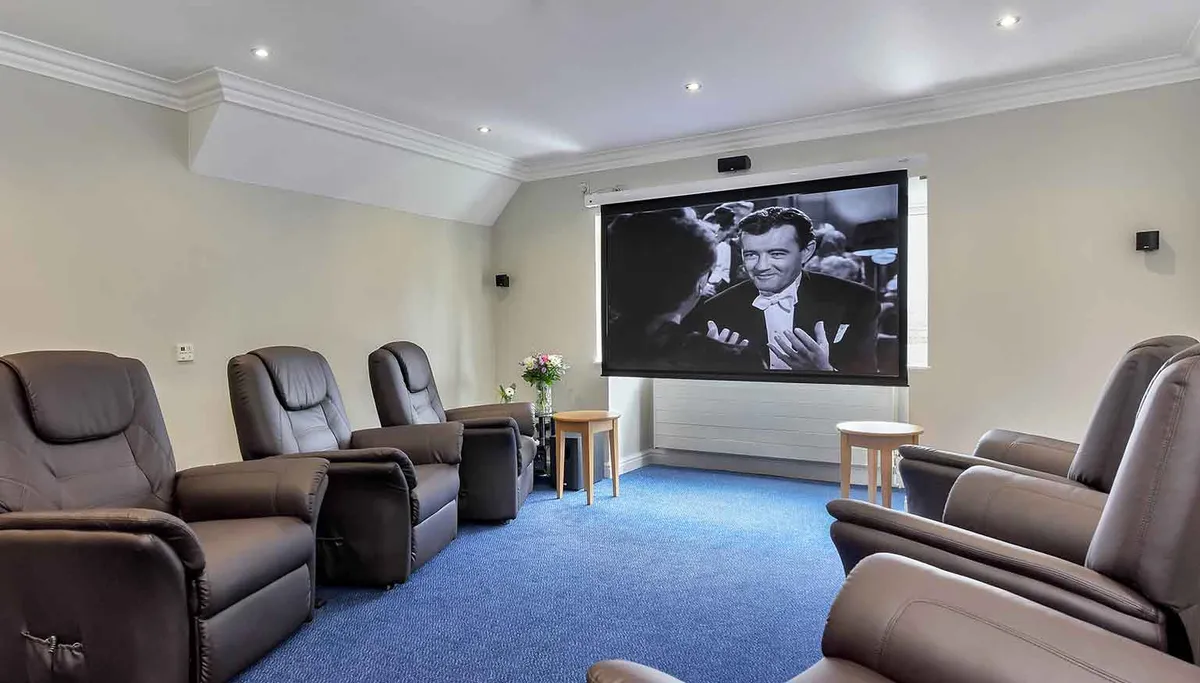
  • Engagement and Stimulation: Structured activities tailored to residents’ abilities, promoting social interaction and mental engagement.
  • Family Involvement: Encouraging family participation to maintain bonds and support networks.

Shropshire Care Homes Offering Specialist Dementia Care

Several care homes in Shropshire stand out for their dedication to specialist dementia support:

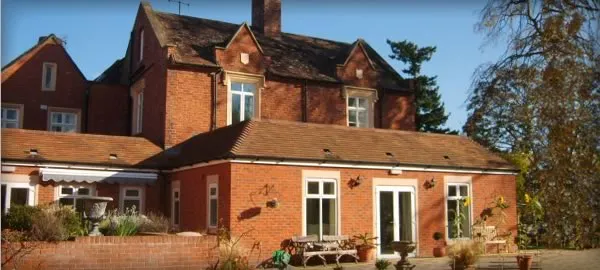
Radbrook Nursing Home sits at the heart of the Radbrook community. Known for high-quality care, Radbrook offers residential dementia care with a dedicated, kind team who ensure residents feel at home regardless of care complexity.

Isle Court Nursing Home provides nursing and residential services with expertise in dementia care, focusing on personalised plans and creating a supportive environment.

Bowbrook House combines comfort with skilled care tailored to those living with dementia, emphasising emotional wellbeing alongside physical health.

Portland House offers a homely atmosphere with experienced carers trained in dementia management, providing stimulation through carefully designed activities.

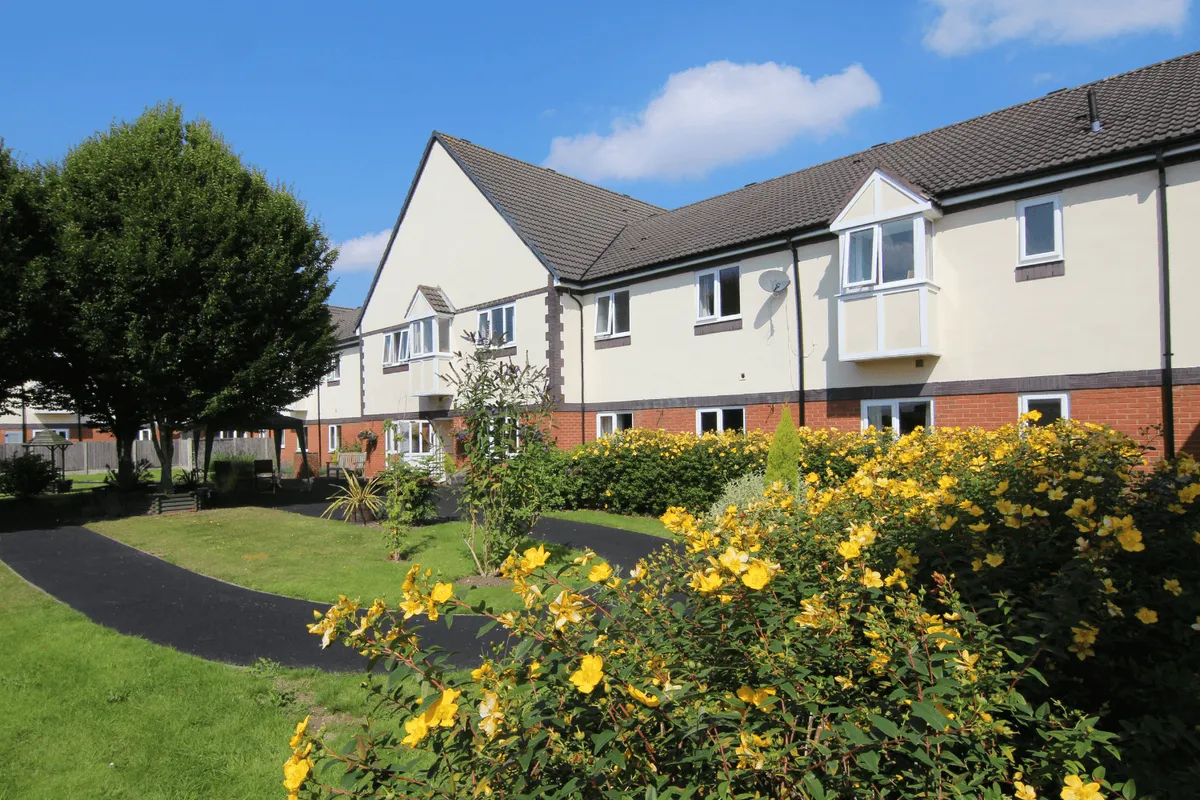
Additionally, St Georges Park Care Home in Telford is specialised in dementia care, where every team member is trained to compassionately respond to residents’ changing needs.

Making the Transition to a Care Home

Transitioning to a dementia care home is a significant step that should be approached with understanding and planning. Families should visit homes where possible, ask about staff training, observe the atmosphere, and discuss individual needs with care managers. Resources such as the NHS guide on dementia care homes provide valuable insights.

Conclusion

When dementia symptoms worsen, selecting a specialist care home in Shropshire tailored to the unique demands of dementia ensures your loved ones receive compassionate support in a safe, nurturing environment. Facilities like Radbrook Nursing Home, Isle Court Nursing Home, Bowbrook House, Portland House and St Georges Park Care Home exemplify the dedicated care approach essential for navigating this stage of the care journey with confidence and compassion.


A guide to help relatives and parents start and navigate early conversations around their future care decisions

Get your care homes guide

A guide to help relatives and parents start and navigate early conversations around their future care decisions

When dementia symptoms worsen, finding specialist care in Shropshire care homes becomes vital. Explore tailored support options to ensure your loved ones receive compassionate, expert care.
CareMeans logo

CareMeans

Navigating the Care Journey

Navigating the Care Journey.


Don’t Just take our word for it


Get your care homes guide

A guide to help relatives and parents start and navigate early conversations around their future care decisions

A guide to help relatives and parents start and navigate early conversations around their future care decisions
Questions
What is a care assessment?

A care assessment (or care needs assessment) is a free, personalised evaluation by local authority social services to determine a person's needs, such as help with washing, dressing, or meals. It identifies eligible support, helps maintain independence, and informs future care planning

What is hourly care?

Hourly elderly care is a flexible and personalised service in which caregivers visit homes for a set number of hours per day/week. The service is designed to provide essential support, including cleaning, meals, medication management, and personal hygiene, allowing seniors to remain independent in their own homes. The cost of hourly care can be provided for by social services if this service is deemed necessary following a care assessment. Alternatively, you can use private agencies and carers whom you pay directly. Costs range from £15 to £35, depending on location and provider.

What is the difference between a POA and LPA?

A Lasting Power of Attorney (LPA) and a Power of Attorney (POA) differ primarily in capacity and duration. POA is temporary and used for financial matters while you still have mental capacity. LPA differs from POA in that they remain in place even if you have lost mental capacity. There are 2 separate LPAs, financial and health & wellbeing. LPAs must be registered and are mandatory for future incapacity planning.


Explore more care homes


Exploring Independent Care Homes Around Shrewsbury: Personalised Care Options

Exploring Independent Care Homes Around Shrewsbury: Personalised Care Options

Specialist Dementia Care in Shropshire Care Homes for Ageing Parents

Specialist Dementia Care in Shropshire Care Homes for Ageing Parents

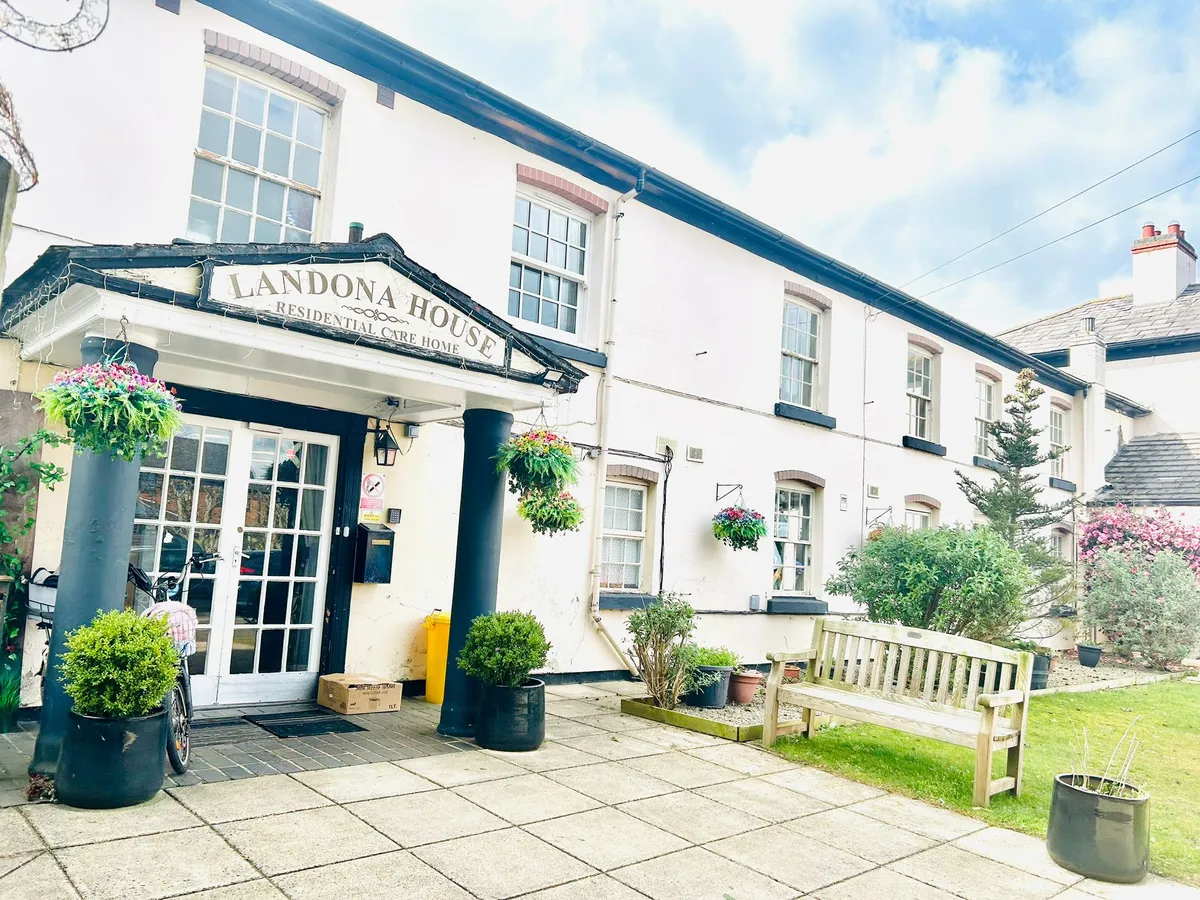
Comprehensive Care and Comfort at Landona House Care Home in Wem

Comprehensive Care and Comfort at Landona House Care Home in Wem

Understanding Who Decides and Pays for Care Homes in the UK

Understanding Who Decides and Pays for Care Homes in the UK

Navigating the Care Journey.