.png)

Choosing a care home is a pivotal decision for families navigating the care journey of ageing loved ones. Understanding the distinctions between residential and nursing care homes can help families make informed choices that best suit their needs. This article breaks down these two types of care, explores combined care options, and draws from trusted examples like Whittle Hall Care Residence, Beech House Nursing Home, and Beechcroft Nursing & Residential Home.
What Is Residential Care?
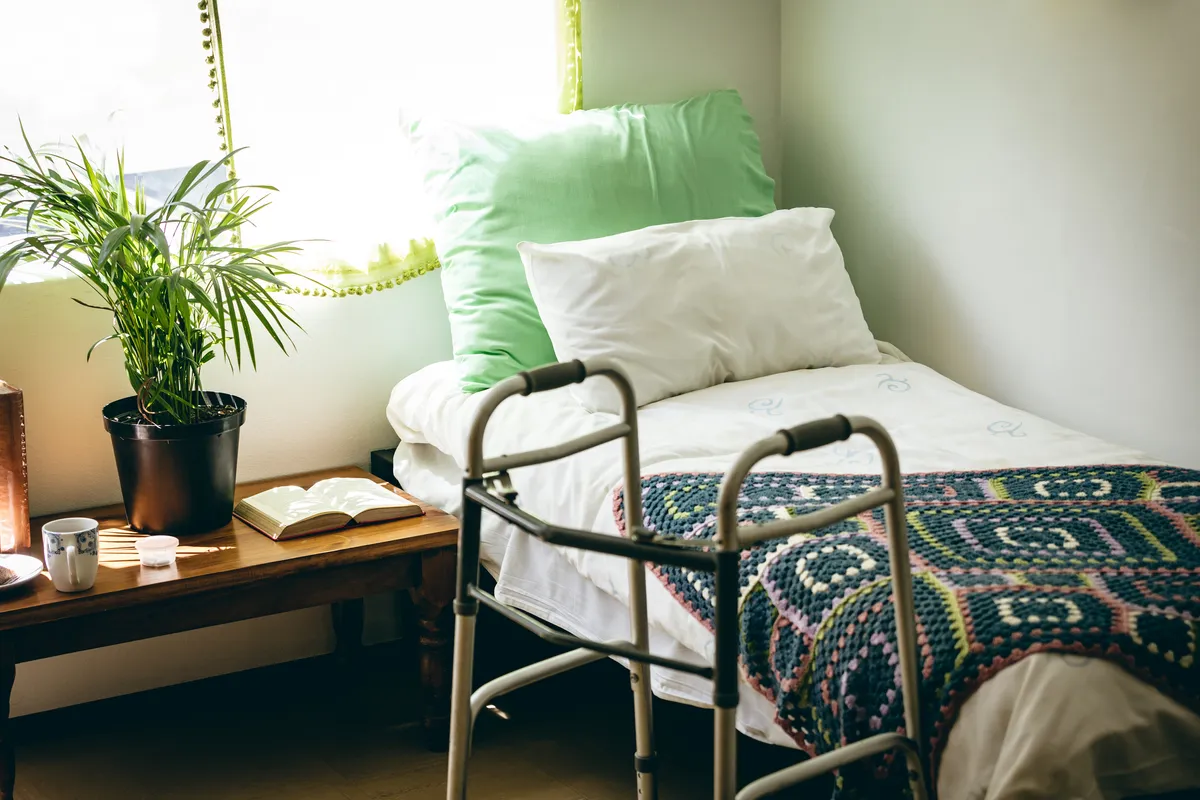
Residential care homes provide accommodation and personal care for individuals who may need some support with daily activities but do not require complex medical care. They focus on ensuring residents are comfortable, engaged, and supported in everyday living tasks such as dressing, eating, and hygiene.
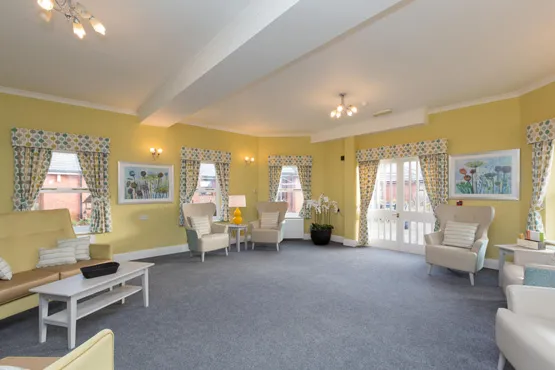
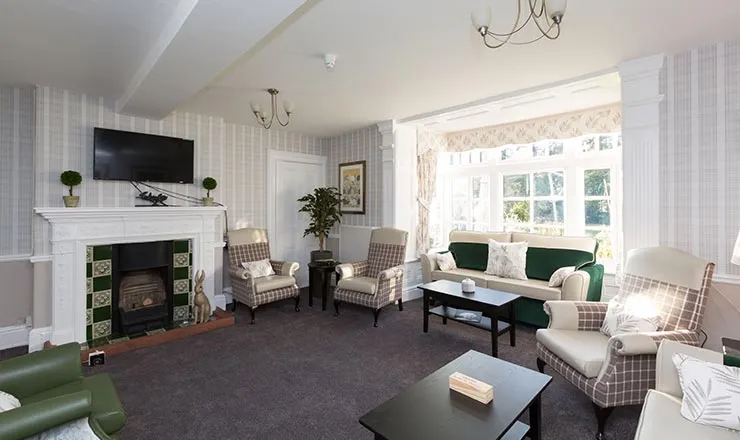
According to the CareMeans Residential Care Home Visit Checklist, a good residential care environment should feel welcoming, with residents appearing clean, comfortable, and engaged. Staff interaction is crucial; carers should be warm and attentive, offering support tailored to individual needs. Facilities often include communal spaces and activities designed to encourage socialisation and maintain hobbies, contributing to residents’ quality of life.
Understanding Nursing Care Homes
Nursing care homes are equipped to provide a higher level of medical support, including 24-hour nursing care. These settings are ideal for individuals with complex health needs or long-term conditions such as dementia, requiring specialised clinical attention.
For example, Whittle Hall Care Residence specialises in dementia nursing and complex care. It combines exceptional one-to-one care with a homely environment, emphasising comfort alongside clinical needs. Similarly, Beech House Nursing Home offers nursing and residential care, ensuring compassionate support tailored for varying care requirements. Nursing homes coordinate closely with healthcare professionals to manage medications, GP appointments, and adapt care plans as conditions evolve.
The Role of Combined Care Homes
Some care homes offer both residential and nursing care, enabling residents to transition seamlessly as their health needs change without moving to unfamiliar settings. Beechcroft Nursing & Residential Home exemplifies this flexible approach; as a family-run facility, it provides high standards of care across the spectrum in a welcoming environment.
This model helps alleviate the stress that can come with changing care needs. Families can feel reassured knowing that staff are familiar with their loved ones, and the environment remains consistent. When visiting such homes, use comprehensive checklists to assess factors like care plans, staff training, activities, and family involvement to ensure suitability.
Key Considerations When Choosing a Care Home
When evaluating care homes, practical questions grounded in the CareMeans checklist can guide your decision:
-
First Impressions: Does the home feel welcoming and clean? Are residents content and well cared for?
-
Staff & Care: How are care plans managed? What qualifications and training do staff have? Are there named care coordinators?
-
Daily Life & Activities: Are residents socially engaged? Are hobbies and outings encouraged?
-
Food & Nutrition: Is there flexibility with meals? Are special dietary needs met?
-
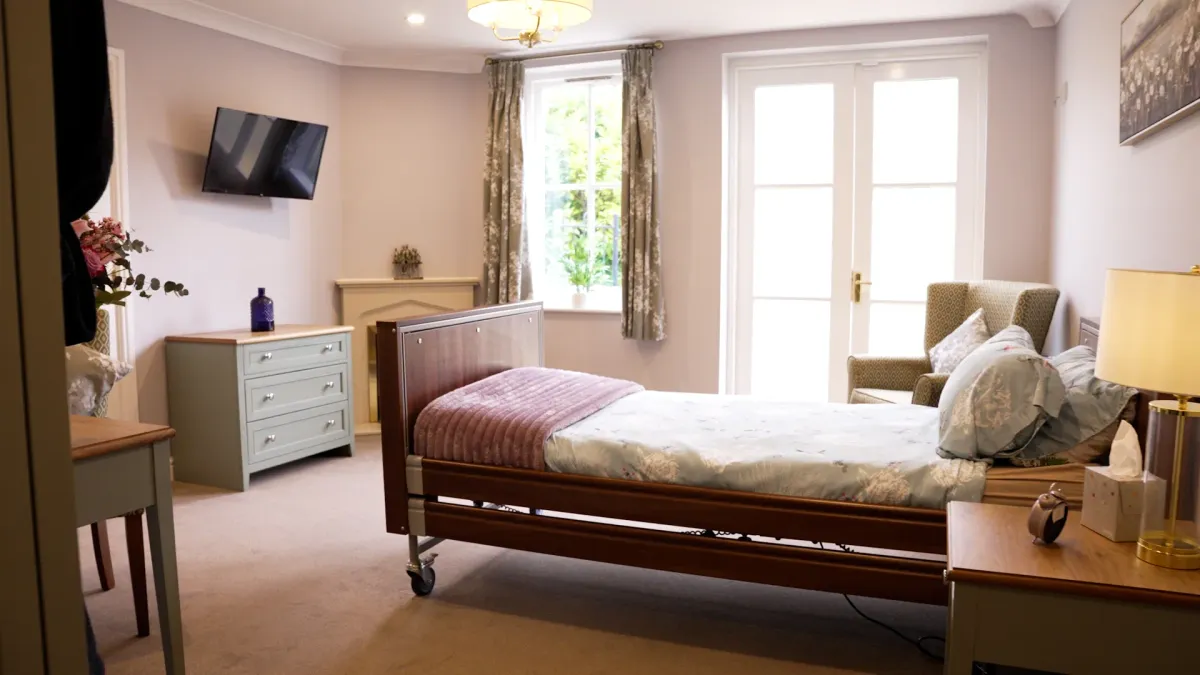
Accommodation: Can residents personalise rooms? Are communal and outdoor areas inviting?
-
Healthcare & Support: How is medication managed? What dementia support is provided?
-
Family Involvement: Are visiting hours flexible? Is communication with families regular and transparent?
-
Costs & Contracts: Understand weekly fees, services included, any additional charges, and notice periods.
Be mindful of red flags such as poor cleanliness, disengaged residents, unclear fee structures, or evasive answers about staffing and care.
Making the Decision
Choosing between residential and nursing care involves considering current needs and anticipating future care requirements. Homes like Whittle Hall, Beech House, and Beechcroft highlight how environments blending warmth and professionalism can create meaningful living experiences.
Reflect on whether the home feels right for your loved one; would they be happy and safe? Use visit checklists to document observations and questions. Remember, the right care home supports dignity, comfort, and engagement at every stage.
Disclaimer: This article is for informational purposes only and does not constitute medical or legal advice. Always consult with healthcare professionals and care experts when making decisions about care homes. The examples referenced are illustrative and should be independently researched to ensure suitability for individual needs.