.png)
Caring for loved ones with dementia brings unique challenges, especially as the condition progresses. For adults aged 45-70 with ageing parents, and elderly individuals themselves, understanding how care homes manage dementia stages is vital. This guide explores compassionate approaches, essential questions for shortlisting care homes, and the benefits of specialised environments.
Recognising the Progression of Dementia
Dementia typically advances through early, middle, and late stages, each requiring different levels of support:
- Early stage: Residents maintain some independence but may need assistance with complex tasks and memory support.
- Middle stage: Increasing confusion and behavioural changes necessitate closer supervision and structured activities.
- Late stage: Around-the-clock care is often essential, focusing on comfort and dignity.
Care homes adapt their strategies to meet these evolving needs, combining medical expertise with empathy.
Key Questions When Choosing a Dementia Care Home
Selecting a suitable care home can be overwhelming. To ensure the right environment and expertise, consider asking:
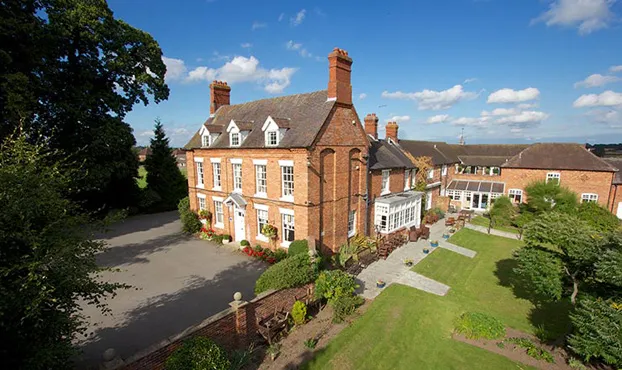
- What training do staff have in dementia care? Look for homes like St Georges Park Care Home, where every team member receives specialised training to respond compassionately.
- How do you support residents through the different stages of dementia? Homes should demonstrate flexible care plans that evolve as residents' needs change.
- What tools or programs are in place to engage residents? Activities tailored to cognitive abilities and sensory needs help maintain quality of life.
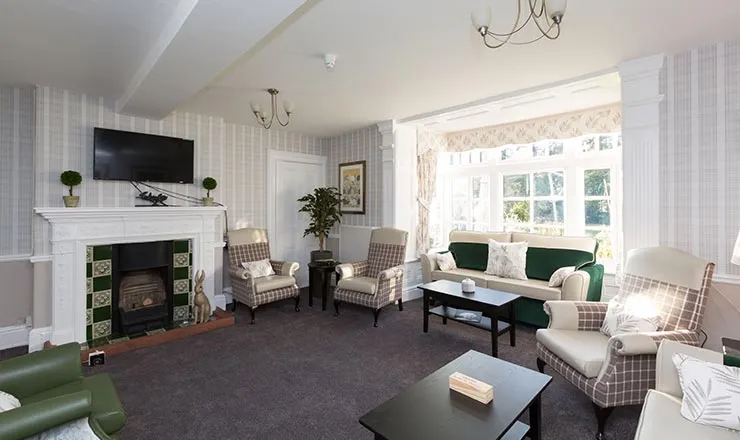
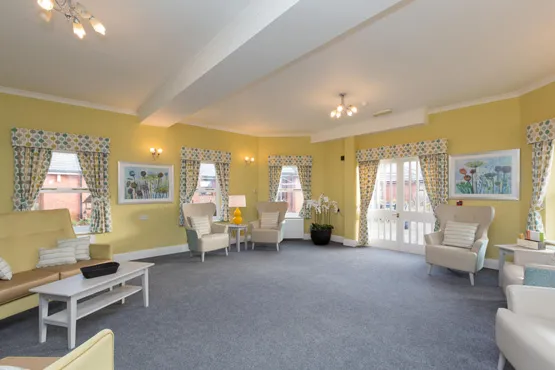
- Is the environment designed for dementia safety and comfort? Features like clear signage, secure gardens, and quiet spaces support wellbeing.
- How do you involve families in care planning? Collaboration ensures personalised care, as highlighted by River Meadows Nursing Home’s approach involving residents, families, and healthcare professionals.
Tools and Programs Enhancing Dementia Care
Care homes employ a variety of proven methods to assist residents, such as:
- Memory-enhancing activities including reminiscence therapy and music sessions.
- Sensory stimulation using tactile objects or aromatherapy to soothe agitation.
- Structured routines providing predictability and reducing anxiety.
- Physical exercise appropriate to abilities to maintain mobility.
- Technology for monitoring safety and facilitating communication with families.
These programs are integral to creating a nurturing environment that honours each resident’s dignity.
Dementia-Specific Homes Versus Mixed-Care Facilities
Whether to choose a dementia-only care home or one serving broader needs depends largely on symptom severity and individual preferences:
- Dementia-focused homes like St Georges Park offer highly specialised, consistent care geared precisely to dementia’s challenges, ideal for more advanced stages.
- Mixed care homes such as Beech House Nursing Home cater to diverse needs, allowing residents to integrate in wider social settings, often suitable for earlier stages.
Both models prioritise compassionate, personalised care; assessing the resident’s current and future needs will guide the best match.
Navigating the Care Journey with Confidence
Choosing the right dementia care home is a pivotal step in ensuring your loved one’s comfort and safety. By asking the right questions and understanding each home’s approach to dementia care, families can find supportive environments that adapt thoughtfully through every stage. Facilities like River Meadows Nursing Home’s personalised plans and Beech House’s compassionate ethos demonstrate how residential care can be a true home, not just a place to live.
Embracing this journey with knowledge and care empowers families to face dementia’s challenges with hope and reassurance.