.png)
Ensuring safety within the home is a cornerstone of compassionate eldercare, particularly when it comes to bathroom spaces. For adults aged 45 to 70 caring for aging parents, and elderly individuals between 70 and 90, adapting bathrooms plays a significant role in reducing fall risks and promoting independence. This article explores essential bathroom adaptations, funding avenues, and trusted providers that support a safe and accessible home environment.
Why Focus on Bathroom Adaptations?
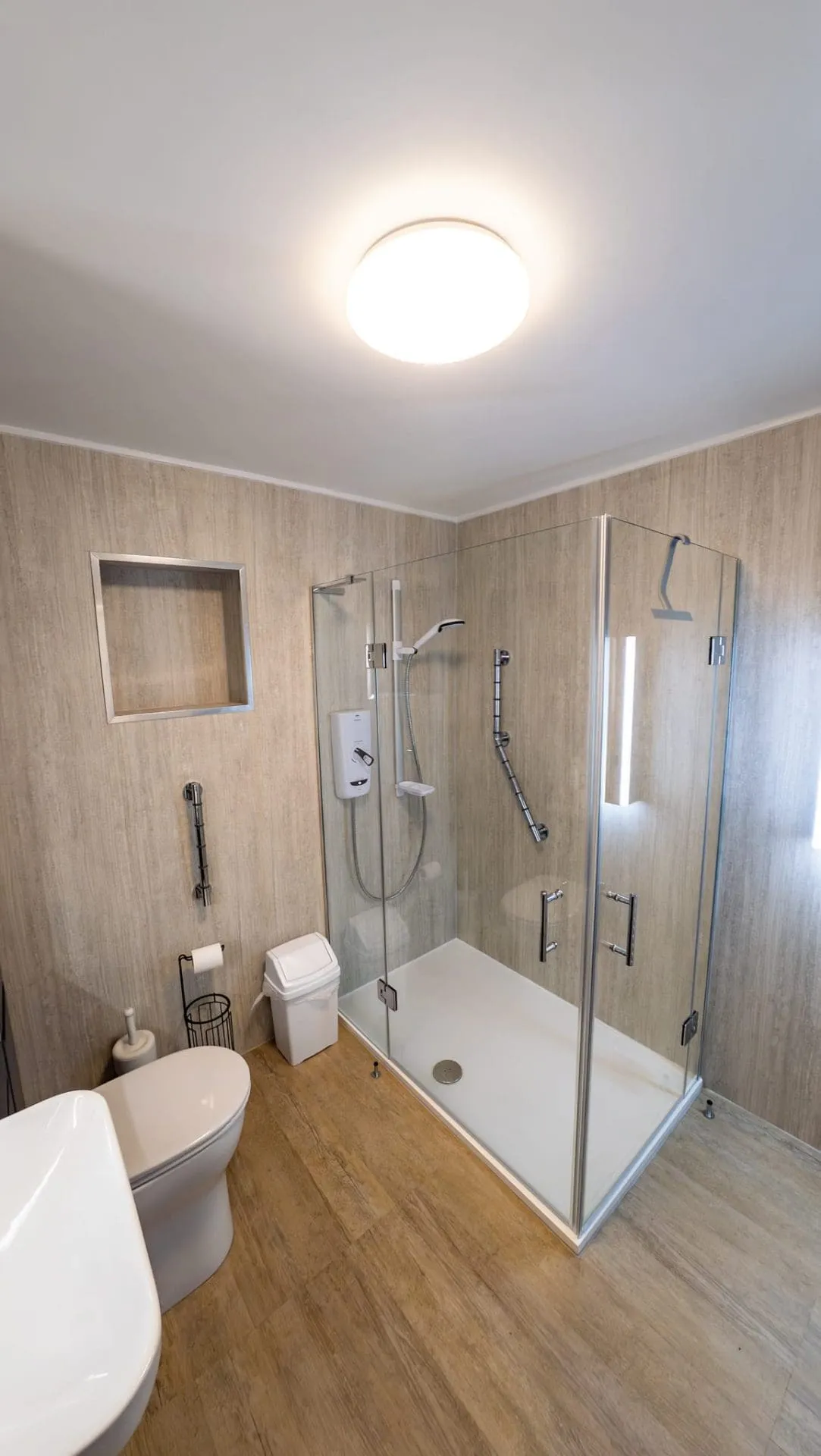
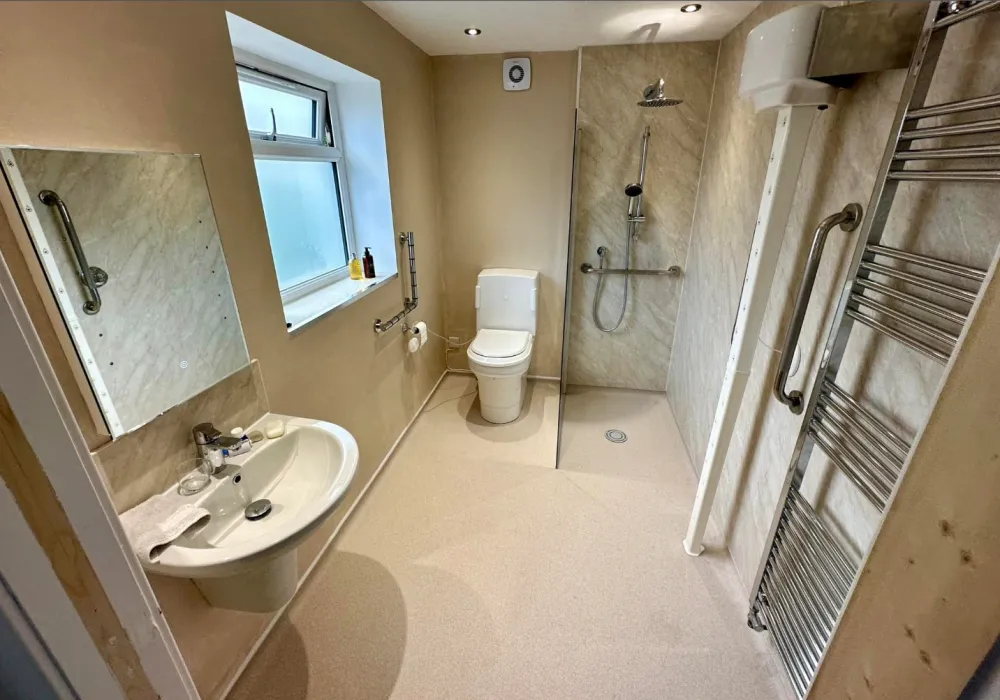
Bathrooms are among the highest-risk areas for injuries in the elderly due to slippery surfaces and challenging postures during showering, bathing, and toileting. Small but impactful modifications can mitigate these risks effectively. According to care guidelines, installing professionally fitted grab bars in showers, near toilets, and bathtubs is fundamental,not to be confused with towel racks. These bars offer reliable support and stability.
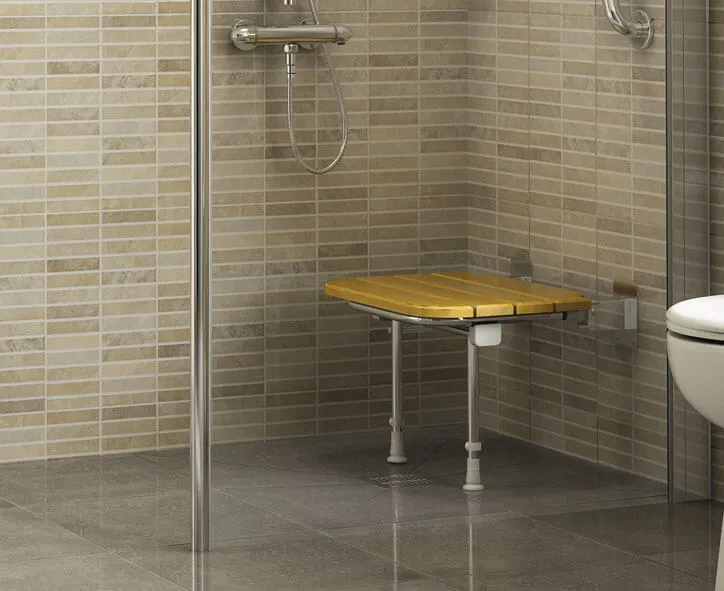
Complementing grab bars with non-slip mats inside the shower, bath, and on the bathroom floor enhances traction. Opt for mats with strong suction backing to prevent slipping. Additionally, walk-in baths or shower seats can assist those who struggle with standing for prolonged periods, fostering comfort and reducing fall risk.
Integrating Modern Accessibility Solutions
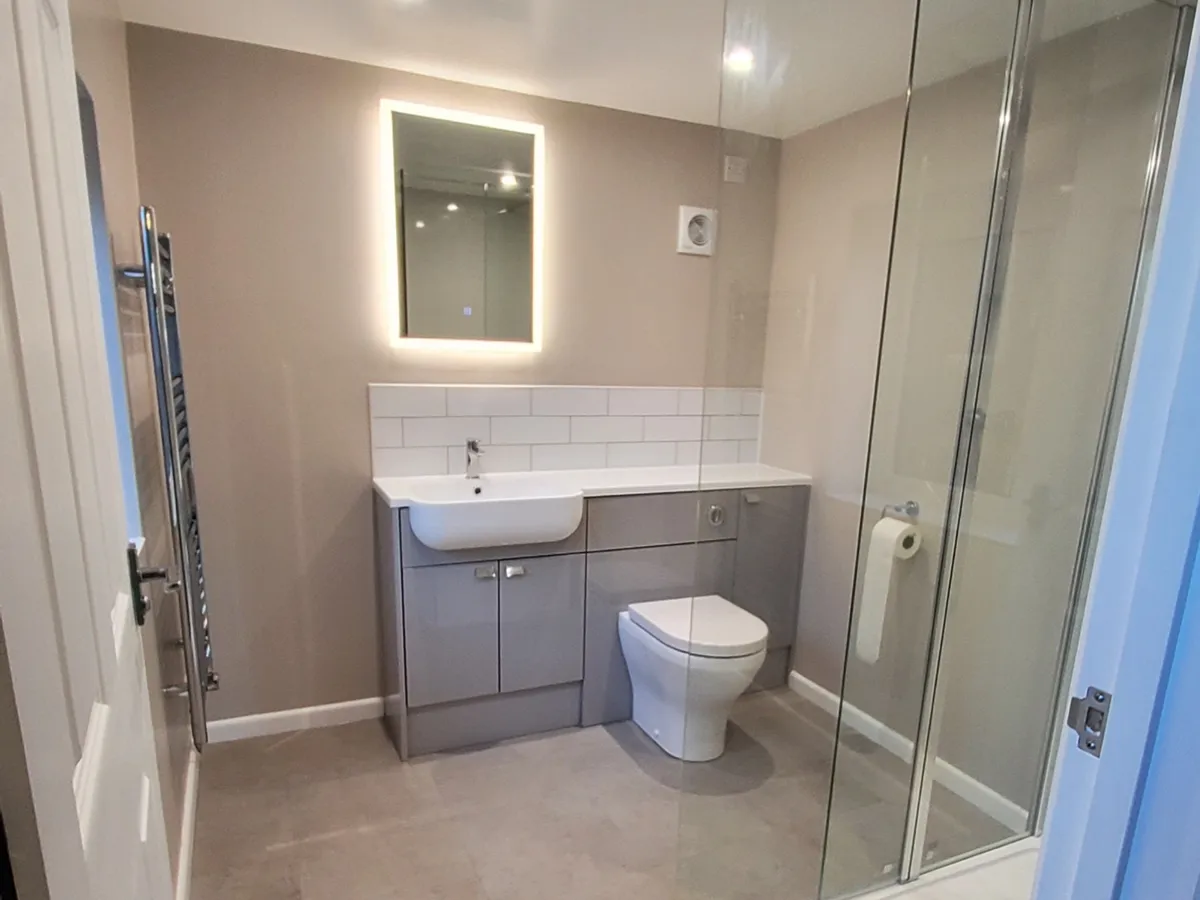
Leading providers such as Love Mobility specialize in creating easy-access walk-in showers and wetrooms tailored to elderly individuals or those with mobility issues. Their modern designs combine functionality with aesthetics, ensuring safe and durable bathroom spaces.
Milne Installations offers bespoke bathroom adaptations, including wet rooms that harmonize materials and textures to create a sanctuary-like setting. Their expertise extends to cloakrooms and facilities that accommodate disabilities, emphasizing both classic and contemporary styles.
Clearwell Mobility complements these offerings by providing a broad range of mobility and home healthcare equipment. Supported by expert advice and aftercare, they empower users to live safely and independently with products that integrate seamlessly into home-care routines.
Funding and Support for Modifications
Financial considerations need not be a barrier to safe bathroom adaptations. Several grants and services are available to ease the burden:
-
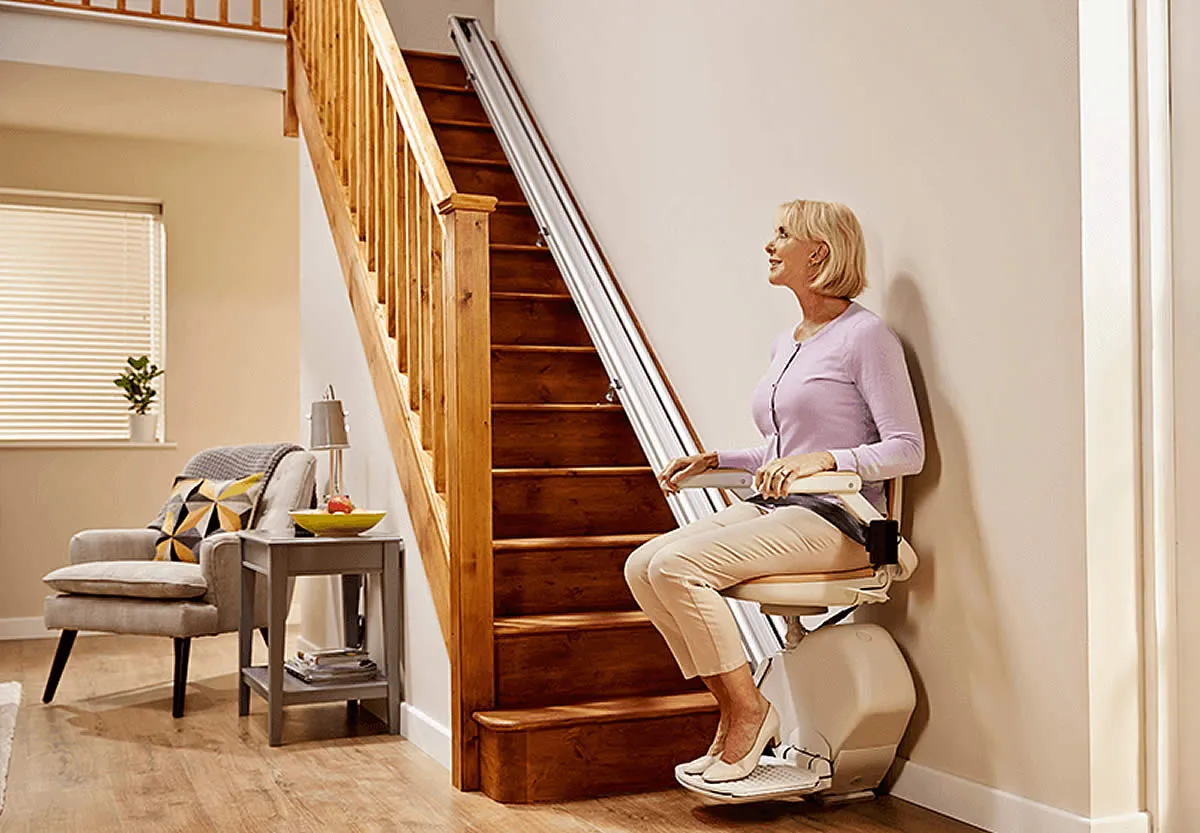
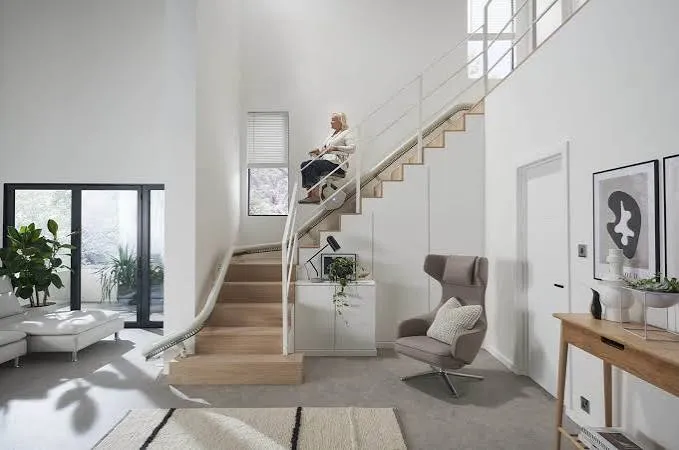
Disabled Facilities Grant (DFG): This government grant offers up to £30,000 in England, £36,000 in Wales, and £25,000 in Northern Ireland to cover essential adaptations like grab rails, ramps, and stairlifts. Eligibility assessments are conducted via local councils, sometimes means-tested. More details can be found at https://www.gov.uk/disabled-facilities-grants.
-
Occupational Therapist (OT) Assessments: An OT can perform a home visit to evaluate specific needs and recommend precise adaptations. Referrals can be made through the NHS or local councils. It’s helpful to identify daily challenges prior to assessment to ensure tailored recommendations.
-
Local Authority Care Assessments: Adult Social Care Teams conduct needs assessments that may lead to organization or funding of adaptations based on individual circumstances. Contact your local council for support and guidance.
Additional Home Safety Considerations
Alongside bathroom adaptations, overall home safety increases with non-slip flooring, proper lighting including motion-sensor and nightlight installations, and removal of trip hazards such as loose rugs and clutter. Smoke and carbon monoxide detectors should be regularly tested and maintained.
For anyone overseeing eldercare, exploring these home modifications through grants, assessments, and professional installation services ensures a supportive environment that allows older adults to retain dignity and independence.
Final Thoughts
Navigating the care journey involves making informed choices about home adaptations. By focusing on specialized bathroom modifications and leveraging resources like Disabled Facilities Grants and occupational therapy, families can significantly improve elderly safety at home. Trusted providers like Love Mobility, Milne Installations, and Clearwell Mobility bring expertise and quality solutions that transform bathrooms into secure, accessible, and comfortable spaces for aging loved ones.
For those considering bathroom adaptations, starting with an expert assessment and consulting available funding resources is a strategic step towards safer, more manageable home-care solutions.