.png)

Navigating the Care Journey often begins with recognising the early signs of dementia and understanding how they differ from typical ageing. Especially for adults aged 45-70 caring for elderly parents, or for seniors themselves, spotting these subtle symptoms can be vital to receiving timely support.
Common Early Signs of Dementia and Why They Matter
One of the earliest indicators is short-term memory loss , frequently forgetting recent conversations or appointments, and repeating questions. Often, carers or relatives might attribute this to simple forgetfulness common with age, but persistent and progressive memory lapses may suggest cognitive decline.
Difficulty with planning and problem-solving is another warning sign. Tasks like managing finances, following a known recipe, or solving everyday problems might become increasingly challenging. Unlike occasional lapses, these difficulties progressively impact independence.
Language and communication issues can also surface. Struggling to find the right word during conversations or repeating oneself can be distressing, yet these symptoms may be overlooked as tiredness or distraction.
Confusion about time and place , forgetting the day of the week, the season, or becoming lost in familiar surroundings , marks a critical shift from normal ageing perceptions.
Changes in mood and personality are subtle but significant. Unexplained anxiety, irritability, or withdrawal from social activities previously enjoyed may indicate an underlying condition rather than situational stress or depression.
Lastly, difficulties with visual perception, such as problems with balance, judging distance, or recognising colours and contrasts, often precede more obvious cognitive symptoms.
Why Early Detection is Challenging
Separating dementia symptoms from general ageing is difficult. Family members might dismiss signs as normal ‘senior moments,’ while elders themselves may hide issues due to stigma or fear. This is where experienced home-care providers play a pivotal role.
Supporting Your Loved Ones with Expert Home Care
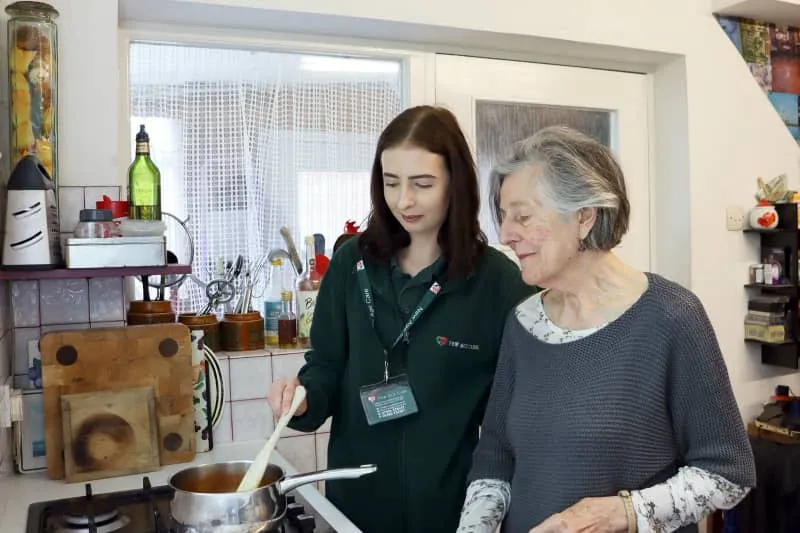
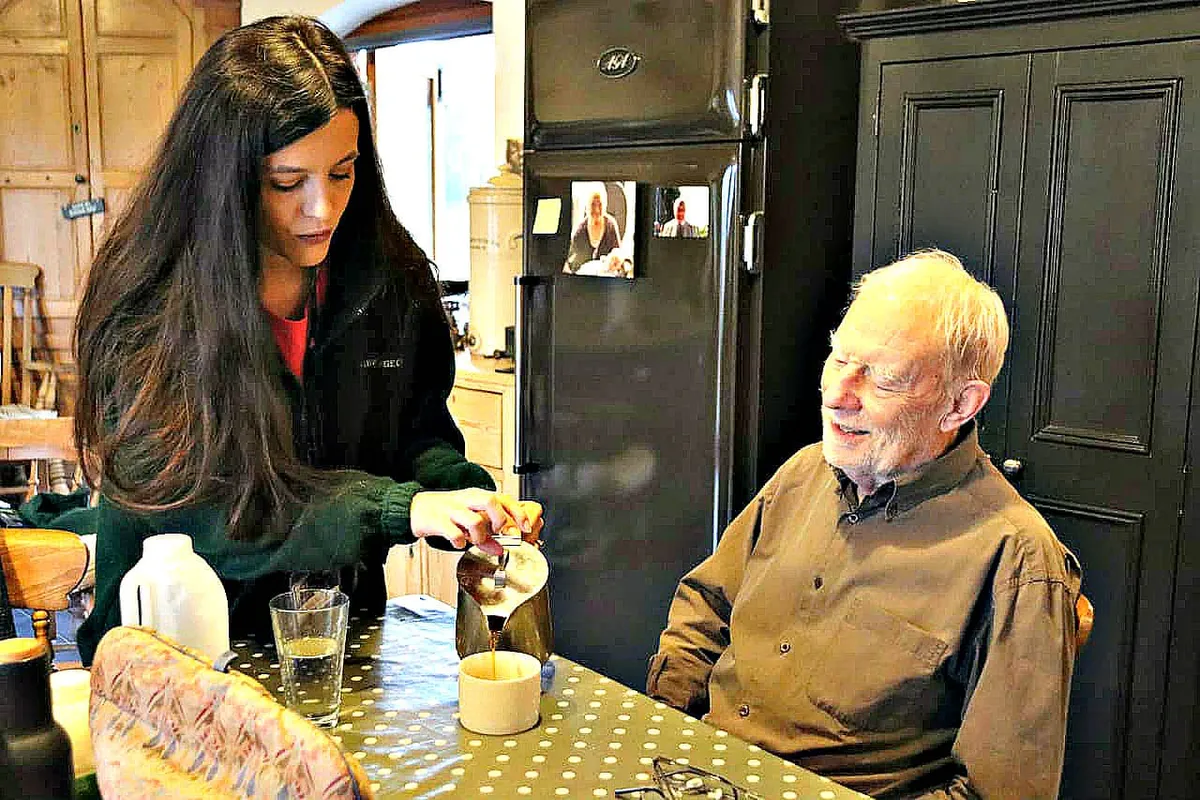
Providers like Novus Care deliver award-winning, highly trained carers who understand these nuances, helping spot early signs and tailor supportive care within the comfort of home. Their nationwide presence ensures continuous monitoring and compassionate assistance.
Similarly, New Age Care in Warwickshire and the Midlands offers flexible services including visiting care and live-in support, finely tuned to individual needs. Their commitment to specialist care means tailored approaches for dementia symptoms, enhancing quality of life.
SureCare Shropshire collaborates closely with healthcare professionals to create bespoke care packages, focusing on maintaining independence while addressing cognitive challenges. Their holistic approach ensures symptoms are not just managed but understood in context.
Taking Action: When and How to Seek Help
If you notice any persistent signs from short-term memory loss to visual perception difficulties, consulting a healthcare professional is advisable. Early diagnosis opens doors to interventions and support networks, easing stress for the individual and their carers.
Choosing a home-care provider familiar with dementia’s early signs ensures that your loved ones receive compassionate, informed assistance promptly. This partnership supports both safety and dignity while navigating life’s changing phases.
Conclusion
Recognising the early signs of dementia requires attentive observation and understanding to differentiate them from normal ageing changes. With informed carers from trusted providers like Novus Care, New Age Care, and SureCare Shropshire, families can confidently support their loved ones’ independence and well-being at home. Taking the first step in spotting these symptoms can positively influence the entire care journey, ensuring timely, respectful care that truly resonates with the mantra: home is where the heart is.