.png)
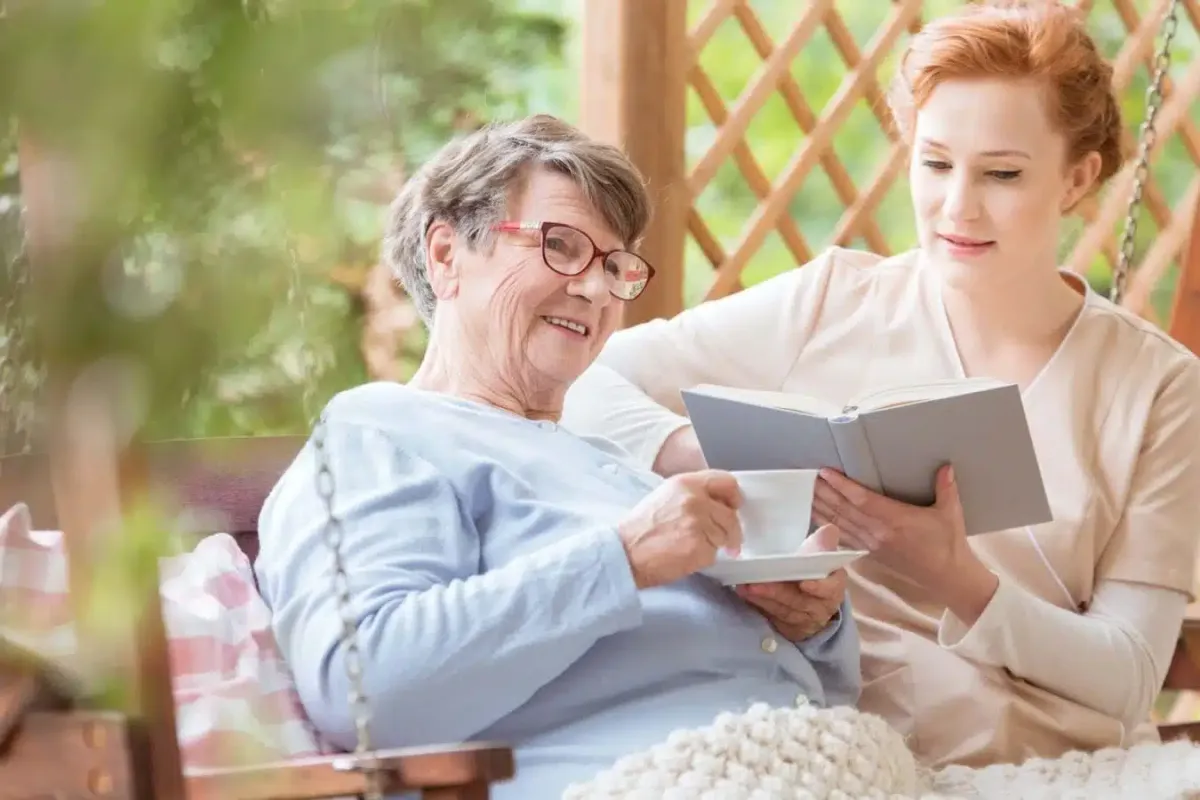
As we age, the comfort and familiarity of home become more important, yet this environment can also harbor unseen risks that lead to falls and injuries. Among adults aged 70 and above, falls are the primary cause of injury and subsequent hospital admissions. Understanding the most common accidents and implementing simple, practical home-care solutions can drastically improve safety and quality of life.
Ranking the Most Common Home Accidents Leading to Hospital Visits
Health statistics reveal that the majority of home accidents involving elderly individuals stem from falls caused by:
- Slips and Trips on Stairs or Floors: Uneven or cluttered flooring, loose rugs, and poorly lit stairways frequently result in slips.
- Bathroom Falls: Wet surfaces around bathtubs and toilets increase fall risk.
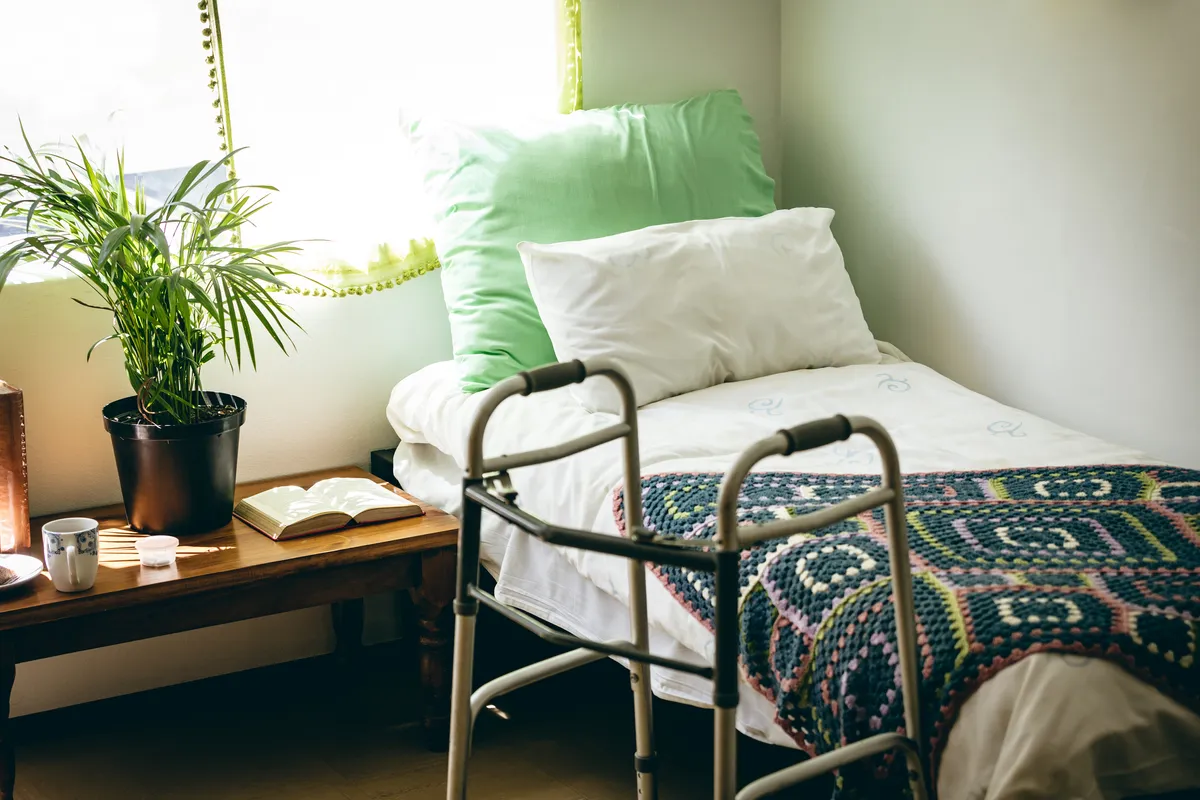
- Falls from Chairs or Beds: Difficulty getting up or down can cause loss of balance.
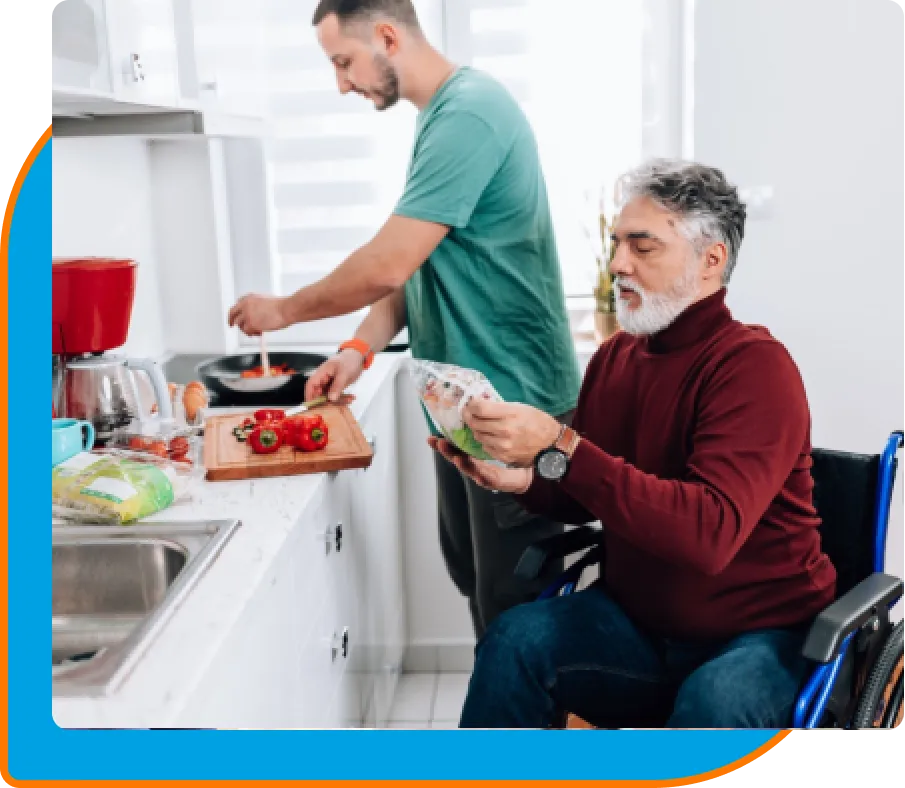
- Kitchen-Related Injuries: Handling hot items or sharp objects without assistance can result in burns or cuts.
Among these, slips and trips account for the highest number of emergency hospital visits. These incidents often lead to fractures, sprains, or head injuries, significantly impacting mobility and independence.
Practical, Easy-to-Implement Home-Care Tips to Prevent Falls and Injuries
Implementing straightforward home modifications and care strategies can prevent most falls:
- Maintain Clear Pathways: Regularly declutter living spaces, securing loose wires and removing trip hazards.
- Enhance Lighting: Use bright, non-glare lights, especially around stairs and hallways. Automatic night lights can help during nighttime movements.
- Install Support Aids: Handrails on stairs and grab bars in bathrooms provide stability.
- Use Non-Slip Mats: Place these in bathrooms and kitchens to reduce slipping risks.
- Encourage Regular Exercise: Strength and balance exercises help maintain muscle tone and coordination. Community programs or guided activities can be beneficial.
The Role of Professional Home-Care Providers in Fall Prevention
Specialized home-care services play a crucial role in supporting elderly individuals to live safely and independently. Providers like Novus Care employ highly trained carers who deliver attentive, award-winning care, focusing on preventing falls through active monitoring and environment optimization.
Similarly, New Age Care, serving Warwickshire, Staffordshire, and the Midlands, offers tailored visiting and live-in care, including respite and specialist care, ensuring that individual safety needs are met comprehensively.
In Shrewsbury and Oswestry, Radfield Home Care emphasizes personalized live-in and visiting care that keeps clients connected with what matters most, emphasizing safe environments and fall prevention strategies.
Making Home Care a Central Part of Navigating the Care Journey
The journey of care for ageing parents or oneself is complex but can be navigated successfully with the right information and support. By understanding common accident risks and adopting practical solutions, families can significantly reduce hospital visits and enhance wellbeing.
Choosing experienced home-care providers ensures not only assistance with daily living but also expert guidance in accident prevention. Care at home preserves dignity, independence, and happiness,reinforcing the truth that the heart truly belongs there.
For families and individuals aged 45-90, proactive home-care combined with these simple preventive measures can make the critical difference in maintaining safety and quality of life at home.