.png)

Caring for an ageing parent like Dad often begins with noticing subtle changes. Recognising these signals early ensures they receive the right support to stay safe and independent at home.
Signs Dad May Need Some Help
Small daily challenges can hint at a need for assistance. Does Dad struggle to prepare meals, manage medications, or safely move around the house? Is he forgetting appointments or skipping meals? Has his confidence dropped after a fall? The Care Means Home Care Readiness Checklist highlights crucial areas:
- Difficulty with personal care such as washing and dressing
- Challenges with household tasks
- Medication mismanagement
- Reduced social interaction and increased isolation
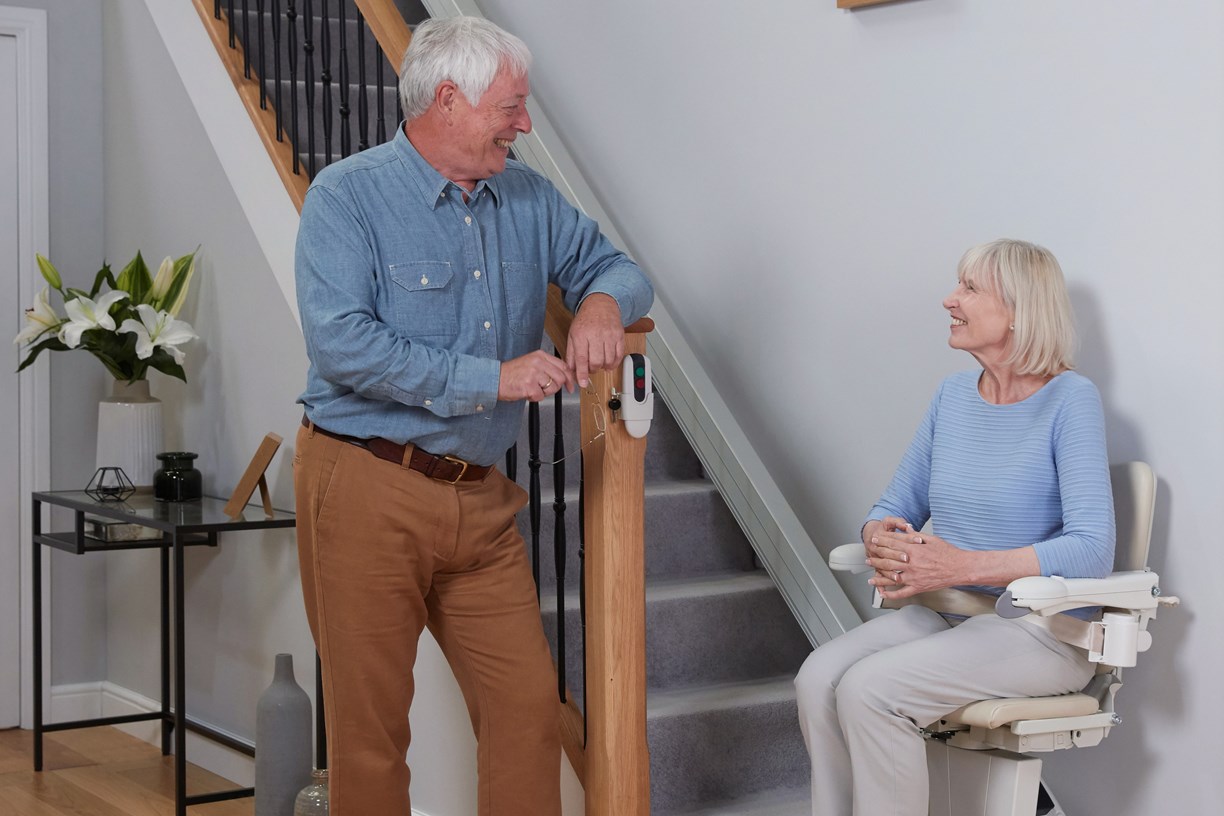
- Safety concerns like falls or unsafe stair usage
Tracking these signs helps determine when home care support might be beneficial.
Starting the Conversation About Needing Help
Discussing care needs can be difficult. Dad may see accepting help as losing independence or becoming a burden. Many older adults prefer to ignore or downplay challenges, increasing safety risks.
Approach with empathy and understanding:
- Emphasise care as a way to maintain independence, not diminish it
- Share observations factually without blame
- Involve Dad in decisions to personalise support
- Address fears about loss of control or privacy transparently
These conversations build trust and lead to positive care planning.
Navigating the Stages of Home Care
Home care can range from minimal support a few hours a week to more intensive daily assistance or live-in care. Here’s how care typically progresses:
Light Support
Neighbours, family, or friends might initially help with shopping, companionship, or occasional meals.
Hourly Home Care
Professional carers visit regularly to assist with daily living tasks, including medication management, personal hygiene, or household chores. This option supports safety and comfort while preserving independence.
Live-In or Intensive Care
For more significant needs, live-in care or respite services offer comprehensive, round-the-clock support. This is especially crucial for individuals with health complications or dementia.
Exploring Home Care Providers and Services
A variety of agencies across the UK tailor their offerings to individuals’ preferences:
-
SureCare Shropshire offers bespoke care plans aligning with client needs, collaborating with healthcare professionals to encourage home independence.
-
Novus Care is a nationwide provider with over 14 years’ experience, focusing on award-winning, home-based care to support the elderly and young adults, prioritising happiness and comfort.
These providers cover a spectrum from companionship and personal care to medical-related support.
Planning Ahead Is Key
Using tools like the Care Means Home Care Readiness Checklist regularly helps families review needs and proactively plan future care. As circumstances evolve, re-evaluate support levels and funding options to ensure Dad’s safety and well-being.
Resources for Families
Organisations such as Age UK offer valuable information on arranging home care, understanding domiciliary services, and identifying local support.
In conclusion, recognising early signs that Dad needs help, addressing emotional barriers sensitively, and exploring staged home care options empower families to maintain quality of life and independence. Trusted providers like SureCare Shropshire, New Age Care, and Novus Care are ready to work alongside families throughout the care journey, delivering personalised support where it’s needed most.