.png)

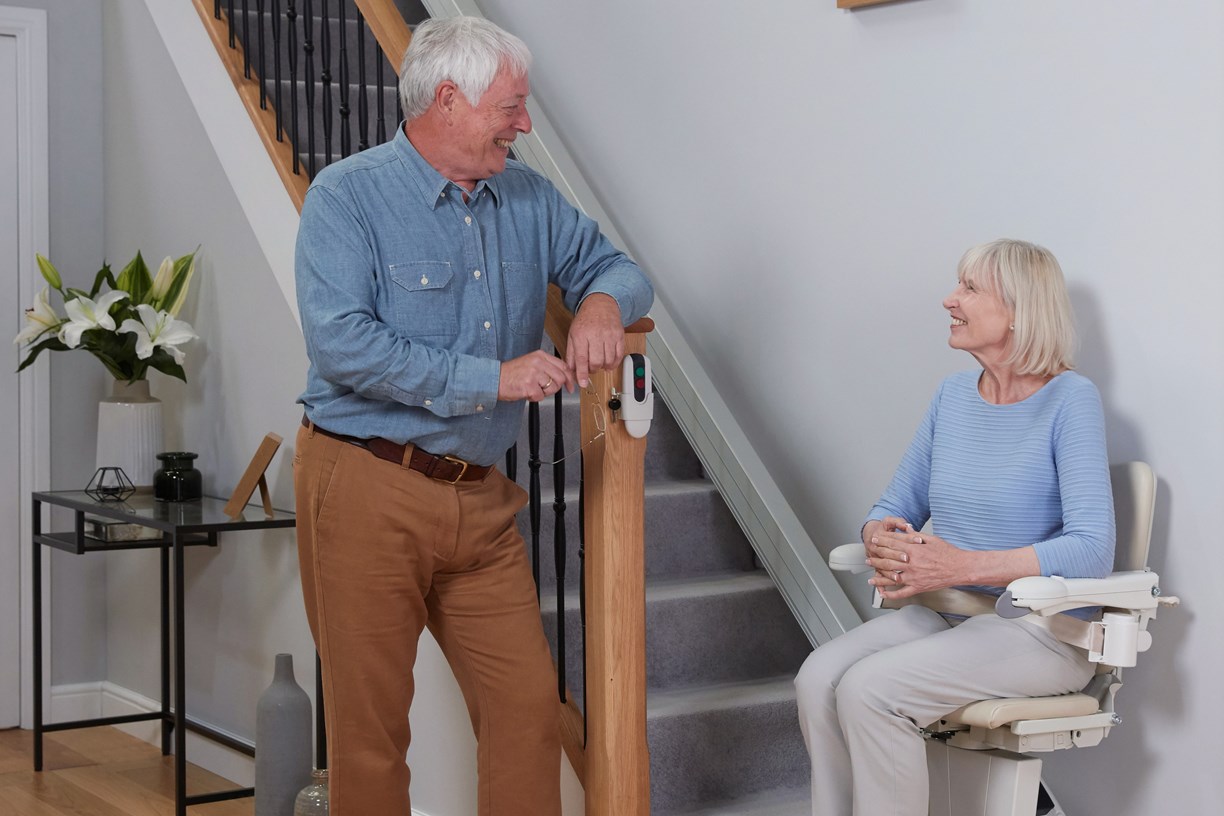
As loved ones age, maintaining independence within the familiar surroundings of home becomes a priority. A stairlift can be a vital aid in enhancing safety and mobility, but choosing the right one requires thoughtful consideration. To navigate the care journey effectively, here are essential questions you should ask and answer before purchasing a stairlift for elderly relatives.
Understanding the Total Cost and Financial Assistance
Begin by requesting a detailed written quote from stairlift providers such as Aspire Stairlifts Ltd, Age UK Trading, or Yorkshire Stairlifts Limited. Ensure the quote covers the cost of the unit, delivery, and installation to avoid surprises. Ask specifically whether removal of existing stairlifts or additional components, like extended rails, incur extra fees.
Many buyers qualify for VAT relief in the UK if they are chronically ill or disabled, reducing the purchase price by 20%. Confirm eligibility to take advantage of this benefit. Additionally, inquire about reconditioned or certified pre-owned stairlifts to potentially lower initial expenses.
Explore financial support options such as the Disabled Facilities Grant (DFG), which offers government funding up to £30,000 (England) for home adaptations including stairlifts. Your local council or adult social care team can provide guidance and assessment.
Technical and Installation Considerations
Evaluate your home’s staircase before shopping. Is it straight or curved? Straight staircases allow faster installation with standard rails, while curves require custom manufacturing and longer lead times.
Ask how the rail will be mounted; safe installations secure rails to stair treads rather than walls for stability. Consider whether the stairlift seat and footrest fold neatly to avoid blocking the staircase for other household members.
Electrical requirements are important; confirm the location of nearby power sockets and ask if any additional wiring or battery backup is included.
User Fit and Safety Features
Each user’s weight and mobility needs must be matched to the stairlift’s specifications. Check the maximum weight limit to ensure safe operation.
Test controls for ease of use, considering hand dexterity and whether the user is right- or left-handed. Joysticks and button panels should be intuitive and responsive.
Safety sensors that detect obstacles and automatically stop the lift are essential. Also inquire if the stairlift includes a swivel seat, which locks securely and possibly offers power-assisted turning to simplify getting on and off safely.
Warranty, Maintenance, and Ongoing Support
Ask about the length and coverage of the warranty, including parts and labor. Reliable providers like Aspire Stairlifts and Yorkshire Stairlifts often include comprehensive warranties.
Verify who provides maintenance and emergency repairs. Is there 24/7 support with local engineers able to respond promptly?
Discuss ongoing costs such as annual servicing plans to keep the stairlift running smoothly and safely.
Enhancing Home Safety Alongside Stairlift Installation
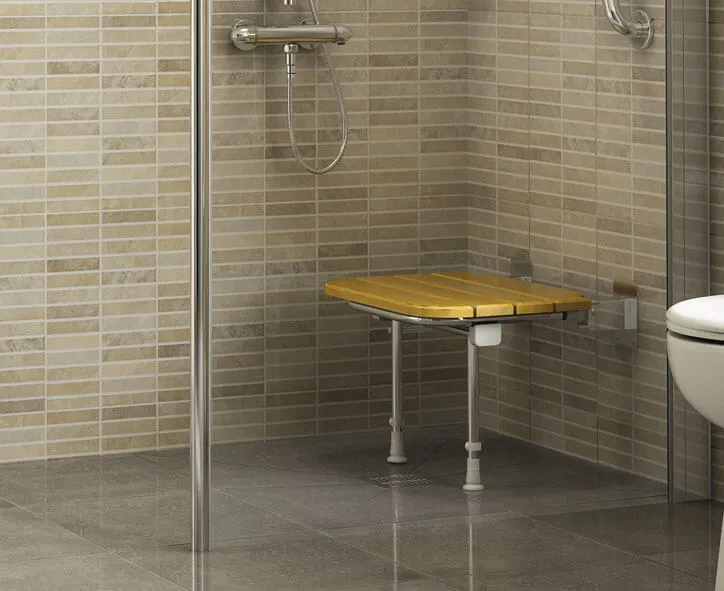
While fitting a stairlift greatly reduces the risk of falls on stairs, ensuring overall home safety is crucial. Based on safety assessments similar to those outlined in the Care Means Resource Library's "Safety in the Home" guide, consider adding grab bars in bathrooms, non-slip mats, adequate lighting with motion sensors, and clearing walkways of trip hazards.
This holistic approach supports your loved one’s confidence and independence within the home environment.
Tailoring Your Questions for Your Home
Every home and user is unique. Share details about the shape of your staircase and specific mobility challenges with stairlift providers during your consultation. They can help customize solutions and ensure all your questions are addressed in context.
Trusted UK Providers to Consider
- Aspire Stairlifts Ltd offers high-quality stairlifts designed to restore freedom and confidence.
- Age UK Trading provides mobility solutions tailored to individual style and home layouts.
- Yorkshire Stairlifts Ltd specializes in reliable, affordable stairlift installations with personalized care.
Navigating these questions with clear information empowers you to choose the best stairlift for your elderly loved ones, promoting safety, independence, and peace of mind.
Disclaimer: This information is provided for educational purposes and should not replace professional medical or occupational therapy advice. Consult qualified stairlift providers and home assessment professionals for personalized recommendations.