Download our practical guides

Get practical and actionable insights

Let's Connect

CareMeans

Top Signs It’s Time to Consider a Mobility Scooter for Aging Parents

Recognising when elderly parents need a mobility scooter can enhance their independence and safety. Learn the key signs and how to address common concerns effectively.

Published by Simon Cholmeley | June 26, 2026

Simon Cholmeley | June 26, 2026

Recognising when elderly parents need a mobility scooter can enhance their independence and safety. Learn the key signs and how to address common concerns effectively.

Overview

Identifying Mobility Needs and Overcoming Objections with Expert Insight

Caring for elderly parents is a journey filled with decisions that significantly impact their quality of life. One pivotal consideration is when to introduce mobility aids like scooters, which can restore freedom and confidence. Understanding the top signs that signal the need for a mobility scooter helps families provide the right support at the right time.

1. Noticeable Decline in Walking Endurance

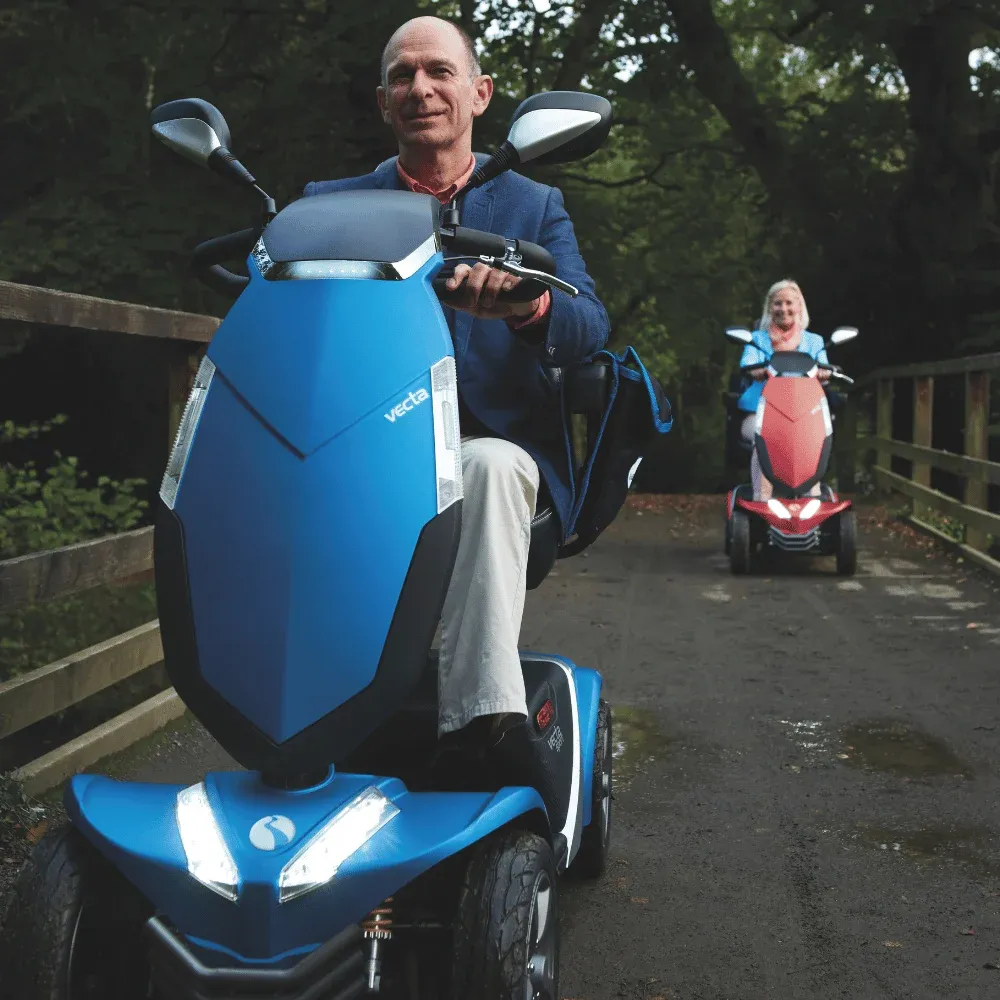
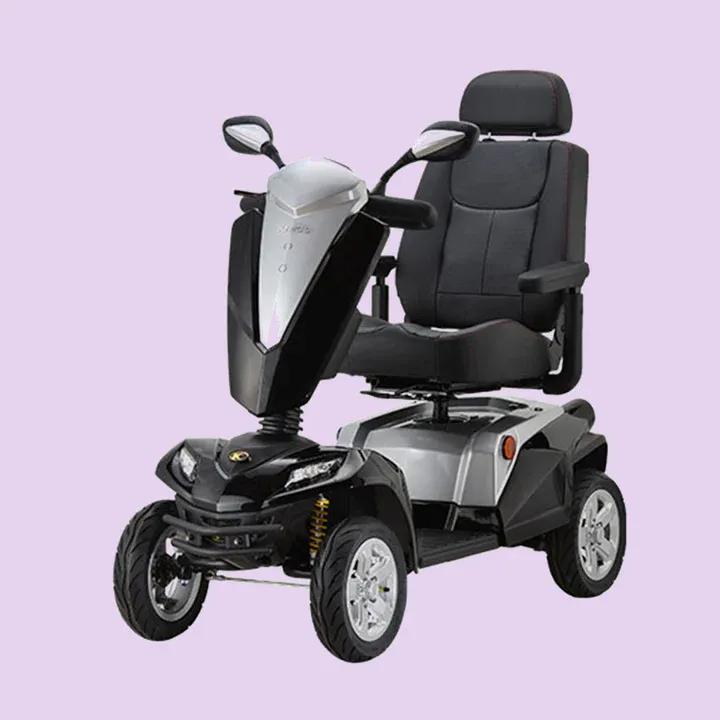
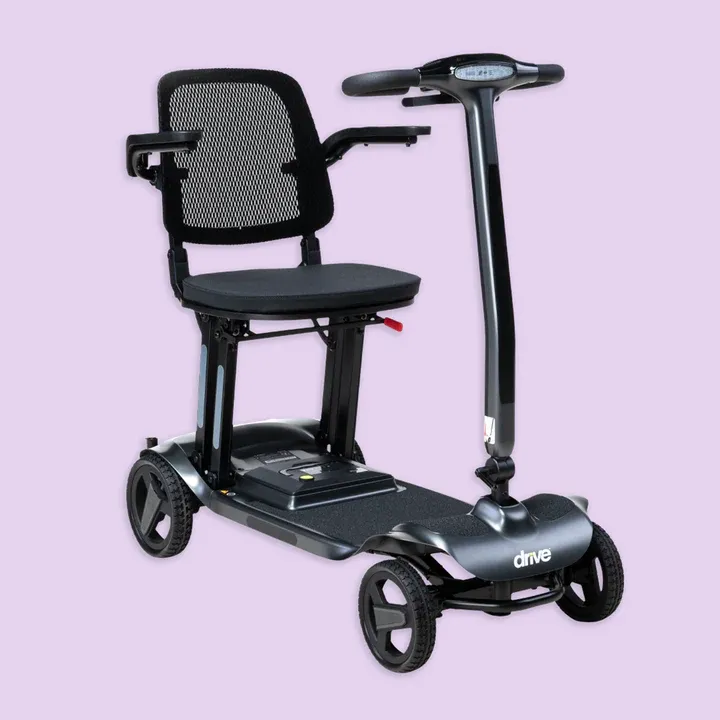
If your parent struggles to walk short distances without fatigue or requires frequent rests, it is a clear sign their mobility is reduced. Mobility scooters from trusted suppliers such as Seacroft Mobility can offer a comfortable alternative to walking, enabling longer trips without exhaustion.

2. Increased Reliance on Others for Errands

When trips to shops, social events, or medical appointments become a challenge and your parent depends more on family or friends for transportation, a mobility scooter can restore independence. Essington Mobility Cannock, with decades of experience, provides tailored advice on choosing scooters that fit individual needs and environments.

3. Balance and Stability Concerns

Frequent unsteadiness while walking or the use of walking aids like canes indicate a risk of falls. Mobility scooters offer stable support and reduce this risk significantly, promoting safety in and around the home.

4. Reluctance to Leave Home Due to Physical Limitations

You might notice your parent avoids going out because walking is taxing or uncomfortable. Introducing a mobility scooter can be transformative, encouraging engagement with the community and decreasing feelings of isolation. Clearwell Mobility’s emphasis on trusted advice ensures users are comfortable and confident operating their scooters.

5. Specific Health Conditions Impacting Mobility

Chronic conditions such as arthritis, osteoporosis, or respiratory issues often reduce physical capacity. Proactively addressing these with a suitable mobility scooter can improve daily life quality and physical health.

Addressing Common Objections

Some families worry that a mobility scooter might be stigmatizing or imply frailty. However, modern scooters from leading providers are designed for discreet, user-friendly operation, focusing on lifestyle enhancement rather than limitation.

Concerns about costs are valid but financing options, including used scooters from Essington Mobility and Clearwell Mobility, make solutions accessible. Safety worries can be managed through proper training and selecting the right model for your parent’s environment, a standard practice at Seacroft Mobility.

Supporting Your Parent’s Independence

Choosing to introduce a mobility scooter is an empowering step in navigating the care journey. It reflects a commitment to maintaining dignity, autonomy, and safety for elderly loved ones.

Consulting knowledgeable providers like Seacroft Mobility, Essington Mobility Cannock, and Clearwell Mobility ensures tailored advice and aftercare support, helping families make informed decisions aligned with their parent’s lifestyle and needs.

By recognising these signs early and addressing objections with empathy and facts, families can confidently enhance mobility and wellbeing for their ageing parents.

 Planning for your Care Guide

Get your home care guide

Planning for your Care Guide

Increased mobility through aids significantly boosts elderly mental health by restoring independence and reducing isolation. Research shows that older adults with mobility limitations are up to 2.66 times more likely to report depression and 1.89 times more likely to experience anxiety than their mobile peers.

Quantum rehab UK

Recognising when elderly parents need a mobility scooter can enhance their independence and safety. Learn the key signs and how to address common concerns effectively.
CareMeans logo

CareMeans

Navigating the Care Journey

Navigating the Care Journey.


Don’t Just take our word for it


Get your home care guide

Planning for your Care Guide

 Planning for your Care Guide
Questions
What is Nursing care?

Nursing care offers around-the-clock (24-hour) medical and personal support provided by registered nurses and specially trained care assistants for people with complex, chronic or rehabilitative requirements. Nursing care helps manage long-term conditions including assistance with medication management and providing clinical care. Nursing care can be administered in a nursing home or at home. As conditions and needs change, many residents of residential care homes will need to move into a nursing home for more complex care.

What is a care assessment?

A care assessment (or care needs assessment) is a free, personalised evaluation by local authority social services to determine a person's needs, such as help with washing, dressing, or meals. It identifies eligible support, helps maintain independence, and informs future care planning

What is a care plan?

A care plan is a written, evolving document outlining an individual’s health or social needs and how they will be met, designed to ensure personalised care, safety, and goal achievement. It involves a partnership between professionals and the person receiving care to document preferences, medication, and daily routines.


Explore more home care


Top Signs It’s Time to Consider a Mobility Scooter for Aging Parents

Top Signs It’s Time to Consider a Mobility Scooter for Aging Parents

Understanding the Cost of Home Care Adaptations for Older Adults

Understanding the Cost of Home Care Adaptations for Older Adults

Understanding Respite Care: Essential Options for Home-Care and Elderly Support

Understanding Respite Care: Essential Options for Home-Care and Elderly Support

Navigating Home-Care Challenges: Our Story Behind Care Means Portal

Navigating Home-Care Challenges: Our Story Behind Care Means Portal

Navigating the Care Journey.