.png)
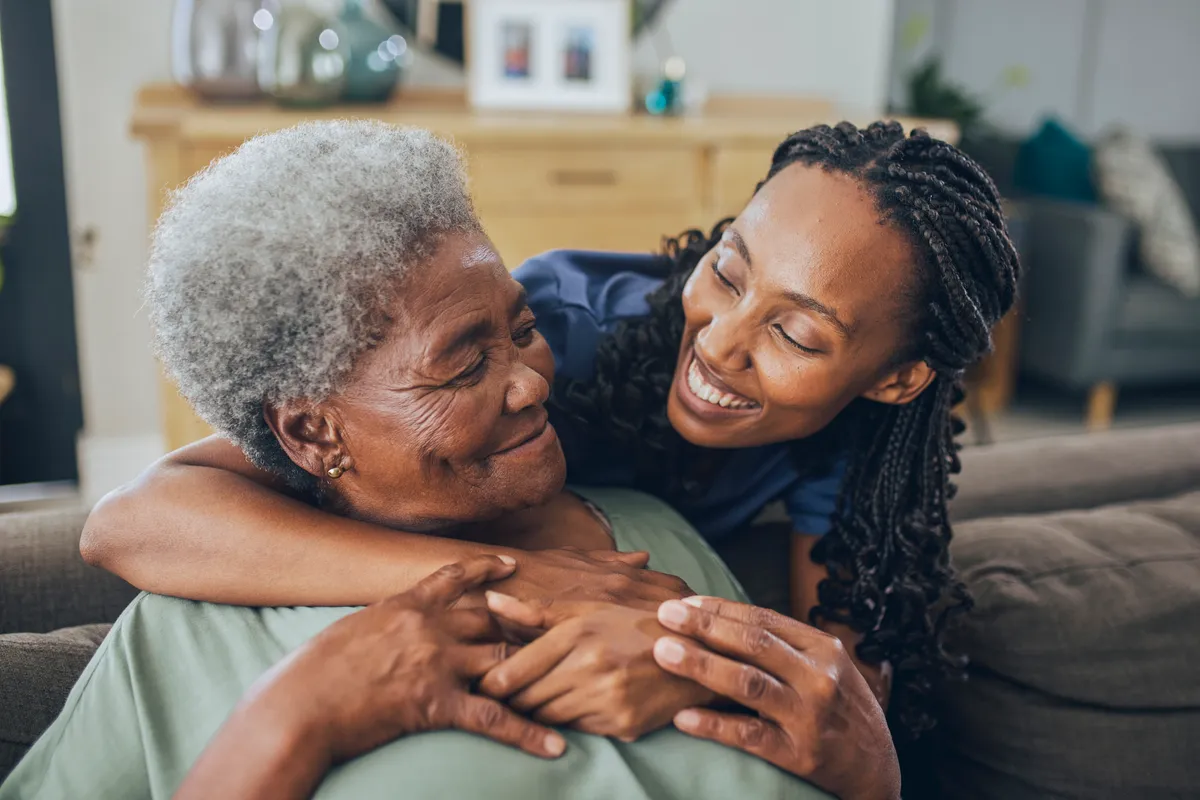
As our loved ones age, maintaining their independence at home often becomes a primary goal for families and care providers alike. Hourly home care services provide vital, flexible support that helps many elderly individuals continue living comfortably and independently. However, there may come a time when hourly visits no longer meet the increasing needs of your loved one. Recognising when to transition to more comprehensive care, such as live-in carers, is essential to ensure safety and well-being.
The Benefits of Hourly Care
Hourly care allows elderly individuals to receive personalised assistance tailored to specific daily tasks, such as meal preparation, medication management, or companionship. Providers like Novus Care, North Shropshire Homecare, and SureCare Shropshire offer adaptable care plans that can flex according to evolving needs, allowing for increased or decreased support without disruption. This flexibility helps maintain familiar routines and independence while addressing emerging challenges.
Signs It Might Be Time for Live-In Care
Despite the advantages of hourly care, certain indicators suggest that a higher level of continuous support is necessary. The CareMeans Home Care Readiness Checklist highlights areas to monitor, including daily living activities, health, safety at home, nutrition, social connection, and family support. Key warning signs include:
- Increase in falls or unexplained bruises: Difficulty managing mobility alone can lead to frequent accidents.
- Wandering or leaving the home unsupervised: This increases risk and signals potential confusion or memory concerns.
- Accidents occurring when alone: Consistent mishaps may indicate inability to safely manage without constant supervision.
- Increased confusion or disorientation: Cognitive changes can hinder self-care and safety awareness.
If your loved one is demonstrating several of these signs frequently, it is advisable to consider live-in care or alternative residential options.
Considering Live-In Care and Alternative Options
Live-in carers provide continuous, personalised support in the comfort of your loved one’s own home, ensuring safety and companionship around the clock. This option often suits those who value familiar surroundings but require enhanced assistance.
Alternatively, residential care homes offer structured environments with social activities and professional medical oversight. For some, the enriched community life can improve quality of life despite moving away from home.
Making this choice requires collaboration with healthcare professionals, social workers, carers, and family members, including the elderly person’s own wishes. There is no one-size-fits-all solution; each journey is unique.
Personalised Care Planning with Expert Support
Providers like Novus Care and North Shropshire Homecare specialise in developing personalised care plans that adapt as needs change. They coordinate closely with families and health professionals to address areas highlighted in assessment tools such as the CareMeans checklist, ensuring a seamless transition as levels of care evolve.
Moreover, SureCare Shropshire offers integrated services designed to maintain independence while providing additional support where necessary. Their holistic approach addresses physical, emotional, and social needs to promote overall well-being.
Moving Forward With Confidence
Regularly reviewing your loved one’s care needs, at least every 6 to 12 months, or sooner if concerns arise, helps anticipate and manage transitions from hourly to live-in care. Early recognition of challenges enables proactive planning, reducing stress for families and care recipients alike.
By embracing tailored care strategies, families can ensure their loved ones remain safe, comfortable, and engaged, wherever they choose to live.
Disclaimer: This article is for informational purposes only and does not substitute for professional medical or social care advice. Decisions regarding care should be made in consultation with qualified health and social care practitioners familiar with your loved one’s specific circumstances.