.png)
Falls affect one in three adults over 65 annually, with nearly 20% resulting in serious injuries requiring hospitalization. The risk can increase with age due to declining muscle strength, reduced balance, and slower reflexes, making prevention crucial for elderly safety at home. This article reviews the major fall hazards within the home environment, kitchen, bedroom, bathroom, outdoors, as well as general safety considerations, providing actionable insights to empower families and caregivers.
The Kitchen: A Hub of Hidden Dangers
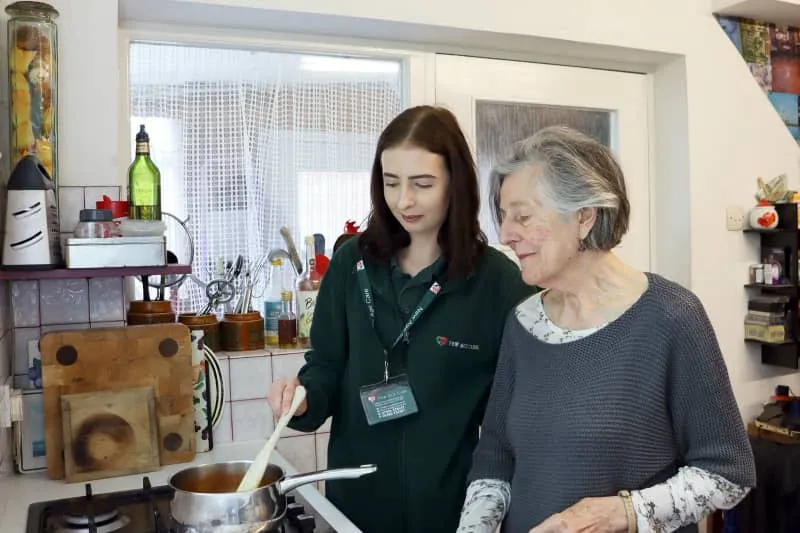
The kitchen often contains slippery surfaces and frequent reach challenges that increase fall risk. Spills and grease buildup can create slick floors, while bending or stretching for items in low or high cupboards destabilises balance. To combat these hazards, placing non-slip mats near the sink and stove is essential. Organizing everyday utensils at waist level minimizes awkward postures. Bright, well-placed task lighting over work areas improves visibility, helping elders navigate safely. Novus Care’s experienced carers can assist with kitchen safety routines and ensure environmental modifications suit individual mobility needs.
The Bedroom: Facilitating Safe Movements
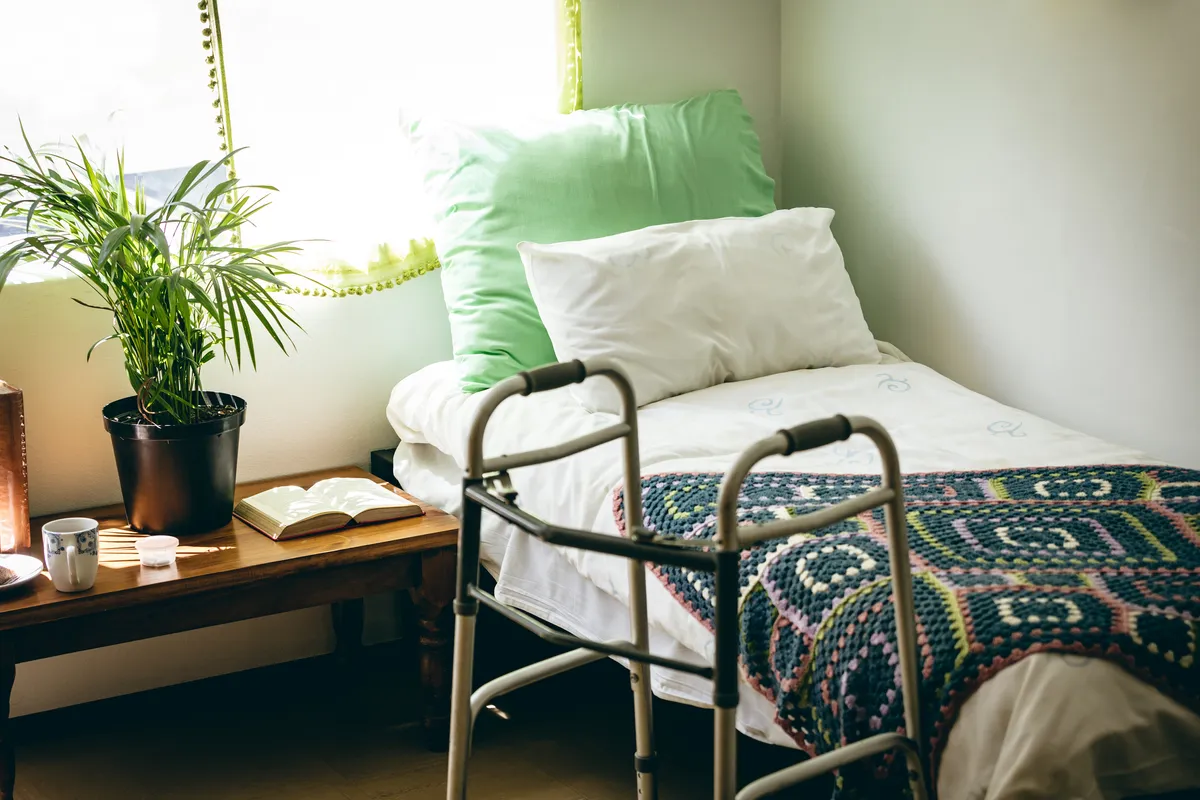
The bedroom is a critical space where falls occur during nighttime movements and when entering or exiting bed. Installing bed rails offers support and can prevent dangerous falls. Maintaining unobstructed, well-lit pathways from the bed to the bathroom is vital; nightlights strategically placed in corridors and near bathrooms reduce disorientation after waking. Additionally, keeping emergency phones or personal alarm systems within reach empowers elderly individuals to request help promptly, aspects that SureCare Shropshire actively incorporates into their personalized home-care packages.
The Bathroom: Addressing the Most Risky Area
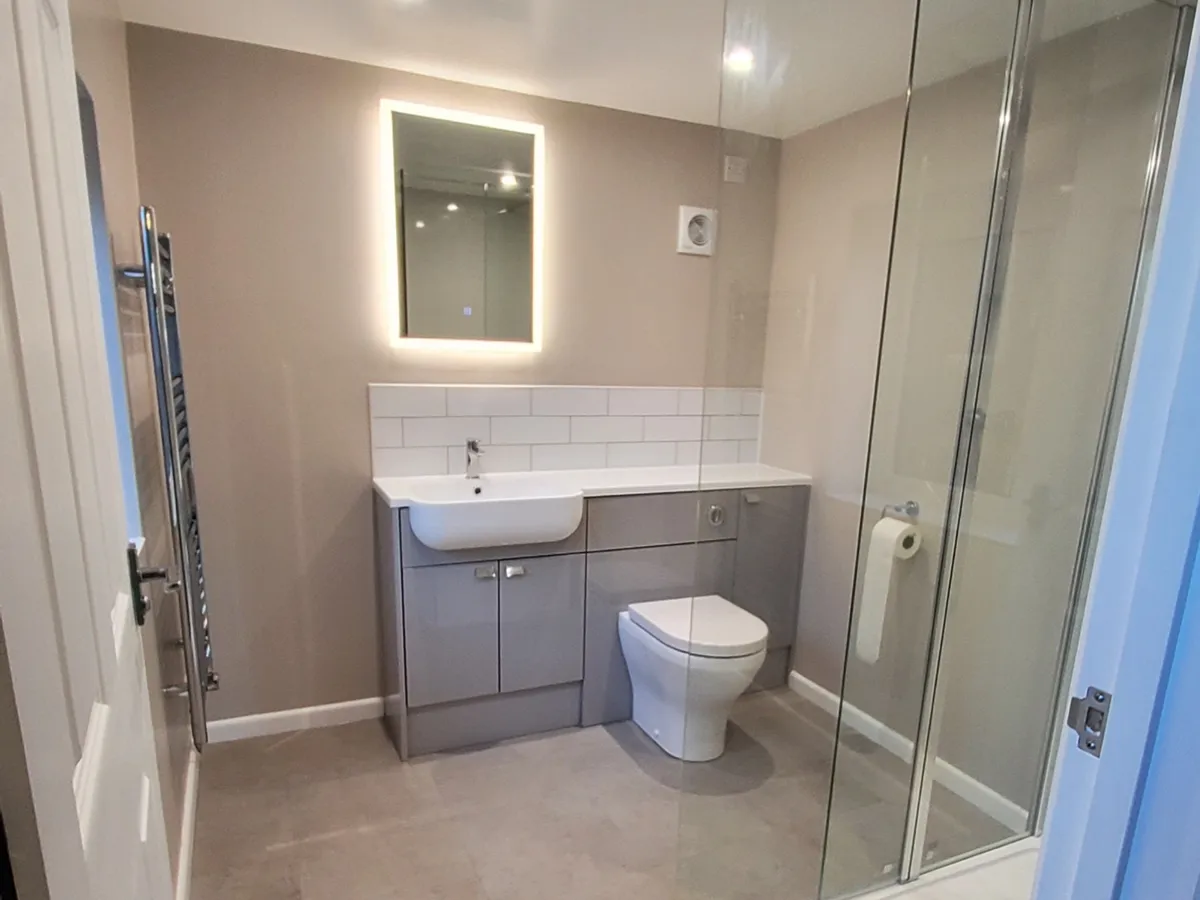
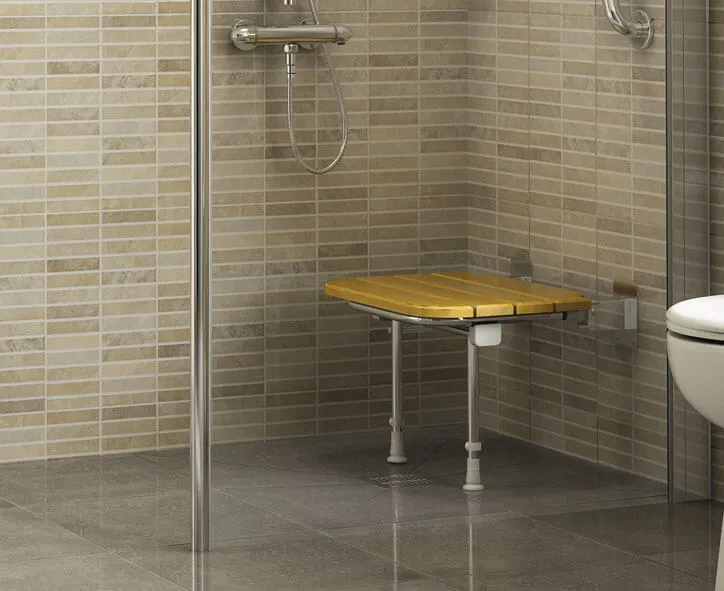
Bathrooms present numerous fall risks due to wet surfaces and complex body positions required for bathing. Installing professionally fitted grab bars near the shower, toilet, and bath provides leverage when moving. Non-slip mats with suction backing stabilize footing inside and outside the bath or shower. For those struggling to stand, shower seats or walk-in baths can substantially increase safety and comfort. Regular testing and battery replacement of smoke and carbon monoxide alarms around the bathroom add another layer of security. New Age Care supports elderly clients by facilitating bathroom adaptations and recommending medical alert systems with fall detection to ensure immediate assistance if needed.
Outside: Managing Outdoor Hazards
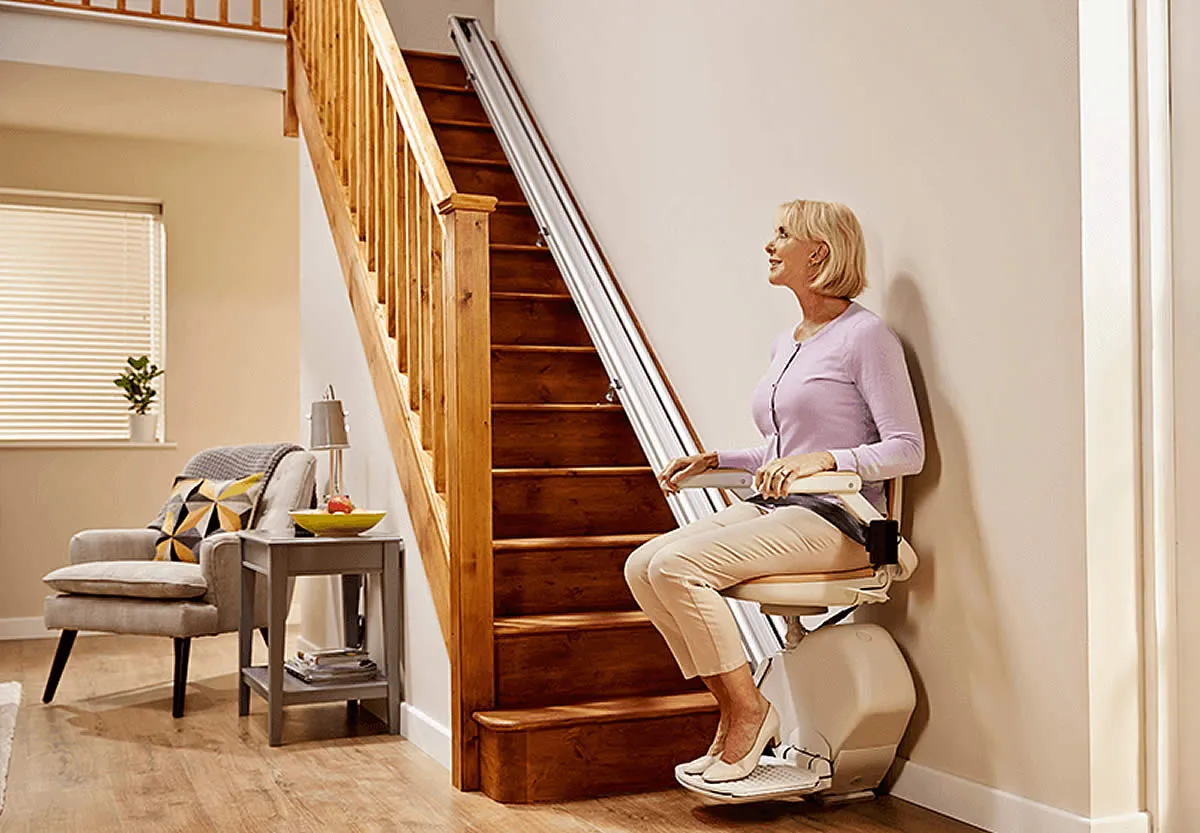
Uneven sidewalks, loose gravel, or unsteady steps lead to outdoor falls. Ensuring that handrails are available on stairs and ramps, and that edges of walkways are clearly visible with contrast strips, helps maintain stability. Clearing pathways of clutter, including foliage and garden tools, reduces the risk of tripping. Motion-sensor lighting along walkways and entrances enhances visibility, especially during nighttime. Professional assessments of stairlifts or ramps can improve safe access to outdoor spaces.
General Safety Measures and Fall Prevention
Overall, home safety depends on reducing clutter, securing loose rugs with anti-slip underlays, and organizing electrical cords safely along walls. Motion-sensor lighting in hallways and staircases coupled with bright LED bulbs reduces tripping hazards due to poor visibility. Regular maintenance such as testing smoke and carbon monoxide detectors monthly and replacing batteries annually ensures readiness for emergencies.
Additionally, medical alert systems, particularly those with fall detection capabilities, provide peace of mind for elderly individuals living alone. These wearable devices enable immediate help requests even if a fall renders the user unconscious. Care providers including Novus Care, SureCare Shropshire, and New Age Care integrate personalized care with safety technology to promote independence while minimizing fall risks.
Home adaptations can be supported through grants like the Disabled Facilities Grant and occupational therapist assessments, easing the financial and practical burdens of creating a safer home. Engaging with local adult social care teams facilitates tailored recommendations and support.
Falls within the home are a significant threat to elderly independence, but with informed adjustments and professional care support, risk can be minimized. Implementing strategic safety measures across key areas- kitchen, bedroom, bathroom, outdoors- and embracing assistive technology creates an environment where older adults can confidently live well and safely at home. Navigating the care journey thoughtfully ensures that loved ones maintain dignity and quality of life in familiar surroundings.