.png)

Dementia is a condition that affects millions worldwide, yet recognising its early signs remains a challenge for many families. Adults aged 45-70, often caring for ageing parents, alongside elderly individuals themselves, benefit immensely from understanding these early indicators. Spotting the signs promptly not only facilitates timely medical intervention but also opens the door to tailored support at home, helping maintain dignity and independence.
Recognising the Five Early Signs of Dementia
While dementia manifests differently in individuals, certain symptoms commonly surface at its onset. Awareness of these can be pivotal:
-
Memory Loss Affecting Daily Life: Frequent forgetfulness, especially regarding recent events or important dates, is a hallmark early symptom. This goes beyond occasional lapses and increasingly disrupts daily routines.
-
Difficulty Planning or Solving Problems: Tasks involving numbers, planning schedules, or following familiar recipes may become challenging, signaling cognitive changes.
-
Challenges in Completing Familiar Tasks: Even routine activities such as driving to a familiar location or managing household bills might present difficulties.
-
Confusion with Time or Place: Individuals might lose track of dates, seasons, or their current location, leading to disorientation.
-
Changes in Mood or Personality: Shifts toward increased anxiety, suspicion, or withdrawal from social engagements can accompany cognitive decline.
These signs stem from the neurological changes underlying dementia and warrant professional evaluation for accurate diagnosis.
The Role of Expert Home Care in Navigating Dementia
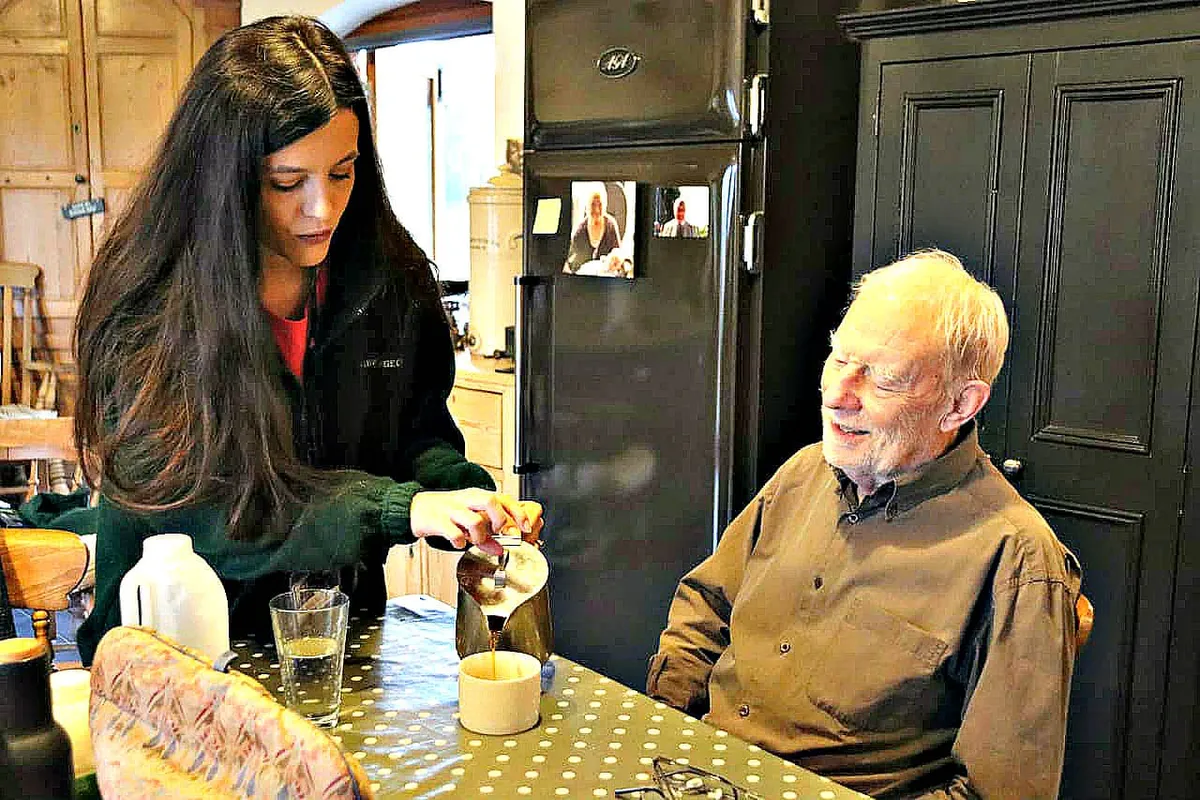
Having regular carers who understand dementia’s complexities is vital. They do more than assist with daily tasks; they provide emotional support, recognise symptom progression, and adapt care strategies accordingly. For example, Novus Care’s award-winning home carers bring extensive training to create personalised care plans, fostering independence while ensuring safety.
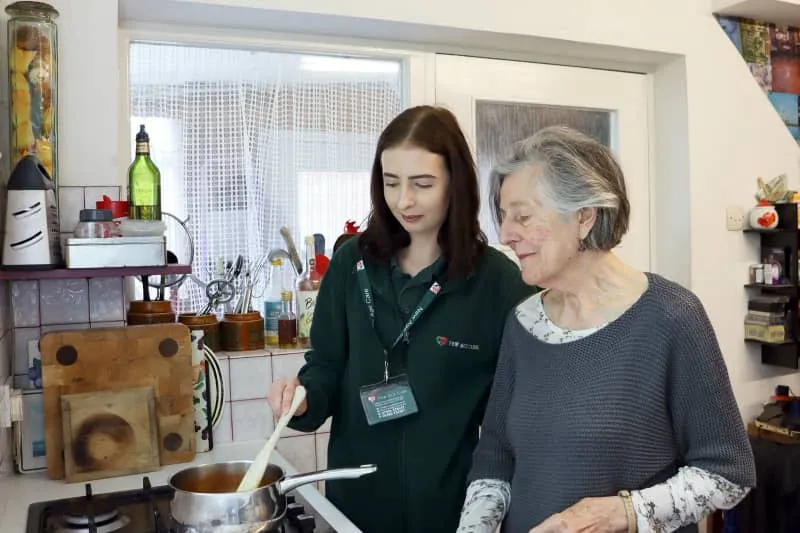
New Age Care, serving Warwickshire, Staffordshire, and the Midlands, emphasises tailored visits and live-in care that respond sensitively to each individual’s evolving needs. Their expertise in respite and specialist care offers families valuable support, reducing caregiver stress.
North Shropshire Homecare’s commitment to gold-standard, person-centred care ensures that elderly individuals remain in familiar surroundings with carers who truly know them. This familiarity can significantly alleviate confusion and anxiety associated with dementia.
The Importance of Care in a Familiar Environment
Research consistently shows that ageing individuals experiencing cognitive decline fare better when cared for at home. Familiar environments offer comfort and reduce agitation. Skilled home care providers trained in dementia care techniques can assist with memory aids, structured routines, and communication strategies tailored to the individual’s condition.
Furthermore, regular carers become critical observers. They detect subtle changes early and liaise with healthcare professionals to adapt care plans, keeping loved ones’ quality of life as high as possible.
Supporting Your Loved Ones Through the Care Journey
Dementia presents an evolving journey, and awareness of early signs empowers families to seek appropriate interventions. Engaging experienced home care services like Novus Care, New Age Care, or North Shropshire Homecare ensures compassionate, knowledgeable support that respects individuality.
By recognising symptoms early and involving dedicated carers, families can navigate this journey with confidence, maintaining independence and enhancing wellbeing within the comfort of home. Remember, home is where the heart is,and with the right care, it can also be where the best support resides.