.png)

Caring for ageing parents or elderly relatives is a journey filled with evolving challenges and decisions. Many families initially rely on their support networks, including friends, neighbours, and relatives, to provide daily assistance. However, as needs grow, this informal care can become insufficient or inconsistent. Recognising the early signs that your loved one may benefit from home care support helps ensure their safety, wellbeing, and independence remain intact.
Identifying the Need for Additional Support at Home
Small changes often signal that an elderly family member requires more assistance. According to the CareMeans Home Care Readiness Checklist, key indicators include difficulty with daily living tasks such as washing, dressing, and preparing meals; medication mismanagement; decreased mobility or confidence moving around the home; and increased feelings of isolation or loneliness. Falls, missed medical appointments, and weight changes also merit close attention. Observing these signs helps families make timely decisions to enhance safety and quality of life.
The Role and Range of Home Care Agencies
When family support reaches its limits, home care agencies offer a valuable resource. Across the UK, numerous providers, from national groups like Novus Care to regional experts such as SureCare Shropshire and specialist services, deliver tailored care packages. Services range from companionship visits and a few hours of assistance per week to full-time live-in care for those requiring extensive support.
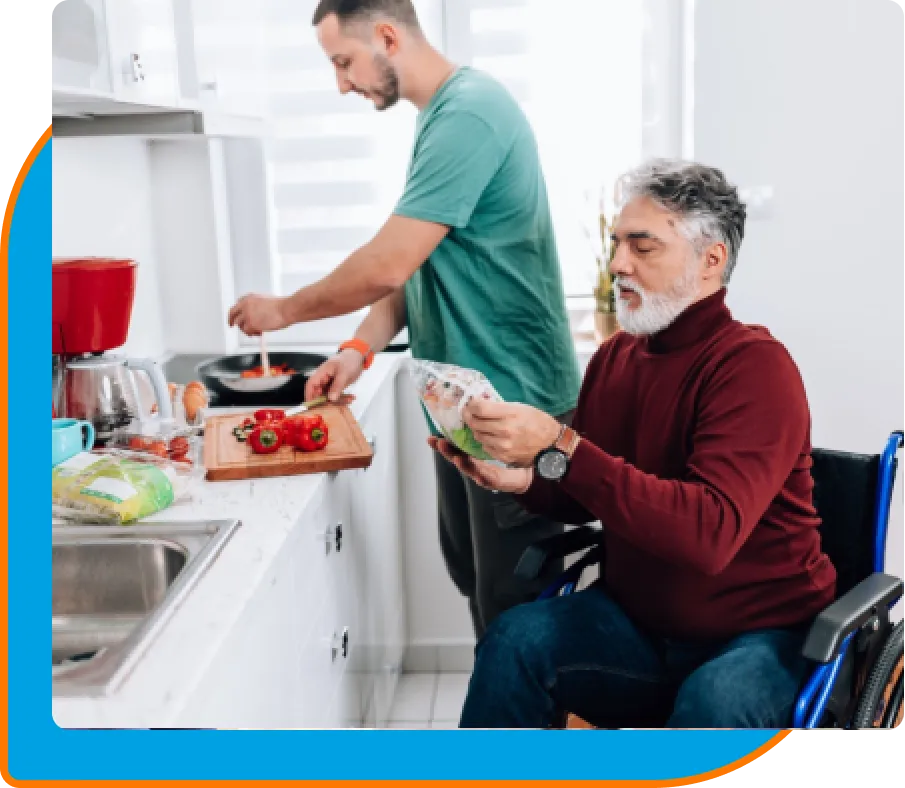
Home care can include personal care (help with bathing, dressing, mobility), domestic tasks (cleaning, shopping, meal preparation), medication management, and social engagement. Respite care is especially vital; it provides relief for regular carers who may need a break or holiday, ensuring continuity of care and reducing caregiver burnout.
Evaluating Home Care Providers
Choosing the right home care agency entails a thorough evaluation that goes beyond first impressions. The Care Quality Commission (CQC) rating is a crucial benchmark. Review the latest inspection reports for quality, safety, and responsiveness to clients' needs. Ensure the report's date reflects recent assessments.
Independent reviews and testimonials from other families offer valuable insights into service reliability and empathy. Personal recommendations from trusted sources enhance confidence in selecting a provider. Additionally, verify that agencies coordinate with healthcare professionals to support complex health needs effectively.
Planning Ahead
Advance discussions with your family and potential care providers are essential. Mapping out possible future requirements and understanding available options helps manage expectations and reduces stress. Using tools like the CareMeans Home Care Readiness Checklist regularly can track changing needs and trigger timely care adjustments.
Conclusion
Home care agencies play a pivotal role in helping elderly individuals live independently and safely in their own homes. By recognising early signs of care needs, understanding agency services, from hourly visits to live-in care, and carefully evaluating providers through CQC ratings and reviews, families can make informed decisions that honour their loved ones’ dignity and wellbeing.
Disclaimer
The information in this article is provided for general guidance only and is not intended as legal, financial, medical or professional care advice. Every individual's circumstances are different, and the most appropriate care solution will depend on personal needs, health, finances and local service availability.
While Care Means aims to keep all information accurate and up to date, care services, eligibility criteria, costs and funding arrangements may change over time. You should always seek advice from qualified professionals and speak directly with care providers before making important decisions.
Care Means is an independent information resource dedicated to helping families understand their options and make informed choices about later-life care.