.png)
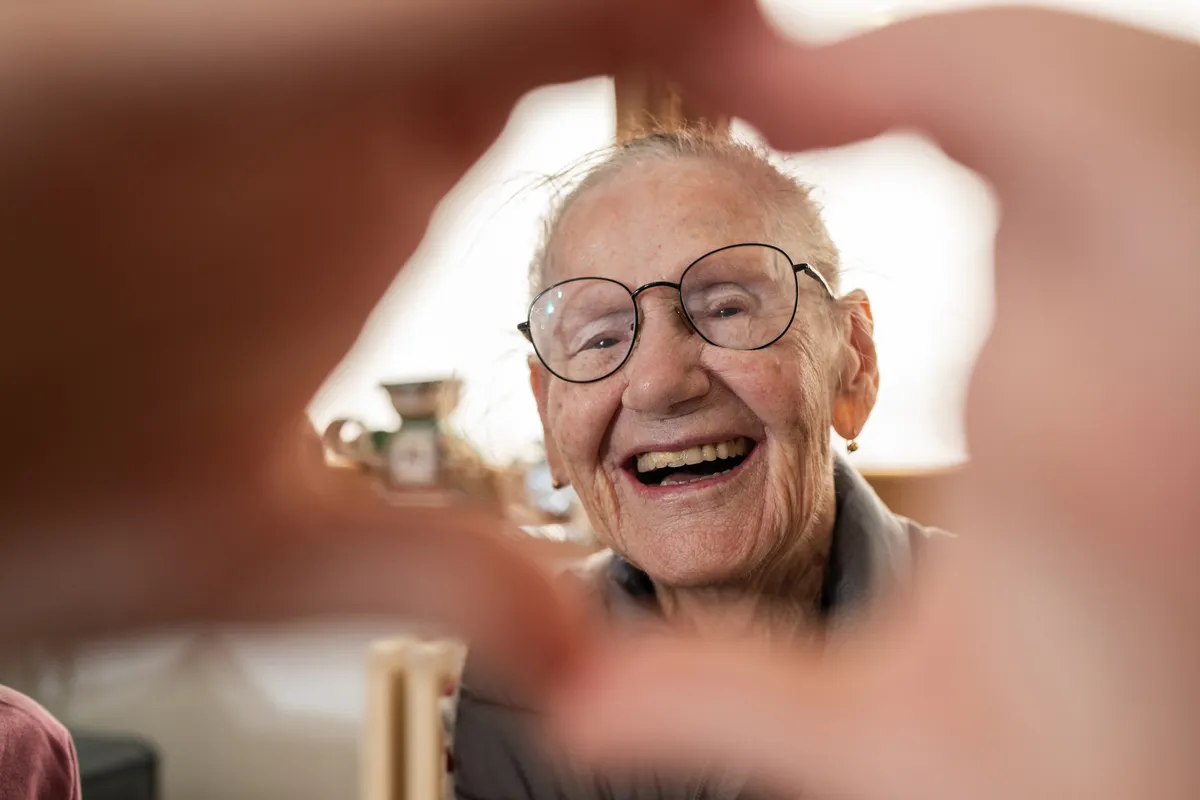
As our loved ones age, ensuring their safety and independence at home becomes a top priority. Thoughtful home adaptations are vital care strategies that not only make daily living easier but also reduce the risk of accidents. This article delves into key home-care modifications designed to keep elderly relatives safe and comfortable, focusing on stairlifts, bathroom safety, and kitchen adaptations.
Understanding the Importance of Home Adaptations
Many elderly individuals prefer to remain in their homes as they age, cherishing familiar surroundings and routines. According to research by Ageing Better, home adaptations play a crucial role in enabling older adults to live independently by addressing mobility issues and minimizing hazards. Adaptations can range from simple grab rails to advanced mobility equipment.
Stairlifts: Facilitating Mobility and Independence
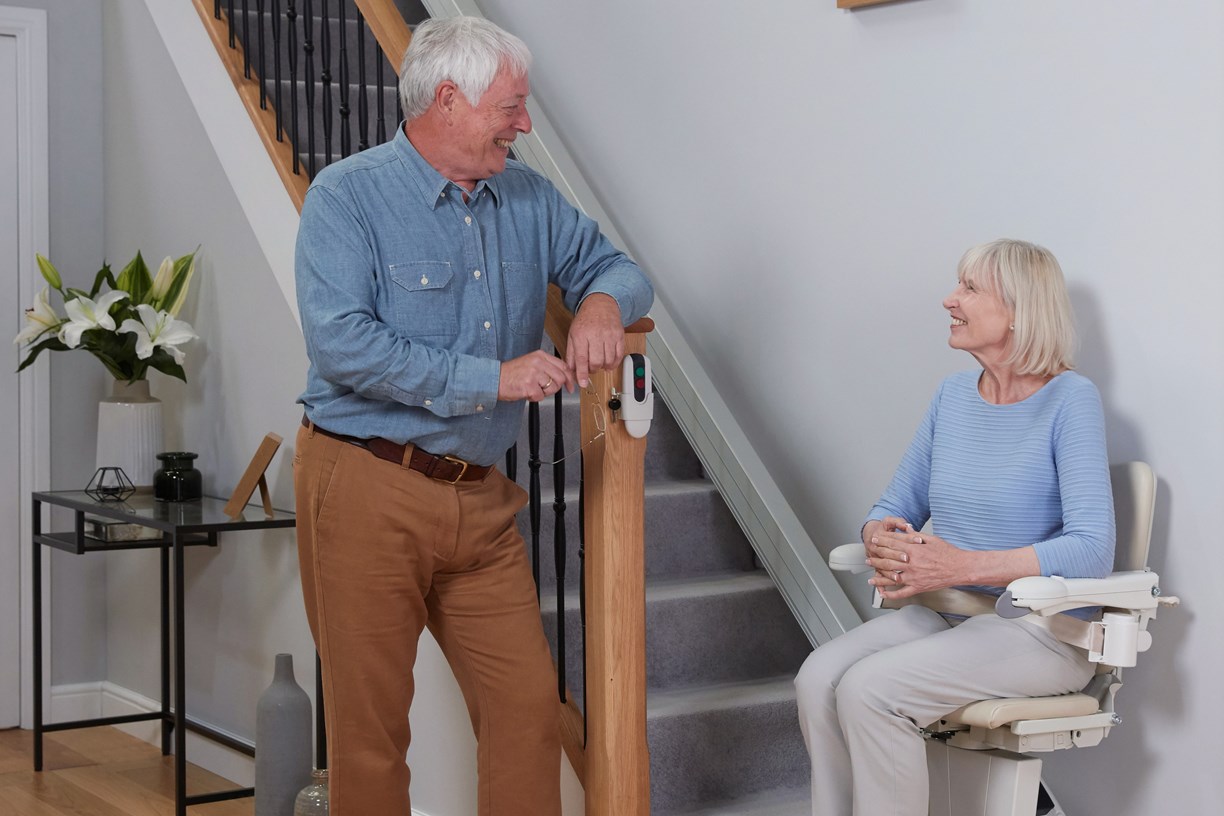
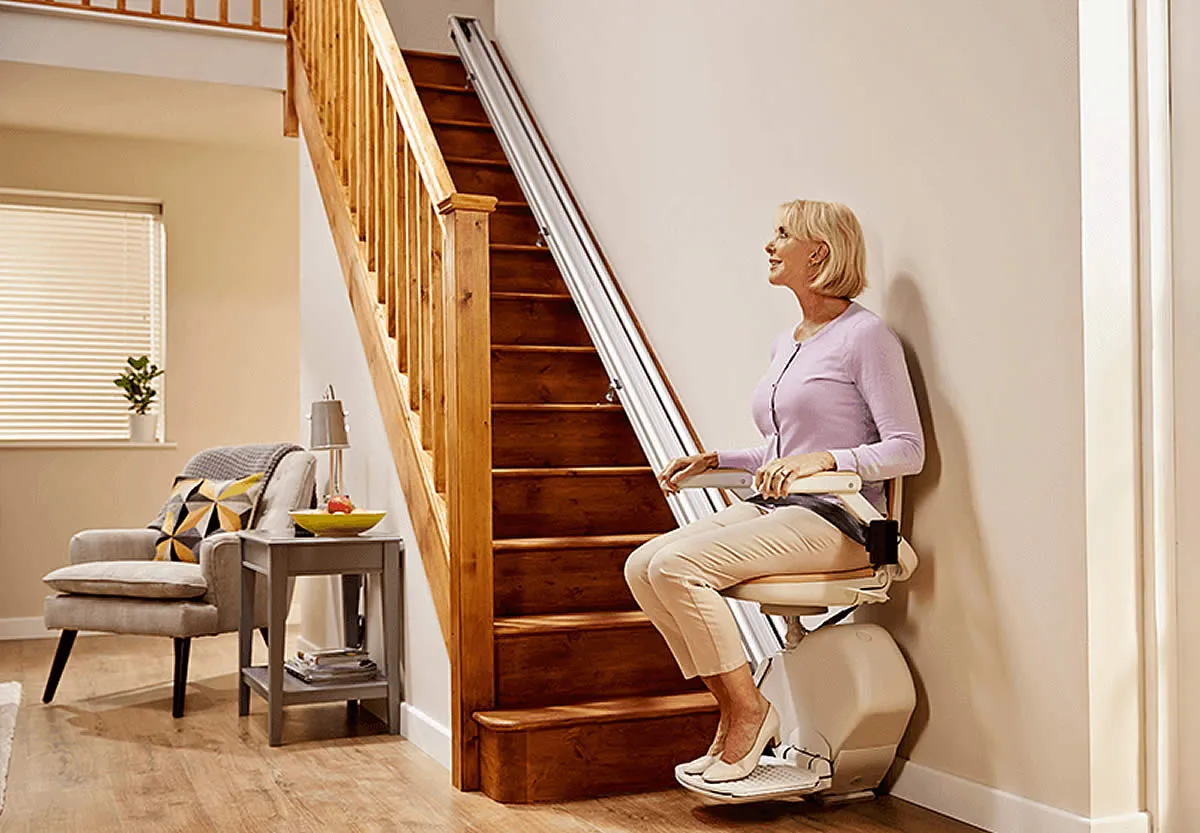
Stairs often pose a significant challenge and hazard for elderly family members. Installing a stairlift can be transformative, restoring easy access between floors and greatly reducing fall risk. Companies like Aspire Stairlifts Ltd specialise in tailored stairlift solutions, providing both straight and curved options to fit various home layouts. Their expertise ensures safe, smooth operation that fosters confidence and autonomy.
Similarly, Essington Mobility Cannock offers a broad selection of stairlifts alongside other mobility aids, serving the community with experienced advice and equipment. Their presence in locations like Leamore and Cannock means personalised service is available locally for families seeking dependable support.
Bathroom Safety: Combating a Common Risk Area
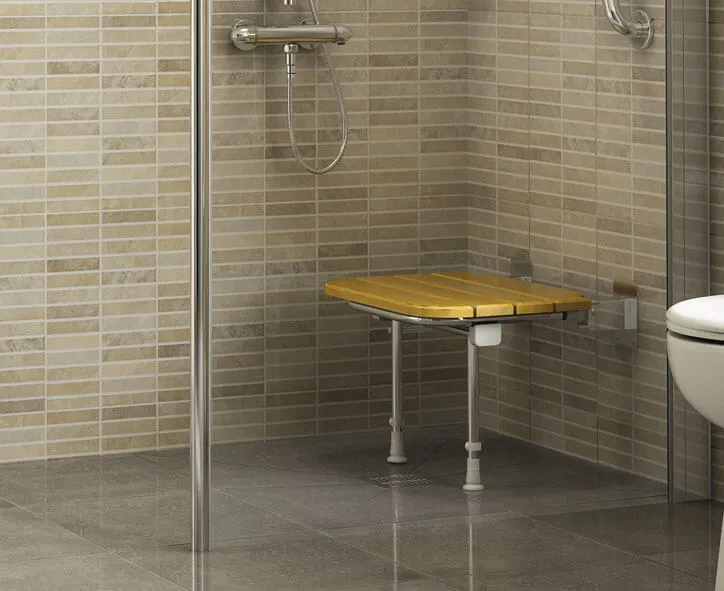
Bathrooms are another area that demand special attention to prevent slips and injuries. Installing grab rails near toilets and showers, non-slip flooring, and walk-in baths or shower seats can significantly enhance safety. Age UK Trading provides a comprehensive range of bathroom solutions that combine safety with comfort, helping elders enjoy the dignity of bathing without fear.
Kitchen Adaptations: Maintaining Daily Independence
The kitchen is integral to daily living but can be challenging due to reach or mobility limitations. Adjustments such as lowering work surfaces, anti-scald taps, and easy-to-use appliances can prevent accidents and empower elderly individuals to continue preparing meals safely. Incorporating mobility aids recommended by specialists like Essington Mobility ensures kitchens remain functional and secure.
Planning Home Adaptations: Expert Guidance Matters
Choosing the right adaptations involves assessing individual needs, home layout, and lifestyle. Consulting with experts at agencies such as Age UK Trading, Aspire Stairlifts Ltd, or Essington Mobility provides invaluable insights into suitable equipment and installation. They also recommend adjustments that align with long-term care goals, promoting comfort and independence.
Conclusion
Implementing well-considered home-care adaptations is essential to safeguarding elderly relatives while supporting their independence. Stairlifts, bathroom safety improvements, and kitchen modifications are pivotal interventions that can transform daily living. By engaging trusted providers and prioritising tailored solutions, families can navigate the care journey with confidence, ensuring their loved ones remain safe and at home where they feel most comfortable.