.png)

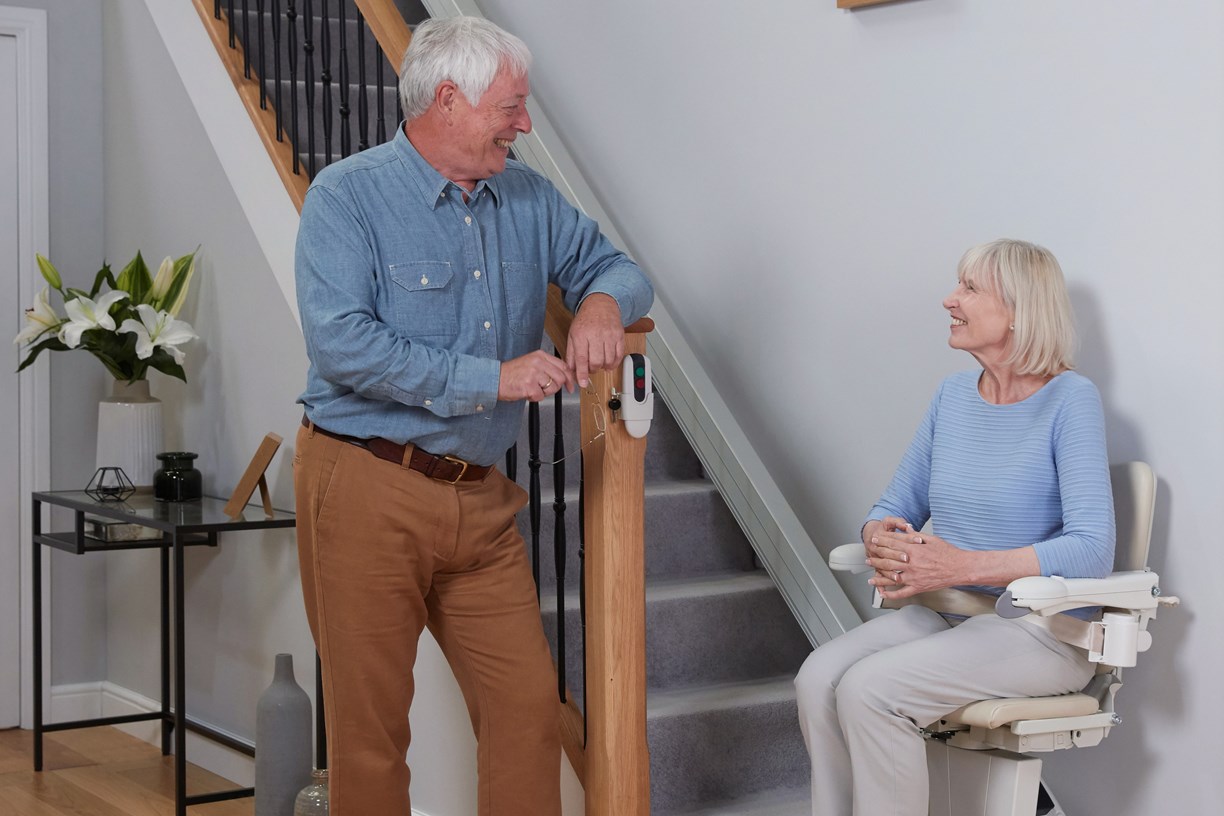
Ensuring safety and accessibility for elderly family members or individuals with mobility challenges is a key aspect of home care. Stairlifts offer an invaluable solution, allowing users to navigate stairs comfortably and independently. But a common concern among users and caregivers alike is: what happens to stairlifts during a power cut? This article explains how stairlifts function during outages, their safety features, and how home adaptations can create a safer environment.
Battery Backup and Operation During Power Cuts Modern stairlifts, including those provided by trusted companies such as Aspire Stairlifts Ltd and Yorkshire Stairlifts Limited, are designed with safety and reliability in mind. They are typically powered by mains electricity but are equipped with rechargeable batteries that activate during a power outage.
When the power goes out, the stairlift automatically switches to battery power, enabling continued operation for several trips up and down the stairs. Generally, these batteries require recharging once mains power resumes, ensuring readiness for future outages. This feature means users are not stranded mid-staircase nor at the top or bottom of their stairs during a blackout.
Safety Features and User Confidence Stairlifts are engineered for secure and controlled movement. They operate at a safe speed, usually between 0.04 and 0.06 meters per second, allowing users to ascend or descend smoothly without sudden starts or stops. Additionally, most stairlifts incorporate a built-in seatbelt system, providing essential restraint to prevent falls or slips during transit.
Other safety mechanisms include obstruction sensors that halt the stairlift if an object blocks its path, preventing accidents. These combined features foster peace of mind for both users and their caregivers.
Complementary Home Safety Modifications The functionality of a stairlift is maximized when integrated with comprehensive home safety adaptations. As outlined in the "Guide 2: Safety in the Home," certain environmental adjustments can significantly reduce risk and enhance independence:
-
Grab Bars and Lighting: Installing grab bars near landings and ensuring well-illuminated staircases with motion-sensor lights support stable movements before and after using the stairlift.
-
Clear Walkways and Secure Floors: Removing clutter from stair landings and hallways, securing loose rugs with non-slip underlays, and neatly managing electrical cords mitigate trip hazards.
-
Regular Safety Checks: Routinely testing smoke and carbon monoxide detectors, as well as maintaining the stairlift’s battery and mechanical components, contribute to overall home safety.
Accessing Professional Assessments and Support For those considering stairlift installation or concerned about safety during power interruptions, consulting an occupational therapist or a specialist from reputable providers like Age UK Trading can offer tailored advice and assessments. Many providers also help coordinate funding options such as Disabled Facilities Grants to subsidize home adaptations.
Conclusion In response to the key query, what happens to stairlifts in a power cut, these devices are thoughtfully engineered with battery backup systems ensuring continued operation throughout outages. Combined with safety features like seatbelts and obstruction sensors, stairlifts maintain user security and independence.
By pairing stairlifts with comprehensive home safety modifications and professional guidance, families can create a safer home environment that supports mobility and peace of mind. Whether engaging with Aspire Stairlifts Ltd, Yorkshire Stairlifts Limited, or Age UK Trading, users benefit from solutions grounded in expertise, reliability, and a commitment to "Navigating the Care Journey" confidently and safely.
Disclaimer: This article is provided for general information only and should not be considered medical, financial or professional advice. Stairlift suitability, costs, funding options and product specifications may vary depending on individual circumstances and the supplier. While Care Means aims to keep information accurate and up to date, we recommend seeking independent advice and obtaining quotes from reputable providers before making a purchasing decision.