.png)
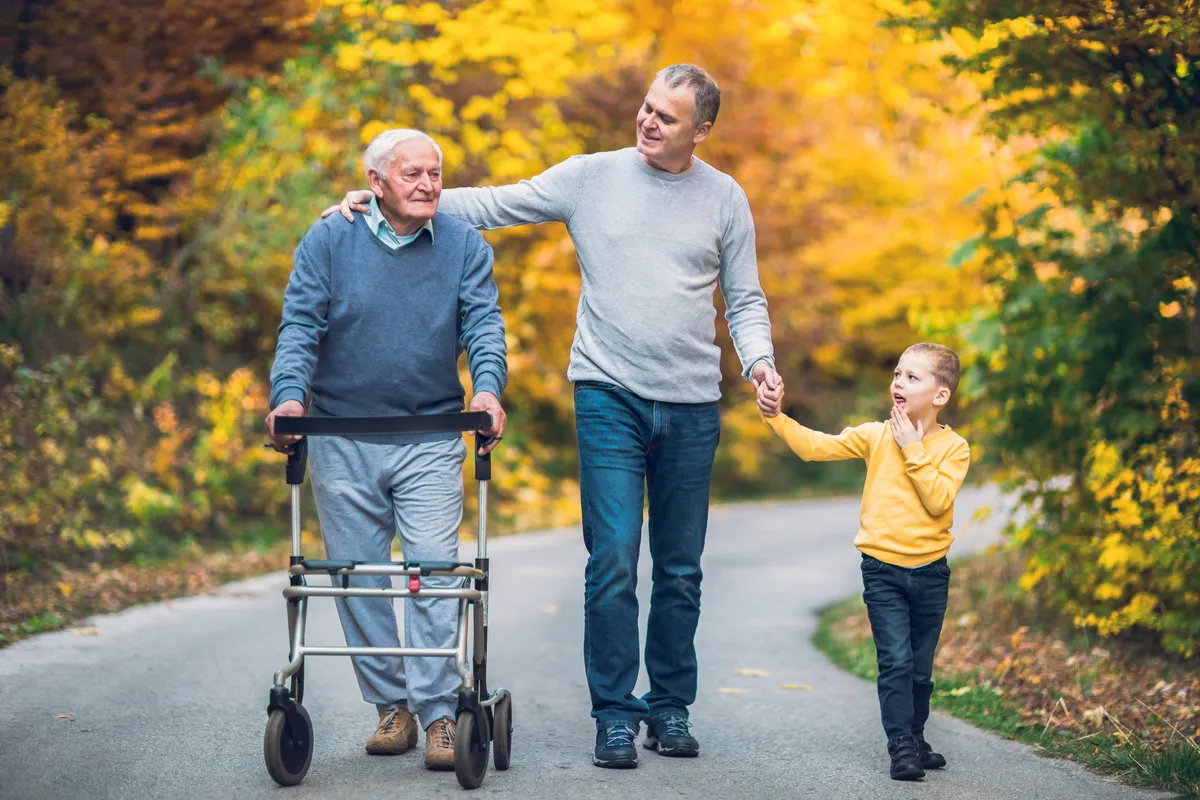
As adults age, maintaining mobility becomes a cornerstone of preserving independence and quality of life. For families navigating the care journey, understanding why maintaining mobility is critical helps in making informed decisions about home care and mobility aids. Far from signaling dependence, these tools empower older adults to remain active, engaged, and safe within their homes and communities.
How Mobility Aids Foster Independence
Mobility aids such as walkers, rollators, and scooters are often considered last resorts. However, they can be transformative in enabling elderly individuals to manage daily activities independently. With the right equipment tailored to their needs, seniors can continue:
- Shopping independently at local stores
- Enjoying regular walks in the neighborhood
- Visiting friends and family without assistance
- Navigating safely around their homes
- Attending medical appointments confidently
- Participating in hobbies and social gatherings
Providers like Clearwell Mobility offer a wide range of expert-advised products designed to support these goals, ensuring users find solutions that suit their lifestyle and home environment.
Mobility Scooters: Regaining Freedom Outside the Home
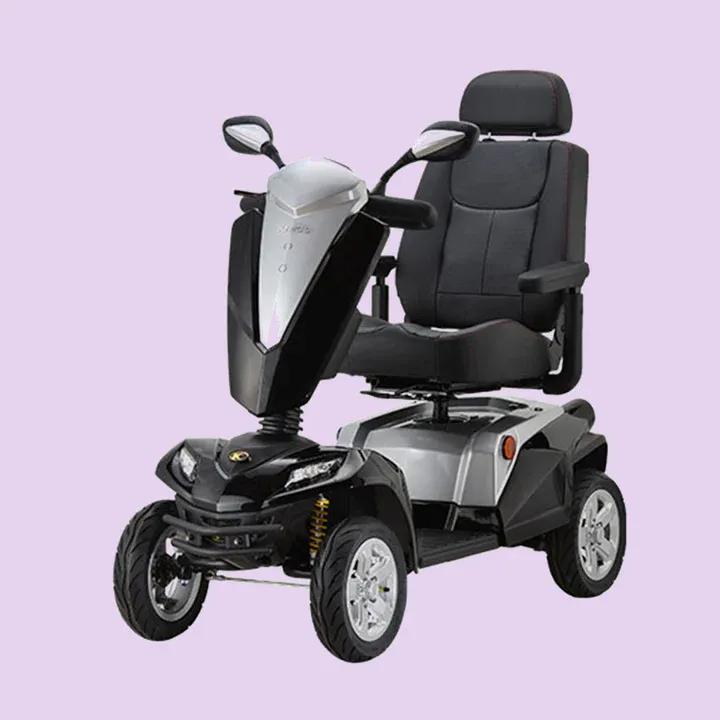
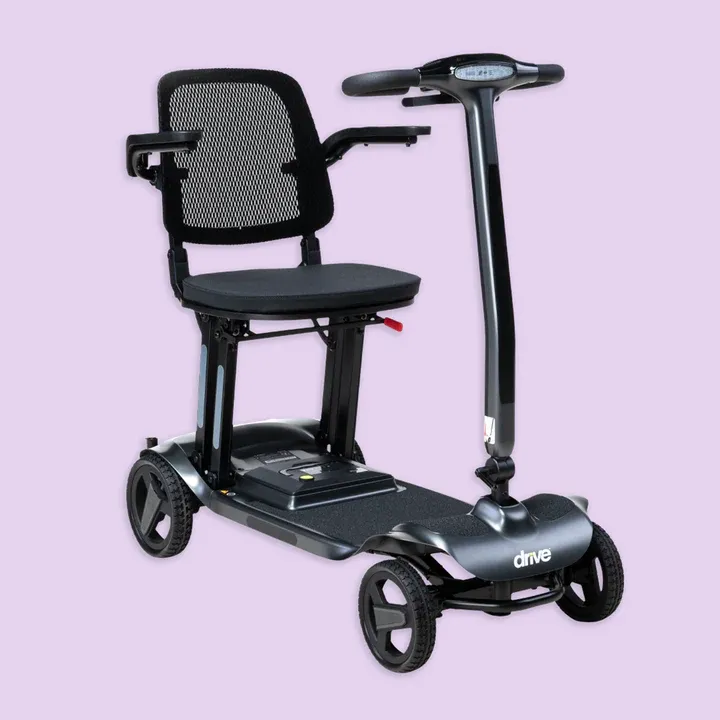
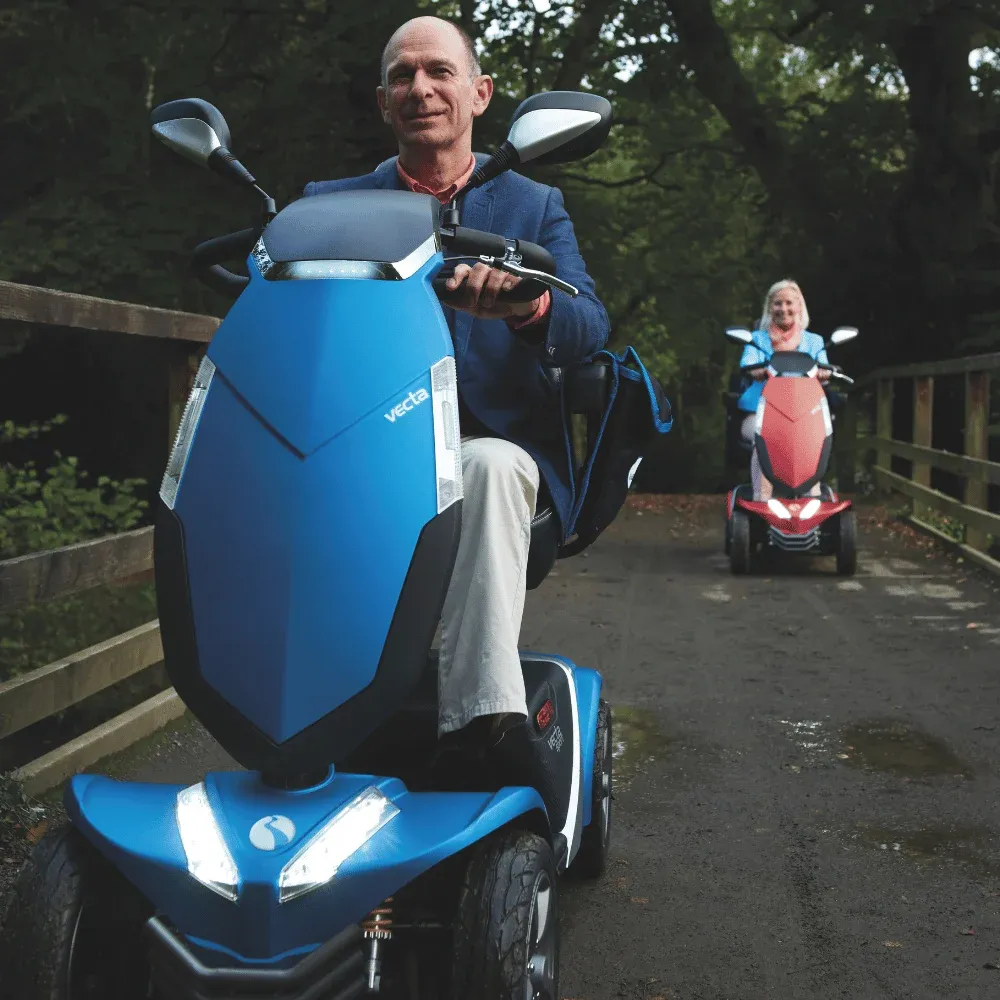
For those who find walking longer distances challenging, mobility scooters can be life-changing. Many older adults reduce outings due to concerns about fatigue or the risk of falling, which can lead to social isolation and reduced mental well-being. Mobility scooters open doors to:
- Visiting local cafes and shops
- Engaging with community events and groups
- Exploring parks and outdoor spaces safely
- Maintaining everyday routines that enhance autonomy
Seacroft Mobility Ltd specializes in scooters and other aids that help users regain confidence and sustain social connections, transforming mobility aids from symbols of dependence into enablers of freedom.
Reducing Fall Risks with Home Care Equipment
Falls are a leading cause of injury among the elderly, but the risk can be substantially lowered with appropriate home-care adaptations and aids. Essential equipment includes:
- Grab rails and handrails
- Walking sticks and rollators
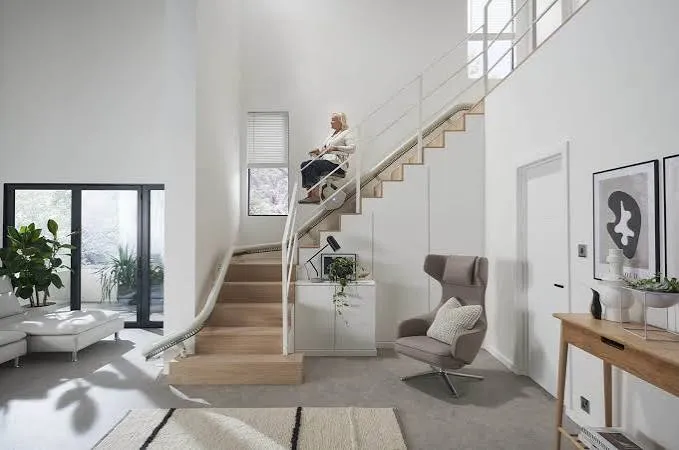
- Stairlifts (both straight and curved)
- Bathing aids
Essington Mobility Cannock, with two local outlets, offers both new and used equipment that can be customized to individuals’ homes, improving safety and peace of mind for both users and caregivers.
Delaying the Need for Intensive Care
Simple adaptations and mobility devices don't just improve daily life,they can postpone the need for more intensive home care arrangements. By maintaining mobility and safety, older adults are able to stay in their homes longer, reducing the demand for:
- Regular home care visits
- Live-in care
- Residential care admissions
This delay not only benefits individuals emotionally and physically but also eases pressures on families and healthcare systems.
Supporting Physical and Mental Well-being
Active mobility is directly linked to improved mental health and social engagement among the elderly. Mobility aids help older adults to:
- Stay physically active, which benefits overall health
- Maintain social relationships and reduce loneliness
- Feel empowered and confident in their movements
- Continue enjoying preferred activities and routines
Studies from Age UK highlight significant loneliness among older adults,about 7% experience chronic loneliness, and 3% may go a week without contact with loved ones. Mobility aids are vital tools in combating this isolation.
Care Means Empowering Mobility
Navigating the care journey involves more than just safety; it’s about helping elderly relatives live life on their own terms. Whether it’s a stairlift, mobility scooter, or simple grab rail, the right mobility support at the right time fosters independence, dignity, and connection.
Clearwell Mobility, Seacroft Mobility, and Essington Mobility Cannock each provide trusted products and personalized advice to assist families in selecting optimal mobility aids. By embracing these solutions, you help ensure your loved ones can enjoy a safer, fuller life within the comfort of their homes and beyond.