.png)

Falls on stairs are a leading cause of injuries among older adults in the UK, underscoring the importance of home safety modifications as part of a comprehensive care plan. According to NHS statistics, falls among those aged 65 and over contribute significantly to hospital admissions, with stairs posing a particularly hazardous challenge. For adults between 45 and 70 caring for ageing parents and seniors aged 70 and 90, stairlifts offer a vital solution to maintain independence while enhancing home safety and comfort.
Understanding the Safety Benefits of Stairlifts
The home environment, while familiar, contains risk areas that can increase fall potential, particularly stairways. Stairs require balance, strength, and mobility, and as these faculties decline with age or health conditions, the likelihood of falls increases substantially. Installing a stairlift addresses these risks by providing a secure, effortless means to navigate stairs safely, dramatically reducing the risk of falls, a common cause of injury among the elderly.
Enhancing Comfort and Independence at Home
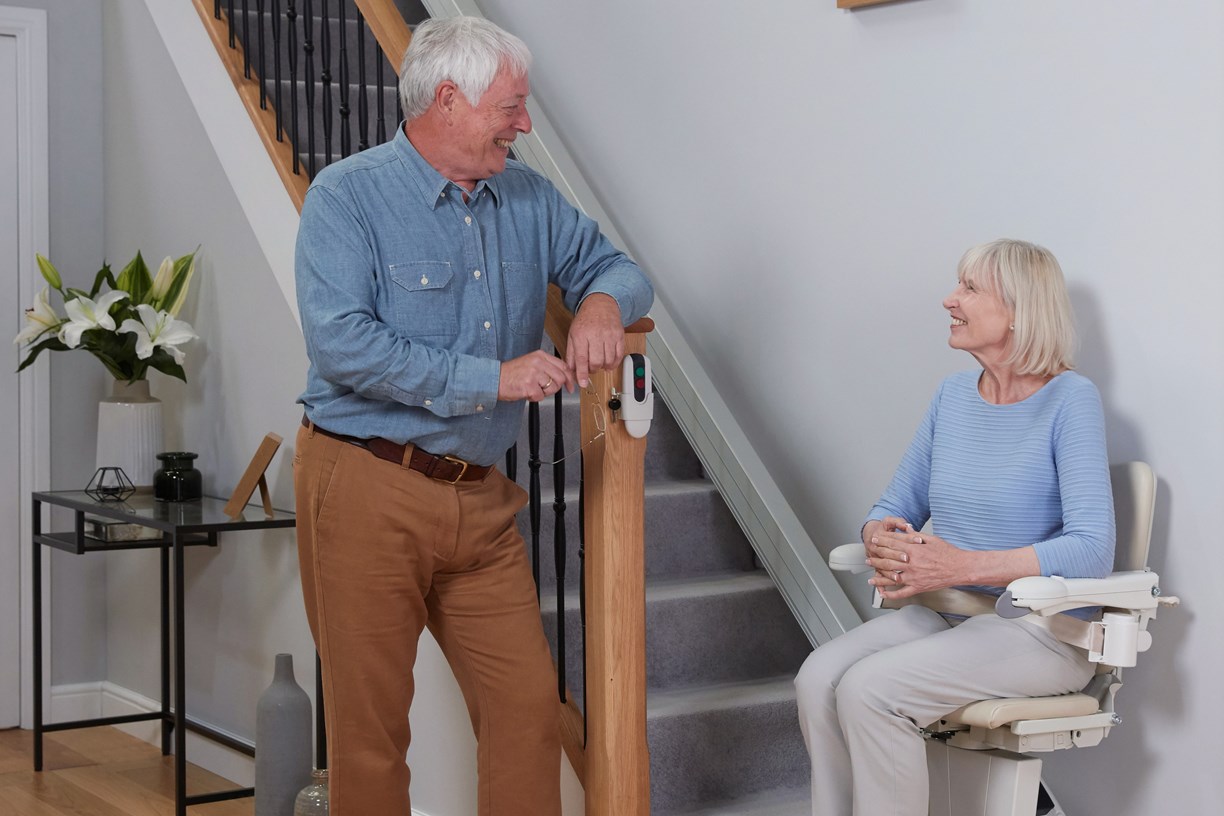
Stairlifts not only protect against accidents but also support day-to-day living by making multi-storey homes accessible without reliance on others. For many older adults, maintaining independence is paramount to emotional well-being. Stairlifts from trusted providers such as Aspire Stairlifts Ltd, Chapter Stairlifts, and Midland Stairlifts come with guarantees, servicing, and warranties, ensuring reliable long-term use and peace of mind.
Addressing Common Objections
Cost: Some worry about the expense of stairlift installation. However, when comparing the average cost of residential care, which can exceed £1500 per week in the UK, maintaining independence at home with a stairlift is often far more affordable over time.
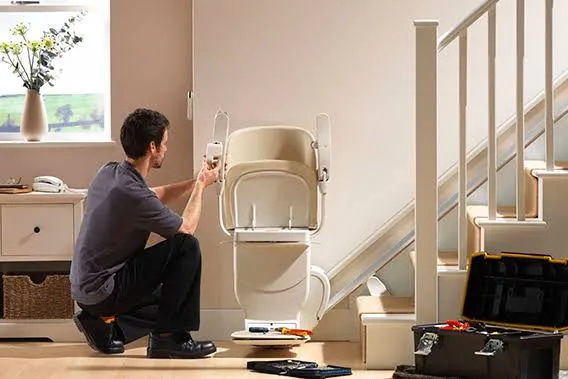
Installation Disruption: Modern stairlifts are designed for quick and minimally disruptive installation. Family-run companies like Chapter Stairlifts and Midland Stairlifts prioritise customer comfort throughout the process.
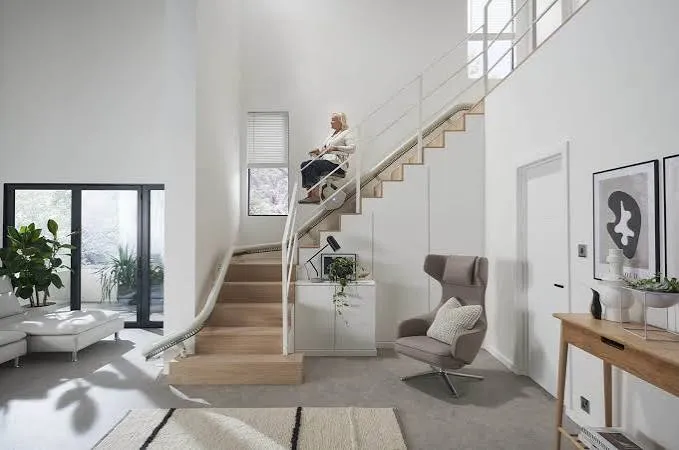
Aesthetic Concerns: Advances in stairlift design mean units blend effectively with home décor, offering sleek and unobtrusive options.
Funding and Support
Multiple funding avenues can alleviate financial barriers:
-
Disabled Facilities Grant (DFG): UK government grants are available to cover necessary home adaptations, including stairlifts, with eligibility based on income and circumstances (up to £30,000 in England).
-
Occupational Therapist Assessments: NHS or local councils can arrange assessments that recommend appropriate modifications and access funding support.
-
Local Authority Care Assessments: May provide additional funding or services tailored to individual needs.
Engaging with local adult social care teams grants families access to guidance and resources to make home safety improvements manageable and affordable.
Choosing the Right Stairlift Provider
Selecting a reliable provider is key to ensuring safety and comfort. Aspire Stairlifts Ltd emphasises freedom and confidence; Chapter Stairlifts offers quality guarantees and family-run trust; Midland Stairlifts boasts over 30 years of experience delivering compassionate care solutions. Each provider can assess your home's stair configuration, mobility needs, and preferences to recommend an ideal stairlift tailored for your unique situation.
Conclusion
Stairlifts play a crucial role in safeguarding elderly individuals at home, mitigating the significant risks posed by stairs, and supporting sustained independence and quality of life. When combined with other home safety modifications like grab bars and adequate lighting, as highlighted in the Care Means guide on home safety, they create an environment where ageing in place is safe, comfortable, and dignified. For families navigating the care journey, investing in a stairlift is a proactive step that can ease worries, enhance well-being, and support life at home for years to come.