.png)

As adults age, maintaining independence at home becomes a key priority. Navigating the care journey often involves assessing home adaptations that can support mobility safely. Stairlifts have emerged as a practical solution for many, but misconceptions still persist among potential users and their families. This article examines the pros and cons of installing a stairlift in your home, with particular attention to the evolving technology and financial considerations.
Understanding the Benefits of Stairlift Installation
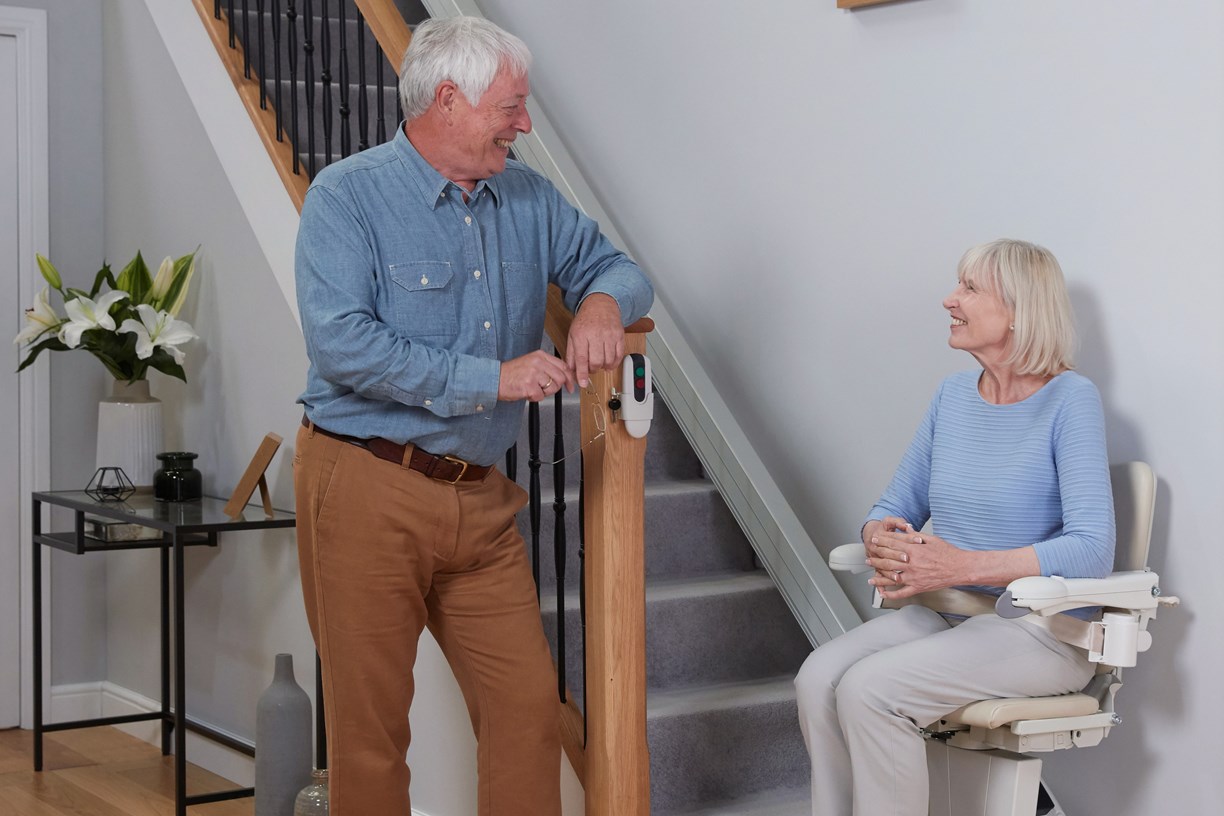
One of the most significant advantages of installing a stairlift is the ability to stay in a familiar home environment. Moving to a bungalow or a residential care home is not always a feasible or desirable option, especially when supply is limited or costs for single-level homes are inflated due to demand. Today’s stairlifts from trusted providers like Aspire Stairlifts Ltd and Yorkshire Stairlifts Limited offer sleek designs that integrate harmoniously with your home décor, far from the bulky models of the past.
Stairlifts empower elderly individuals and those with mobility challenges to independently navigate between floors, reducing the risk of falls, an essential safety consideration in home care. Additionally, they help preserve social connections and hobbies by keeping individuals in their established community networks. The emotional and psychological benefits of aging in place can be profound.
From a financial perspective, investing in a stairlift can yield cost savings by deferring or avoiding expensive moves to care facilities. Compared to residential care fees or purchasing a different property, stairlifts are an economical way to enhance accessibility.
Debunking Common Stairlift Myths
There are several myths surrounding stairlift installs that can deter people from exploring this option. Let’s address some key concerns:
-
Too Bulky or Unsightly: Modern stairlifts are designed to be compact and stylish. Companies like Essington Mobility provide solutions tailored to various home styles, ensuring the device complements your living space.
-
Risk of Breakdown: Reliable stairlift providers offer maintenance and warranties. Yorkshire Stairlifts Limited, for example, emphasizes ongoing support to guarantee safety and peace of mind.
-
Will Lower House Value: Far from devaluing property, thoughtful accessibility modifications can make a home more attractive to buyers who anticipate aging in place or have mobility needs.
-
Too Expensive: Although upfront costs exist, flexibility through options such as renting versus buying can ease financial pressure.
Renting Versus Buying: Making the Right Choice
When considering a stairlift, you may wonder whether to buy or rent. Buying is often recommended if permanence in the home is expected, providing long-term cost efficiency and ownership benefits. Aspire Stairlifts Ltd offers purchasing options with professional installation and warranties.
Renting, however, can offer short-term solutions or trial periods before committing. It is ideal for temporary needs or uncertain plans. Some providers allow rental agreements inclusive of maintenance, an appealing option for those wanting to avoid large initial expenses.
Final Thoughts
The decision to install a stairlift is a significant one on the home-care journey, blending practical mobility solutions with emotional and social considerations. Advances in stairlift technology and service models continue to make this option more accessible and appealing for adults aged 45 to 90, whether for aging parents or for oneself. By dispelling myths and focusing on tailored solutions from trusted providers like Aspire Stairlifts Ltd, Age UK Trading, and Yorkshire Stairlifts Limited, individuals can confidently enhance their quality of life and independence.
For those facing mobility challenges, a stairlift can be more than a device; it can be a key to staying connected, safe, and self-sufficient in the home they cherish.