.png)

Dementia is a progressive condition affecting memory, thinking, and behaviour, and it often begins subtly, making early detection vital for timely intervention. For adults aged 45-70 with ageing parents, or older individuals themselves, recognising the early signs of dementia can help maintain quality of life and enable appropriate care support to be arranged, preserving independence for as long as possible.
What Are the Early Signs of Dementia?
Early symptoms can vary but commonly include:
- Memory lapses: Forgetting recent conversations, appointments, or repeating questions.
- Disorientation: Getting lost in familiar places or confusion about dates and time.
- Difficulty with routine tasks: Struggling to manage cooking, finances, or medication.
- Language and communication challenges: Trouble finding the right words or following conversations.
- Changes in mood or personality: Increased anxiety, depression, or withdrawal.
If these signs appear and begin to affect daily functioning, it is important to speak with a healthcare professional for a thorough assessment.
When Should You Be Concerned?
While occasional forgetfulness can be normal, consistent patterns of memory problems or safety concerns at home signal the need for attention. For example, if your elderly relative:
- Is prone to falls or accidents, especially in high-risk areas like bathrooms or stairs.
- Has difficulty managing basic self-care without supervision.
- Shows increased confusion, even in familiar surroundings.
This is the right time to consider additional support and home safety measures.
Home Safety and Adaptations to Support Dementia Care
Safety modifications are crucial to reducing risks and promoting independence, particularly in home environments where most incidents take place. According to guidance from Care Means’ safety resources, key adjustments include:
- Bathroom adaptations: Installing professionally fitted grab bars near the shower, toilet, and bath; using non-slip mats with suction pads; and considering walk-in baths or shower seats.
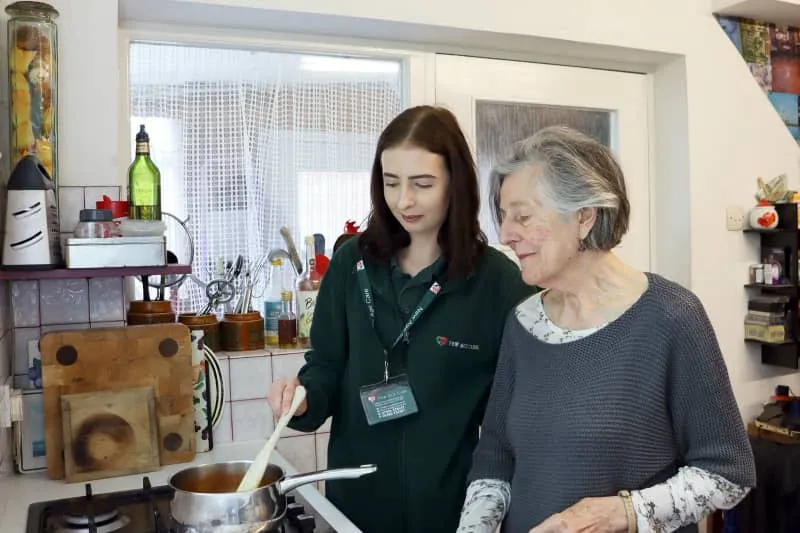
- Kitchen safety: Non-slip mats near sinks and stoves; storing frequently used items within easy reach; and ensuring bright, efficient lighting over work areas.
- Lighting throughout the home: Motion-sensor lights in hallways and stairways, bright LED bulbs, and nightlights for safe nighttime navigation.
- Floor and walkway management: Removing or securing rugs with non-slip underlays; clearing clutter; and securing electrical cords.
- Stair safety: Handrails on both sides, visible edges with contrast strips, or professional installation of stairlifts if mobility is impaired.
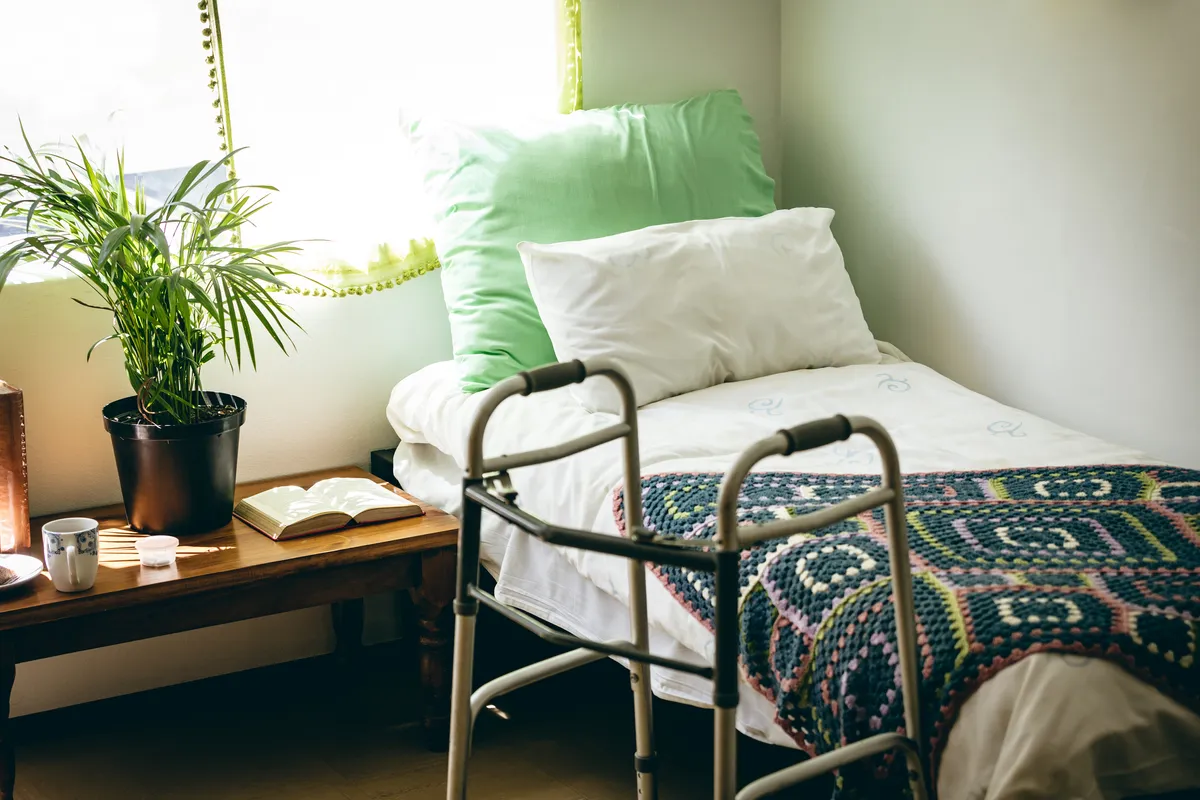
- Bedroom safety: Bed rails if needed, clear and well-lit paths to bathrooms, and a personal alarm within easy reach.
Regular checks on smoke and carbon monoxide detectors, along with consideration of medical alert systems with fall detection, add another layer of safety.
When to Seek Additional Home Care Support
Early involvement of professional home care can provide tailored assistance that matches the individual’s evolving needs. Services such as SureCare Shropshire offer bespoke care packages maintaining comfort and independence by integrating with health professionals for holistic support.
Providers like New Age Care and Novus Care specialise in home care services tailored to older adults, ranging from visiting care and respite to specialist dementia care and end-of-life support. They help families navigate this journey with expert carers trained to deliver compassionate, person-centred care.
Accessing Support and Funding
Many regions offer grants like the Disabled Facilities Grant to assist with essential home adaptations. Occupational Therapists can perform assessments to recommend modifications. Local Adult Social Care teams also provide care needs assessments to help arrange and fund appropriate services.
Understanding the signs of dementia and proactively making the home environment safer can greatly improve outcomes for your loved ones. Partnering with reputable home care providers ensures compassionate, expert support throughout the care journey, giving families peace of mind and elders the dignity to age safely at home.
For more information on living safely with dementia and accessing support, visit the NHS pages on looking after someone with dementia and staying independent with dementia.