
Download our practical guides

Get practical and actionable insights

Let's Connect

CareMeans

Essential Questions for Choosing Dementia Care Homes in Shropshire

Navigating the care journey involves asking the right questions when visiting dementia care homes in Shropshire. Discover the detailed queries to guide your selection process for your loved ones.

Published by Simon Cholmeley | July 1, 2026

Simon Cholmeley | July 1, 2026

Navigating the care journey involves asking the right questions when visiting dementia care homes in Shropshire. Discover the detailed queries to guide your selection process for your loved ones.

Overview

Key Queries to Ask When Visiting Dementia Care Homes in Shropshire

Selecting the right dementia care home is a critical step in ensuring the well-being of ageing loved ones. In Shropshire, families face the challenge of assessing options like Landona House, St Georges Home, and Stretton Hall Care Home, each offering distinct approaches to dementia care. Asking detailed and thoughtful questions during visits will empower you to make an informed decision that aligns with your family’s needs and values.

Understanding Care Quality and Personalised Support

Start your visit by enquiring about the home's approach to personalised dementia care. For example, how does Landona House ensure tailored support for residents with varying stages of dementia? You might ask:

  • How are individual care plans developed and updated?
  • What methods are used to engage residents in meaningful activities that cater to their cognitive abilities?
  • Can you describe the staff training specific to dementia care and communication techniques?

At Stretton Hall, where care emphasises creating meaningful moments daily, question how friendships and interests are nurtured within the community:

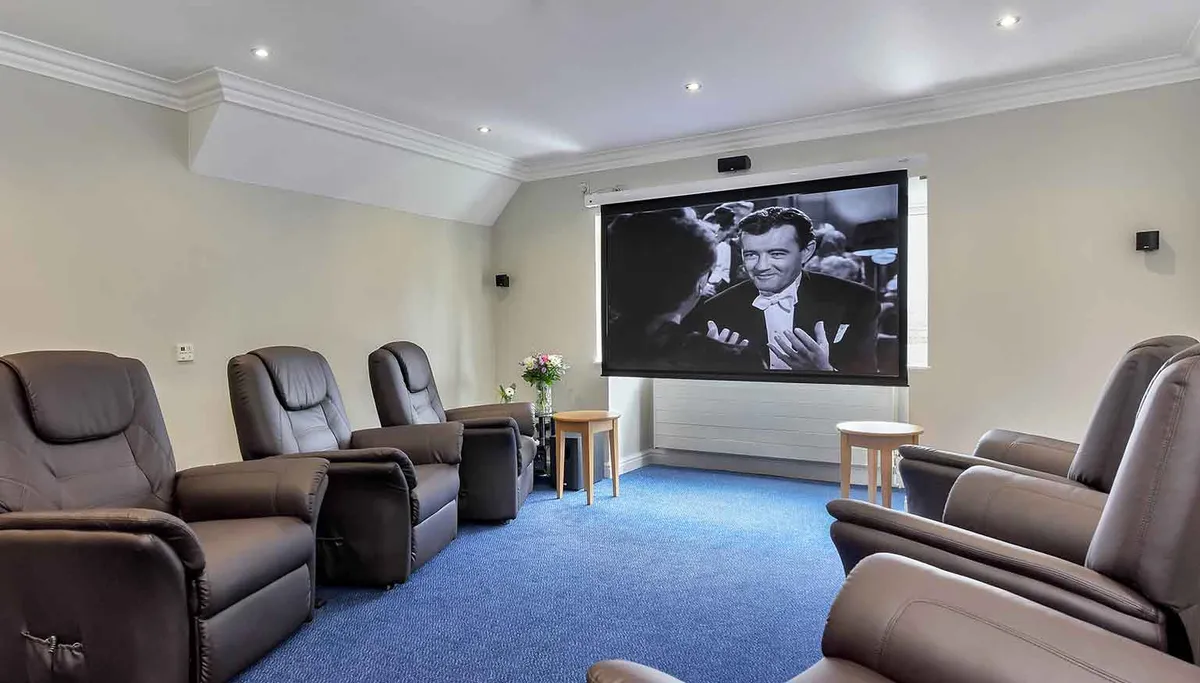
  • What opportunities exist for social interaction and cognitive stimulation?
  • How do staff members monitor changes in residents’ behaviour or health?

Environment and Safety Measures

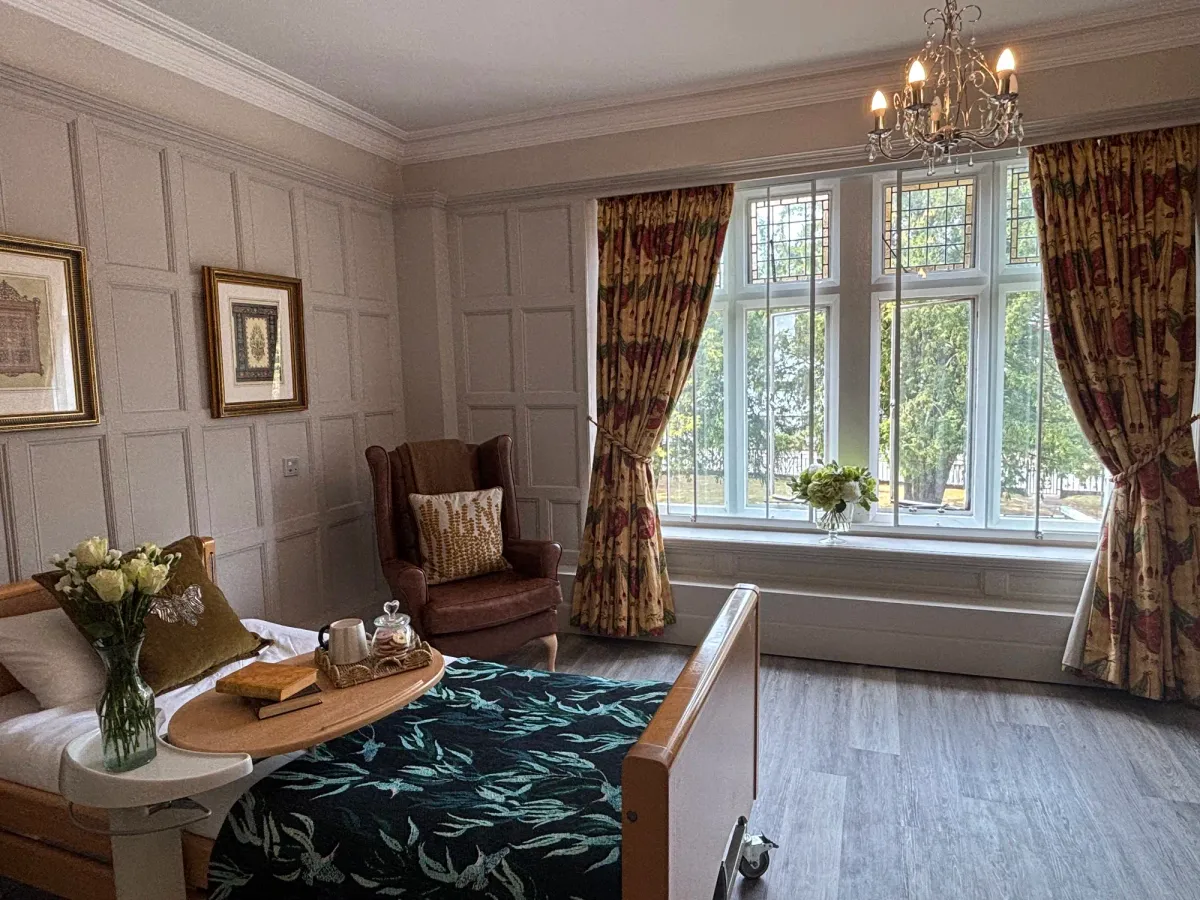
The physical environment significantly impacts dementia care quality. Since Landona House is a converted Grade II-listed building, asking about adaptations for accessibility and safety is important:

  • What modifications have been made to accommodate residents’ mobility and cognitive needs?
  • How does the home prevent wandering or ensure secure areas?

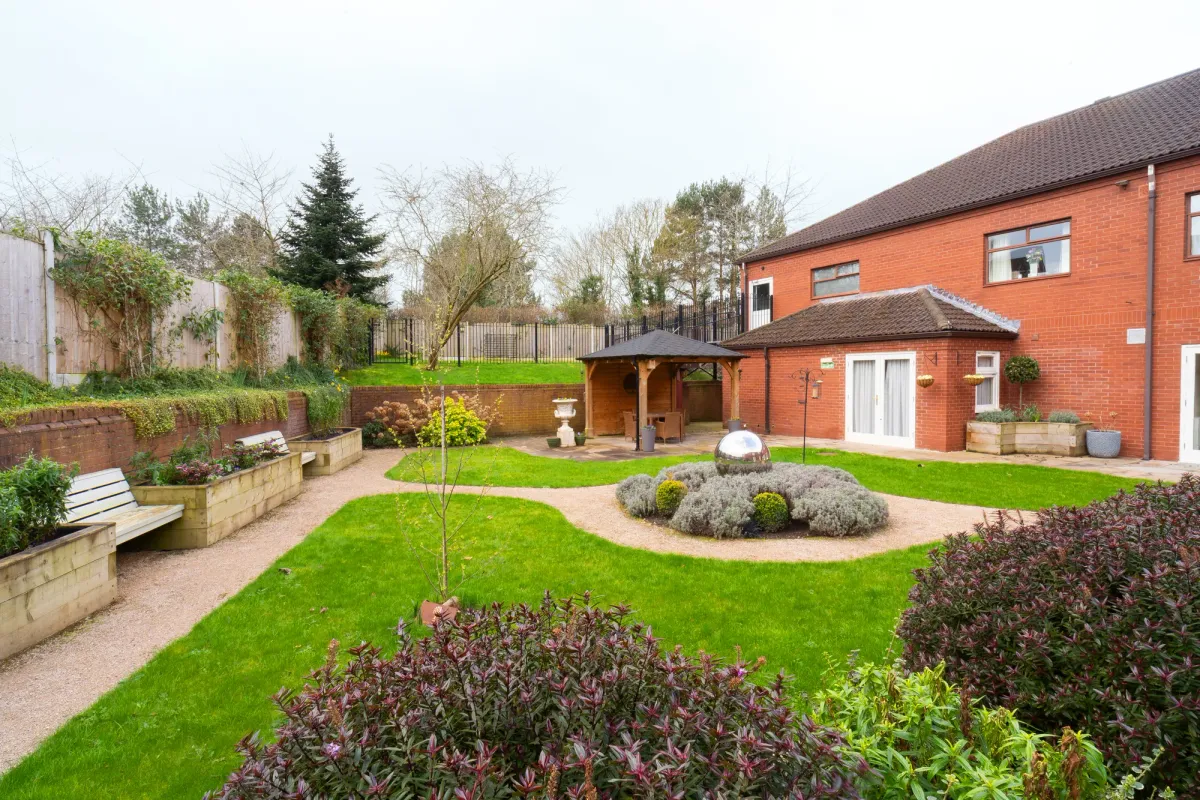
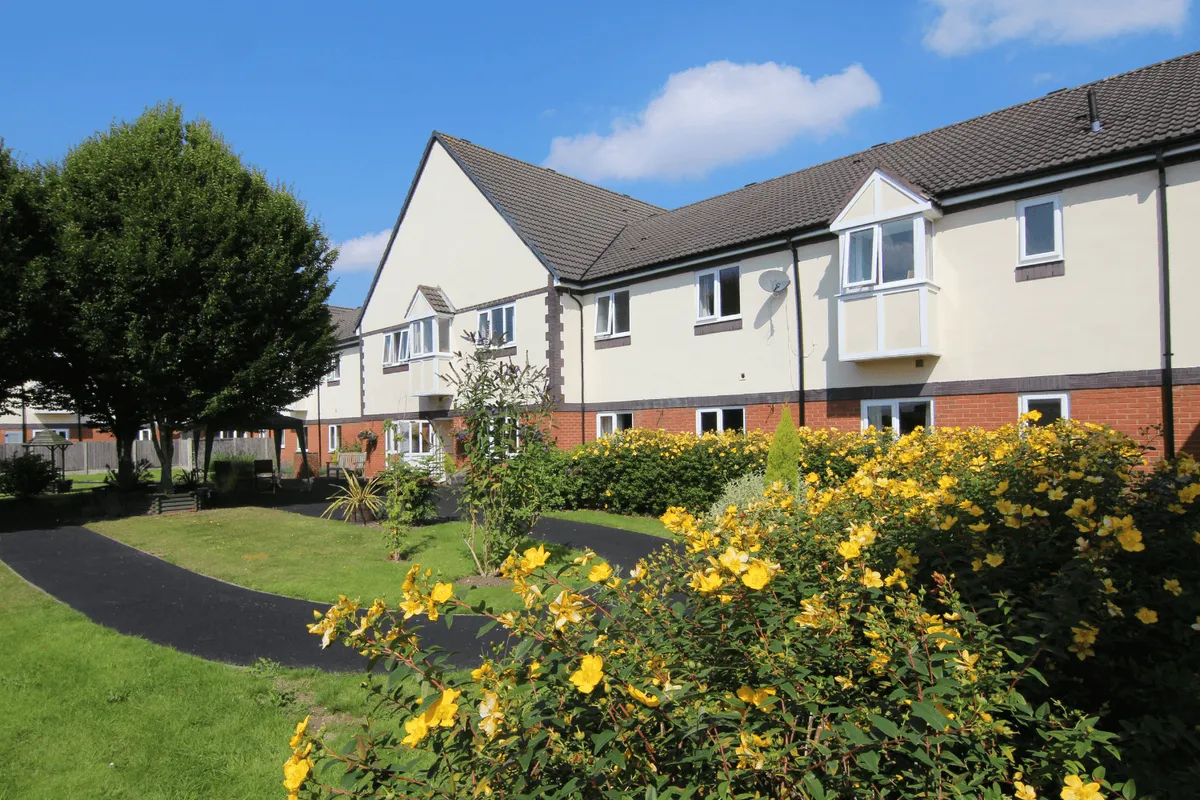
St Georges Home, a key Shropshire care provider, can be assessed with questions about their living spaces and comfort:

  • Are private and communal areas designed to reduce confusion and promote relaxation?
  • What infection control measures are in place to protect vulnerable residents?

Staff Expertise and Responsiveness

Knowing the staff-to-resident ratio and the home’s capacity to handle complex care needs is vital. Specifically, you could ask about:

  • The qualifications and experience of staff members specializing in dementia care.
  • How does Stretton Hall ensure continuity of care and responsive communication with families?
  • What protocols exist for emergency situations or sudden health changes?

Food, Nutrition, and Well-being

Nutrition plays a crucial role in care homes. Since Landona House features home-cooked menus, probe into:

  • How dietary needs and preferences of residents with dementia are accommodated.
  • Are meals prepared to support swallowing difficulties or other health-related restrictions?
  • How are mealtimes structured to encourage social interaction?

Family Involvement and Communication

A collaborative care approach gives families peace of mind. You can inquire:

  • How often can families visit, and what involvement opportunities are offered?
  • Does St Georges Home provide regular updates or care meetings?
  • What channels exist for raising concerns or feedback?

Additional Questions for Consideration

  • What are the costs and what services are included?
  • Are there opportunities for residents to engage with the wider community?

By carefully addressing these questions, you gain clarity on how each dementia care home in Shropshire aligns with your expectations and your loved one’s specific needs. Explore comprehensive guidance on selecting and moving into dementia care homes at the Alzheimer’s Society resource linked below.

For detailed advice, visit Alzheimer’s Society guide to selecting and moving into a new care home.


A guide to help relatives and parents start and navigate early conversations around their future care decisions

Get your care homes guide

A guide to help relatives and parents start and navigate early conversations around their future care decisions

Navigating the care journey involves asking the right questions when visiting dementia care homes in Shropshire. Discover the detailed queries to guide your selection process for your loved ones.
CareMeans logo

CareMeans

Navigating the Care Journey

Navigating the Care Journey.


Don’t Just take our word for it


Get your care homes guide

A guide to help relatives and parents start and navigate early conversations around their future care decisions

A guide to help relatives and parents start and navigate early conversations around their future care decisions
Questions
What is hourly care?

Hourly elderly care is a flexible and personalised service in which caregivers visit homes for a set number of hours per day/week. The service is designed to provide essential support, including cleaning, meals, medication management, and personal hygiene, allowing seniors to remain independent in their own homes. The cost of hourly care can be provided for by social services if this service is deemed necessary following a care assessment. Alternatively, you can use private agencies and carers whom you pay directly. Costs range from £15 to £35, depending on location and provider.

What is the difference between a POA and LPA?

A Lasting Power of Attorney (LPA) and a Power of Attorney (POA) differ primarily in capacity and duration. POA is temporary and used for financial matters while you still have mental capacity. LPA differs from POA in that they remain in place even if you have lost mental capacity. There are 2 separate LPAs, financial and health & wellbeing. LPAs must be registered and are mandatory for future incapacity planning.

What is Nursing care?

Nursing care offers around-the-clock (24-hour) medical and personal support provided by registered nurses and specially trained care assistants for people with complex, chronic or rehabilitative requirements. Nursing care helps manage long-term conditions including assistance with medication management and providing clinical care. Nursing care can be administered in a nursing home or at home. As conditions and needs change, many residents of residential care homes will need to move into a nursing home for more complex care.


Explore more care homes


Choosing the Best Dementia Care Homes in Cheshire: Essential Guidance for Families

Choosing the Best Dementia Care Homes in Cheshire: Essential Guidance for Families

Navigating the Emotional Journey of Dementia Care with Aging Parents

Navigating the Emotional Journey of Dementia Care with Aging Parents

Essential Guide to Choosing the Best Care Homes for Ageing Loved Ones

Essential Guide to Choosing the Best Care Homes for Ageing Loved Ones

Understanding Care Home Costs and Funding: Essential Insights for Families

Understanding Care Home Costs and Funding: Essential Insights for Families

Navigating the Care Journey.