.png)

When it comes to choosing a good care home in Shropshire for an elderly relative, it's a deeply personal and often challenging decision. Ensuring the right blend of safety, comfort, and quality of life means understanding various factors that influence care provision. This article outlines the main areas to focus on so you can confidently navigate your care journey.
Location and Environment
Proximity to family is critical, not just for convenient visits but also because familiar surroundings and community ties greatly enhance well-being. Consider whether the care home is near familiar local amenities or transport links.
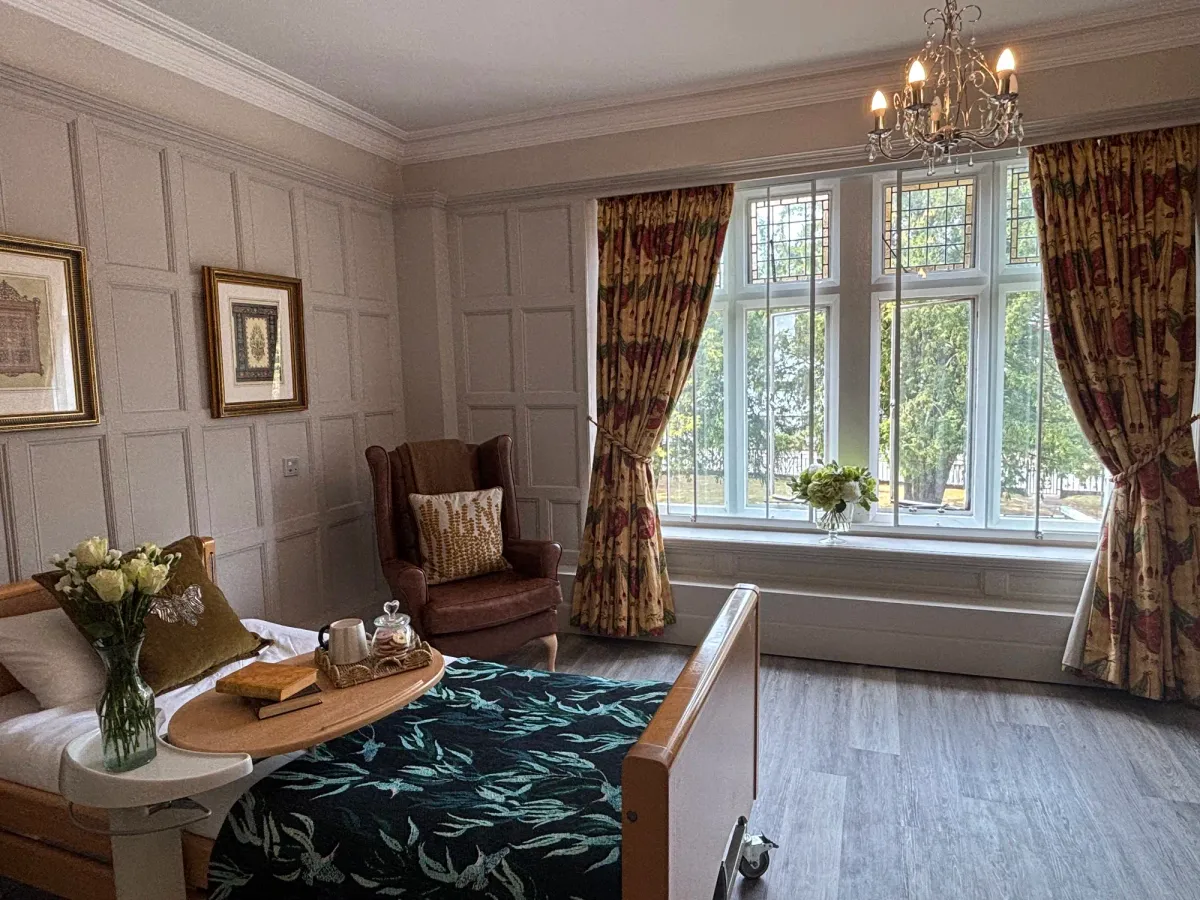
Beautiful surroundings, such as the historic charm of Landona House in Shrewsbury, a converted Grade II-listed building, can provide a homely environment that reduces distress and fosters emotional attachments.
Ratings and Reputation
Always check the Care Quality Commission (CQC) ratings. Landona House, for example, received a “Good” rating across all categories, including infection control (March 2021). Roden Hall’s compassionate care ethos and Stretton Hall’s community focus demonstrate the values that inform quality care homes.
Care Needs and Staff Expertise
Identify specific care requirements, including dementia or mobility challenges. Homes offering specialised dementia support should be considered if the loved one shows cognitive difficulties or behavioural symptoms. Live-in care options may help those who prefer familiar surroundings and one-to-one support; however, for complex or frequent health monitoring, residential care such as that at Roden Hall offers around-the-clock professional care.
Staff-to-resident ratio and staff experience are crucial for personalised attention. Enquire about the training carers receive and how well they know individual residents. Stretton Hall, for example, prides itself on knowing residents well to provide respectful, responsive care.
Lifestyle, Activities, and Social Interaction
Maintaining hobbies like gardening or participation in group activities enriches the quality of life. Ask how the home supports interests and social engagement. Is there room for gardening? Does the home facilitate communal events or visits from friends and family?
Social isolation can be a concern if mobility is limited. Homes that encourage community connections and organised activities can alleviate loneliness.
Size and Privacy
Smaller homes often provide a more intimate feel and might better suit those who value privacy and quieter environments. Larger homes may offer more resources, but sometimes less personalised interactions.
Cost and Financial Considerations
Understanding fees upfront helps to plan sustainably. Is the care home transparent about costs? Does it accommodate funding arrangements or offer respite care options? Homes like Landona House provide various care levels, which can influence pricing.
Essential Questions to Ask When Visiting Care Homes
- What is your current CQC rating, and when was your last inspection?
- How do you support residents with specific conditions like dementia or reduced mobility?
- What is the staff-to-resident ratio during the day and night?
- What qualifications and training do your carers have?
- Can residents continue hobbies such as gardening or attending local community events?
- How do you personalise care plans to individual preferences and needs?
- What security measures and emergency protocols are in place?
- What are your policies on family visits and involvement?
- Are there opportunities for respite or short-term stays?
Balancing Safety and Quality of Life
The most important question remains: "What provides the best quality of life for my loved one?" Balancing safety, independence, dignity, and happiness guides the decision. Combining insights from the Care Means checklist helps families weigh the pros and cons confidently.
Conclusion
Choosing the right care home in Shropshire involves a thorough evaluation of location, care quality, available activities, staff expertise, and cost. Whether considering Landona House’s homely atmosphere, Roden Hall’s nursing care, or Stretton Hall’s community spirit, your decision should centre on what best meets your loved one’s wellbeing and preferences. For more guidance on navigating your care journey, visit Care Means for resources and further information